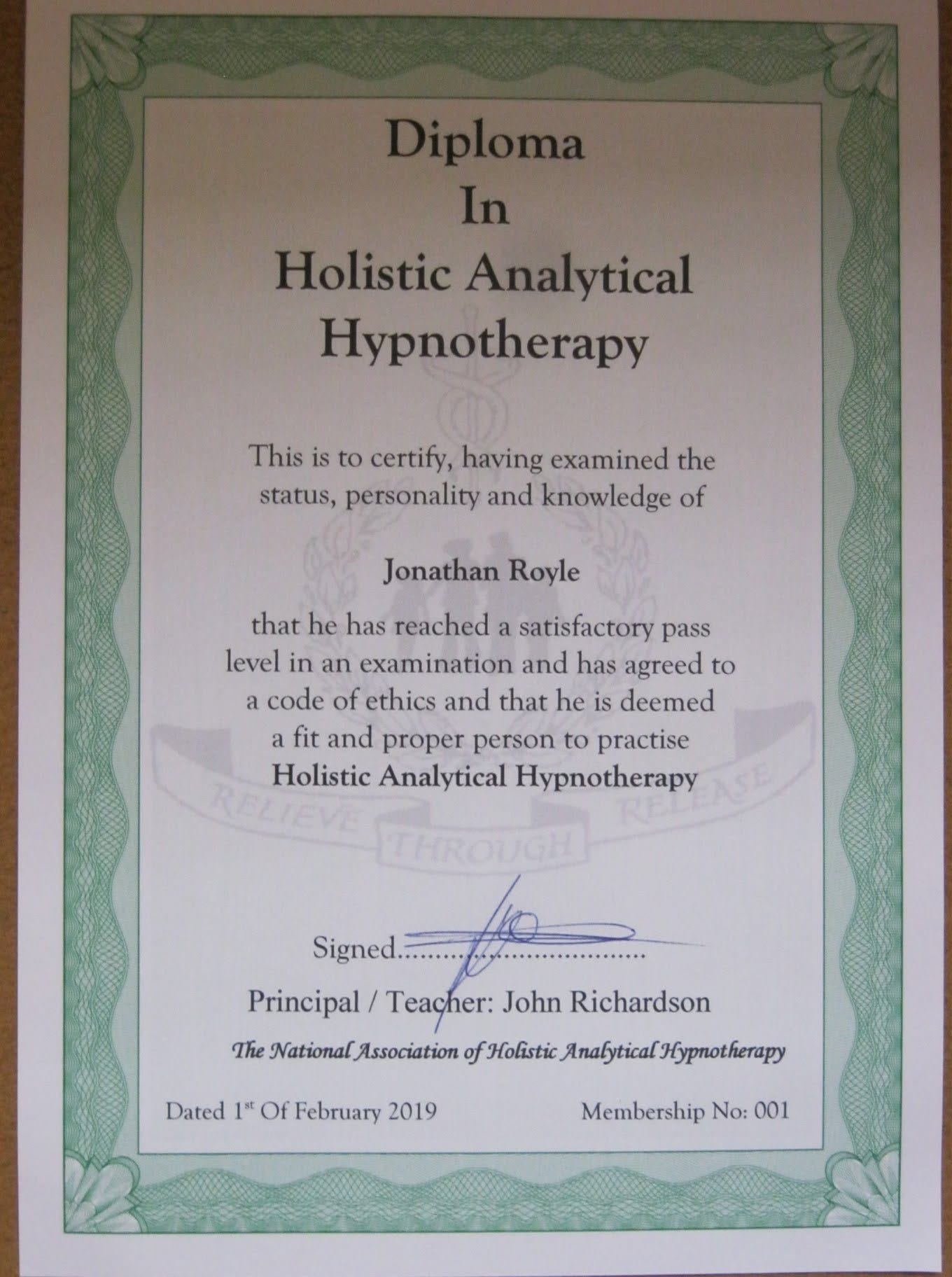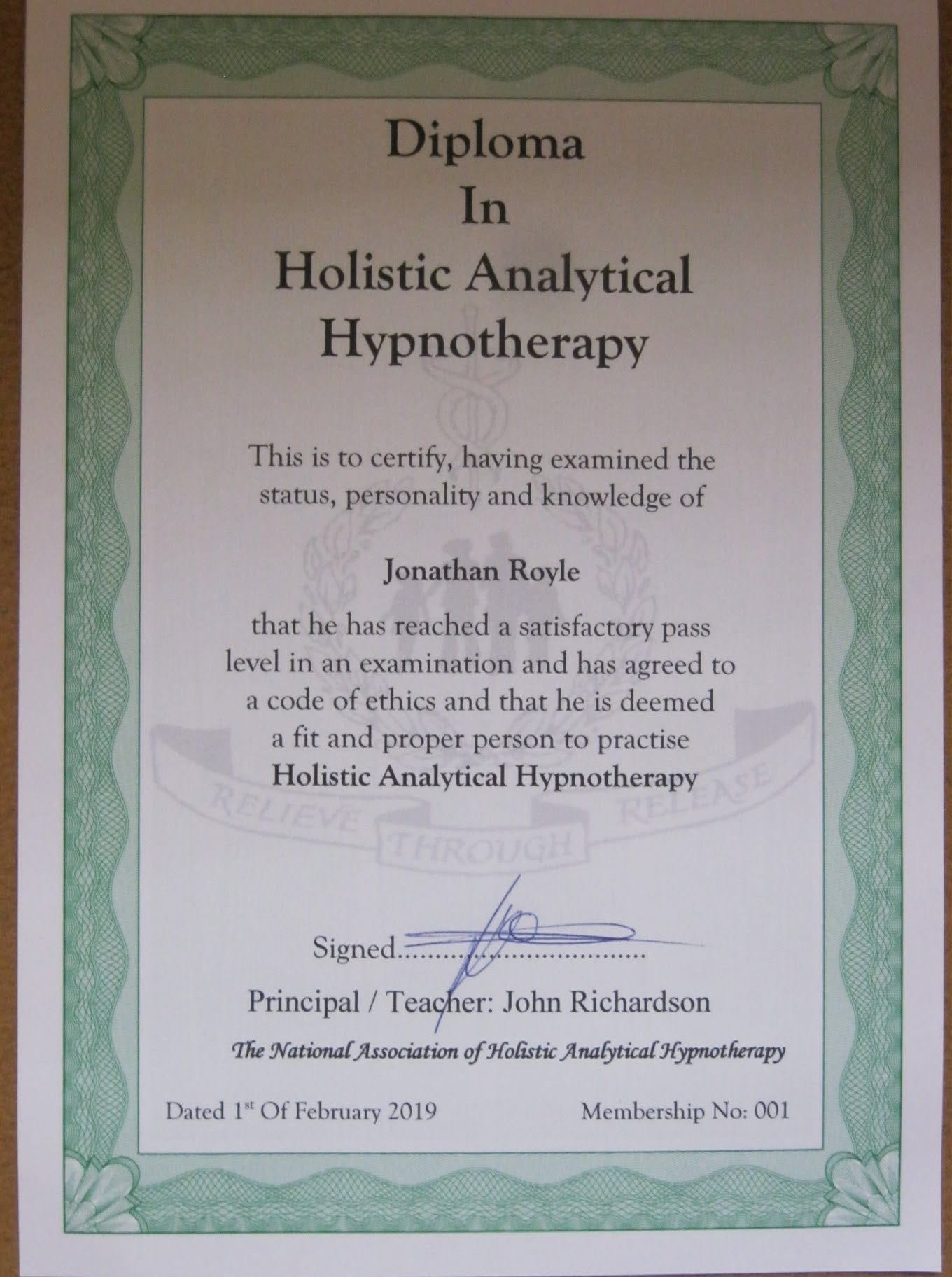
Firstly I should mention that in 2019 I took a wonderful course with my friend and colleague John Richardson as per https://www.feelbetterfast.co.uk/n.a.h.a.h.-training-courses.html
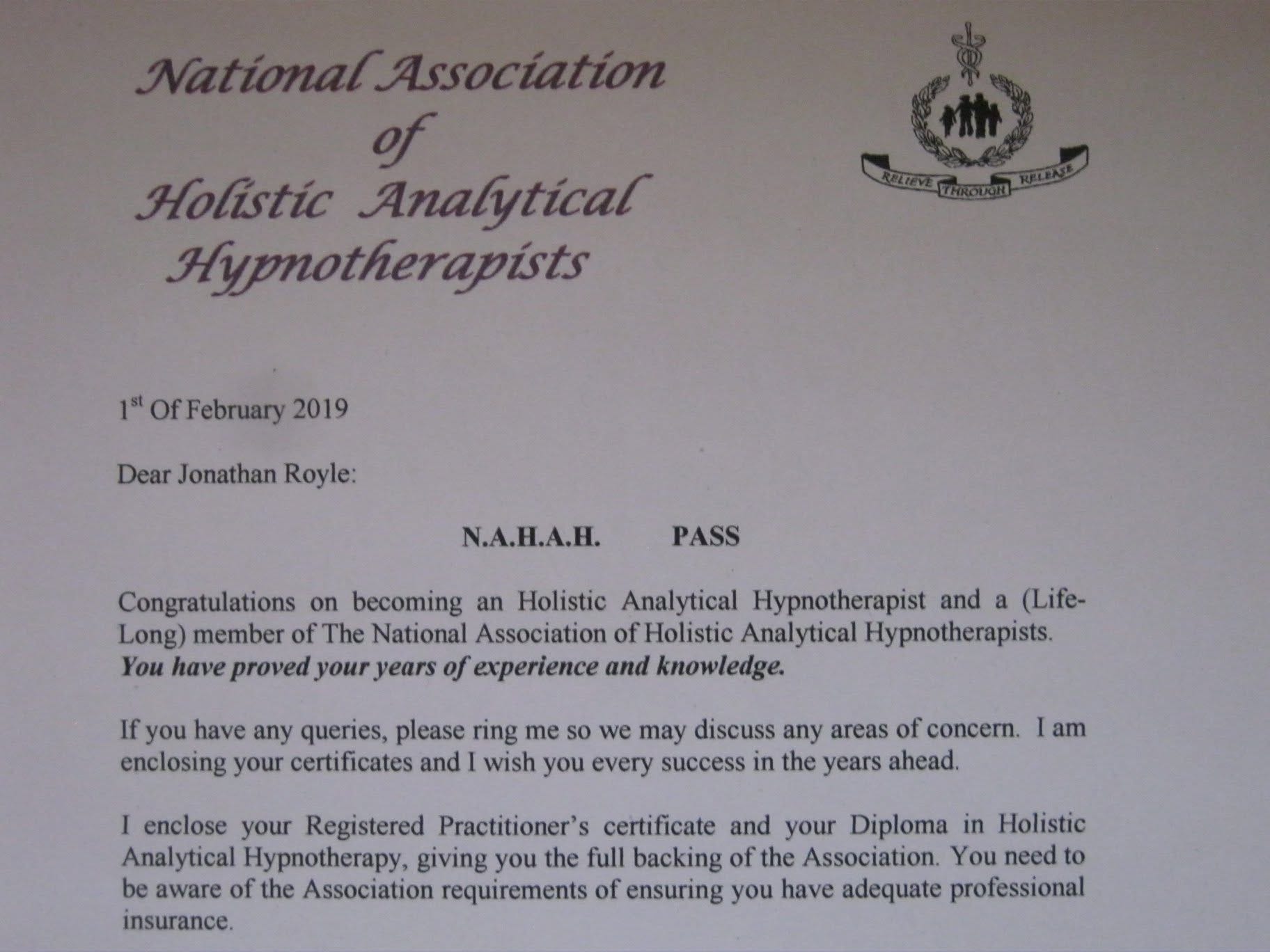
The National Association of Holistic Analytical Hypnotherapists®
(NAHAH) was established by John Richardson (Est: 2019) to continue and develop the work of his peers, Mr. John Howard (The John Howard College Of Holistic Hypnotherapy), who retired in 2002, and Mr. Alan David Kershaw (The Alan Kershaw School Of Holistic Hypnotherapy), who sadly passed to the other side of life in March 2018, and were the original founders of The National Association Of Holistic Hypnotherapists (NAHH):
I was Proud to add the new certification to my ever growing collection of Hypnosis, NLP & Related Diplomas & Qualifications that can all be viewed at the link below and which arguably show that I am The World’s Most Qualified Hypnotist.
https://www.facebook.com/media/set/?set=a.10157286044922806&type=3
There are people who argue that “Regression to Cause” or “Analytical Hypnotherapy” is the “Gold Standard” for Hypnotherapists and then there are many others who argue that it is outdated & potentially Dangerous….
My view overall is that used correctly and safely (see the video interviews further down this page) that for some clients at least it can be exactly what they need, but for many others it is the last thing I would consider using to help them..
On this page I shall examine both sides of the argument, presenting evidence for both views and ultimately letting you decide for yourself.
As I say I consider this one of the many valuable approaches and tools I have in my therapeutic tool kit but will be honest and state that in the vast majority of cases and with the vast majority of clients I find other techniques to be faster, more reliable and positively long last for the client.
Having said that there are times since I first Studied the Work of Neil French author of Successful Hypnotherapy (1984), published by Thorsons/HarperCollins and the course provided by the International Association of Hypno-Analysts (IAH) back in around 1994 that Analytical Hypnotherapy has proved invaluable to my work and truly life changing to some of my clients.
So with that said lets first look at some of the arguments against
Regression to Cause, Hypnosis and “Analytical Hypnotherapy”: The Dangers of False Memories and the Lack of Reliable Evidence
Why hypnotic regression cannot establish the historical truth of a memory—and why therapists should exercise extreme caution when searching for hidden causes of psychological distress.
Introduction
Hypnosis and hypnotherapy are sometimes promoted as ways to uncover the hidden causes of psychological distress by taking a person back to earlier experiences. Under approaches variously described as regression therapy, age regression, regression to cause or analytical hypnotherapy, clients may be encouraged to revisit childhood experiences, search for forgotten events, or identify an alleged original incident responsible for present-day symptoms.
Some practitioners suggest that anxiety, depression, phobias, relationship difficulties and other problems can be traced to a specific event that the conscious mind has supposedly forgotten. The implication is that recovering the memory, understanding its meaning and resolving the associated emotions will help eliminate the problem.
There is, however, a fundamental scientific difficulty with this approach: the subjective experience of remembering something is not proof that the event actually happened.
Research in cognitive psychology and clinical science has repeatedly demonstrated that human memory is reconstructive, susceptible to suggestion, and vulnerable to distortion. Hypnosis can increase the subjective vividness and confidence of recollections without reliably establishing their historical accuracy. Techniques that encourage clients to search for hidden memories, imagine possible events or accept a therapist’s interpretation can therefore create a risk of false or distorted recollections.
John F. Kihlstrom’s influential review, Hypnosis, Delayed Recall, and the Principles of Memory (1994), explains why there is no reliable test that can distinguish true memories from false ones in the absence of independent corroboration.
This does not mean that every memory recalled during hypnosis is false, nor does it mean that every form of hypnotherapy is ineffective or dangerous. It means that regression-based claims must be assessed against the available evidence rather than accepted on the strength of emotional intensity, vivid imagery or a client’s conviction.
The central argument of this article is that hypnotic regression is not a scientifically reliable method of establishing the historical truth of an alleged memory, and using it to diagnose the cause of psychological symptoms can create avoidable psychological, interpersonal and legal risks.
1. Human memory is reconstructive, not a recording
People commonly experience memory as though the brain stores a faithful recording of events that can later be replayed. In reality, remembering involves reconstructing information from incomplete traces, existing knowledge, expectations, emotions and subsequent experiences.
A person can sincerely remember something that did not happen as recalled. They can also remember a real event while getting important details wrong. These errors need not involve deliberate lying or conscious fabrication.
Psychologist Elizabeth Loftus and other researchers have demonstrated that memories can be influenced by misleading information, leading questions and suggestions about events that never occurred. Experimental participants have sometimes come to believe or report aspects of fictitious childhood events after suggestion and repeated imagination.
Loftus and Deborah Davis examine this evidence in their review, Recovered Memories (2006), published in the Annual Review of Clinical Psychology. They discuss research on recovered memories, the development of false autobiographical memories, and how certain therapeutic procedures may contribute to memory distortion.
This research has important implications for any therapeutic approach that attempts to discover a hidden event by asking a client to search their mind for it.
For example, a therapist might ask a client with unexplained anxiety to return mentally to childhood and identify the first time they felt unsafe. The client may generate an image, a feeling or a narrative. Once an interpretation has been suggested, the client may incorporate it into their understanding of their personal history.
That process does not establish whether the imagined scene represents an actual event, a mixture of several experiences, a dream, an inference, a symbolic representation or an entirely new construction.
A memory can be psychologically meaningful without being historically accurate. Confusing those two things is one of the most important errors to avoid in regression-based therapy.
2. Hypnosis does not reliably distinguish true memories from false ones
Hypnosis is sometimes presented as a means of recovering memories that are inaccessible to ordinary conscious recall. This claim must be distinguished from the more limited observation that hypnosis can alter attention, imagery, expectations and the experience of remembering.
The scientific concern is that hypnotic procedures can increase the subjective vividness of recollections and, in some circumstances, confidence in what is recalled, without providing a dependable means of separating accurate memories from inaccurate ones.
In his review Hypnosis, Memory and Amnesia (1997), published in Philosophical Transactions of the Royal Society B, Kihlstrom discusses research indicating that hypnotic suggestions to improve recall can increase false recollections as well as confidence in both true and false memories. He also explains why the experience of age regression should not be mistaken for a literal return to childhood or the faithful replay of an original experience.
This distinction is critical:
Vividness is not verification. A detailed mental image is not necessarily a record of a real event.
Confidence is not accuracy. People can become more certain about mistaken recollections.
Emotional intensity is not proof. Strong fear, sadness or physical sensations can accompany imagination, suggestion and recollection alike.
A therapist’s interpretation is not independent evidence. The belief that a scene explains a symptom does not establish its historical truth.
A recent review by Donato Giuseppe Leo, Davide Bruno and Riccardo Proietti, Remembering What Did Not Happen: The Role of Hypnosis in Memory Recall and False Memories Formation (2025), specifically examines hypnosis, autobiographical memory and false recollections. The authors conclude that hypnotic regression and guided imagery should be used cautiously because they may unintentionally contribute to false-memory recall. They also acknowledge that the evidence on hypnosis and memory is complex and that further research is needed.
Hypnosis should therefore not be treated as a truth serum, a forensic memory-recovery device or a reliable method of determining whether a particular alleged event occurred.
3. The danger of suggestion and leading questions
The risk becomes particularly concerning when a therapist presupposes that a forgotten traumatic event must exist.
Questions such as “Who hurt you?”, “What happened before you became frightened?” or “Can you go back to the original incident?” may appear to be attempts to help. However, they can also communicate an expectation that a particular event occurred and that the client is supposed to discover it.
The problem is not limited to explicitly leading questions. Repeated requests to search for an explanation, guided imagery, interpretations of bodily sensations, repeated rehearsal of imagined scenes and affirmations that a memory has finally emerged can all affect how a person understands an experience.
Research reviewed by Loftus and Davis demonstrates why therapeutic suggestion and expectations deserve particular scrutiny when memories of past trauma are being explored (Loftus & Davis, 2006).
A possible sequence is:
A person seeks treatment for a present-day problem.
The practitioner assumes that the problem must have originated in a forgotten event.
The client is repeatedly encouraged to search for that event.
An image, impression or uncertain recollection emerges.
The practitioner interprets it as evidence of the presumed cause.
Repetition and discussion strengthen the client’s confidence in the resulting narrative.
This sequence does not prove that a false memory will develop in every case. It illustrates a recognised mechanism through which suggestion can influence recollection and belief.
The concern is particularly serious when the suggested explanation involves childhood abuse, sexual assault, parental wrongdoing, ritual abuse or another event with profound consequences for the client and other people.
A responsible therapist should not presume that abuse occurred simply because a client has symptoms, nor presume that it did not occur simply because the client cannot recall it. The historical question requires evidence independent of the therapeutic suggestion.
4. Are recovered memories necessarily false?
It is important to make a scientifically defensible distinction between two propositions:
Some people can recall genuine events that they had not previously been able to recall.
A memory produced during hypnotic regression is evidence that the recalled event actually happened.
The first proposition is plausible and supported by evidence that memory access can fluctuate. People may also remember genuine experiences after periods of limited or absent recall. The second proposition does not follow from the first.
The literature on recovered memories is complex. Researchers have debated the circumstances in which genuine memories may become inaccessible and later return, as well as the mechanisms by which false memories can form.
Loftus and Davis’s review, Recovered Memories (2006), considers both the evidence concerning recovery of autobiographical memories and research on the creation of false memories. It does not justify the blanket assertion that all recovered memories are false.
Equally, there is no sound basis for treating every memory recovered under hypnosis as genuine.
The appropriate conclusion is not that every regressed memory has been proved false, but that hypnotic regression itself cannot establish that any particular recollection is true. Where independent corroboration is absent, the historical status of the alleged event may remain uncertain.
Claims that a particular regression technique reliably uncovers the original cause of a psychological problem therefore require controlled, reproducible evidence. A compelling anecdote or a client’s sincere belief is not enough.
5. Why “analytical hypnotherapy” requires critical scrutiny
The label analytical hypnotherapy can refer to different practices, and practitioners do not necessarily use the term in the same way. Some use hypnosis to explore a client’s associations and emotions; others place greater emphasis on regression, uncovering an alleged root cause or recovering supposedly repressed experiences.
It would be inaccurate to assume that every practitioner using this label follows the same procedure. The relevant question is what the practitioner actually does and what claims they make about the results.
Where the method depends on the assumption that symptoms are caused by hidden memories that can be uncovered through hypnosis, several questions arise:
What independent evidence establishes that the alleged event occurred?
How does the practitioner distinguish a genuine recollection from imagination, inference or suggestion?
Are alternative explanations for the symptoms considered?
Are clients told that mental imagery and emotional responses can occur without proving a historical event?
Does the practitioner avoid leading questions and premature conclusions?
Is the treatment supported by controlled research measuring meaningful clinical outcomes, rather than testimonials about recovered memories?
The concerns about hypnosis and pseudomemories are not new. Lynn and Nash’s review, Truth in Memory: Ramifications for Psychotherapy and Hypnotherapy (1994), discusses the reliability of memory, the influence of therapists’ and clients’ expectations, and the potential hazards of uncritical reliance on hypnotically elicited recollections.
A method cannot establish its own validity simply because a client reports feeling better after a session. Nor does the discovery of a seemingly coherent personal narrative establish that the narrative is historically correct or that the identified event caused the original symptoms.
Psychotherapy can involve exploring personal history, emotions and beliefs without claiming to recover objectively verified memories. That distinction matters. The potential problem is not therapeutic exploration itself, but the presentation of speculative reconstructions as established facts.
6. Potential psychological and social harms
Regression-based approaches can carry risks when uncertain recollections are treated as factual discoveries.
False beliefs and distress
A person may come to believe that a serious event happened to them when the available evidence does not establish it. The resulting belief can cause fear, anger, shame, confusion or distress, even if the recollection is inaccurate.
Damage to family relationships
If a regressed image is interpreted as proof that a parent, relative or other person committed abuse, relationships may be damaged by allegations that have not been independently established. This does not mean allegations should be dismissed; it means that their factual status must not be decided by hypnosis.
Misattribution of psychological symptoms
Anxiety, panic, depression and other symptoms can have multiple interacting causes. Assigning them to a single imagined or unverified childhood incident can narrow the client’s understanding of their difficulties and distract from more appropriate assessment or treatment.
Reinforcement of mistaken beliefs
Repeatedly revisiting, elaborating and discussing a suggested scene can increase familiarity and subjective confidence. The client may consequently become more convinced that the event occurred, even though repetition is not independent corroboration.
Legal and safeguarding consequences
Memories elicited during therapy may influence allegations, family disputes or legal proceedings. Because hypnosis is not a reliable way to validate historical recollections, practitioners should avoid presenting hypnotically generated material as proof of criminal conduct.
These are potential harms, not inevitable outcomes of every hypnotic session. The extent of risk depends on the techniques used, the claims made, the client’s circumstances and how the resulting material is interpreted.
7. What does the scientific evidence actually support?
A rigorous assessment should separate three different questions.
First: Can hypnosis affect recall?
Yes. Hypnosis can influence attention, imagery, suggestibility and reports of remembered material. It can sometimes increase the amount of material reported, but a greater quantity of recalled information does not necessarily mean greater accuracy.
Second: Can hypnosis guarantee the historical accuracy of a recalled event?
No. There is no reliable method inherent in hypnotic regression that distinguishes a true recollection from an inaccurate or suggested one. Kihlstrom’s review of delayed recall makes this limitation explicit (1994 article).
Third: Does uncovering a supposed root cause through regression reliably treat psychological problems?
That is a separate clinical question. Evidence that hypnosis can have therapeutic applications in some contexts does not validate regression-based explanations or establish the effectiveness of every treatment marketed as analytical hypnotherapy.
Research should assess clinical outcomes, adverse effects, alternative explanations and the reliability of the method. Testimonials, dramatic sessions and reports of emotional release cannot substitute for such evidence.
It is also important to avoid the opposite error: the limitations of regression do not establish that hypnosis has no legitimate therapeutic applications. The scientific objection is to unsupported claims about memory recovery and causation, not to every use of hypnosis.
8. What should responsible practice look like?
A safer approach places the client’s current difficulties, wellbeing and informed choices ahead of the pursuit of an assumed hidden cause.
Responsible practitioners should explain the limitations of memory, avoid implying that a particular event must have happened, distinguish imagery from verified recollection, and refrain from treating a client’s response to suggestion as confirmation of historical fact.
When a client reports a possible memory of abuse or another serious event, the appropriate response is neither automatic acceptance nor automatic dismissal. The experience should be approached sensitively, without pressure to elaborate or confirm it. Any factual investigation should rely on appropriate independent evidence, not on hypnotic interpretation.
For people seeking treatment for psychological distress, the choice of therapy should be informed by evidence for the relevant condition, the practitioner’s qualifications, the risks and benefits of the proposed intervention, and the availability of better-supported alternatives.
In the United Kingdom, the National Institute for Health and Care Excellence (NICE) publishes evidence-based recommendations for specific mental health conditions. These guidelines offer a more reliable starting point for treatment decisions than the promise of uncovering an assumed hidden memory.
Conclusion
Regression to cause and forms of analytical hypnotherapy that depend on recovering forgotten events raise legitimate scientific and ethical concerns.
Human memory is reconstructive. Hypnosis does not provide a dependable means of distinguishing accurate memories from inaccurate ones. Suggestion can influence what people imagine, report and believe, and repeated interpretation may strengthen confidence in an unverified narrative.
It would go too far to claim that every memory uncovered during regression is necessarily fabricated or false. The evidence does not support that universal conclusion. However, the opposite claim—that hypnotic regression reliably uncovers genuine memories and identifies the original causes of psychological symptoms—is also unjustified.
The scientifically defensible position is clear: a memory produced during hypnotic regression should not be treated as proof that an event occurred, and a therapist should not diagnose the cause of a person’s distress on the basis of an unverified regressed memory.
Where the stakes involve mental health, family relationships, allegations of abuse or criminal proceedings, this is not a minor technical distinction. It is a necessary safeguard against confusing subjective experience with historical fact.
The burden of proof belongs to those making claims of reliable memory recovery and therapeutic efficacy. Until those claims are supported by robust evidence, regression-based methods should be approached with substantial caution, transparent informed consent and a clear commitment to avoiding suggestion-induced harm.
References and further reading
The following publications provide the principal scientific sources cited in this article.
Kihlstrom, J. F. (1994). “Hypnosis, Delayed Recall, and the Principles of Memory.” International Journal of Clinical and Experimental Hypnosis, 42(4), 337–345. Read on PubMed.
Kihlstrom, J. F. (1997). “Hypnosis, Memory and Amnesia.” Philosophical Transactions of the Royal Society B, 352, 1727–1732. Read the full article free.
Loftus, E. F., & Davis, D. (2006). “Recovered Memories.” Annual Review of Clinical Psychology, 2, 469–498. Read the publication record and abstract.
Leo, D. G., Bruno, D., & Proietti, R. (2025). “Remembering What Did Not Happen: The Role of Hypnosis in Memory Recall and False Memories Formation.” Frontiers in Psychology, 16, 1433762. Read the full open-access review.
Lynn, S. J., & Nash, M. R. (1994). “Truth in Memory: Ramifications for Psychotherapy and Hypnotherapy.” American Journal of Clinical Hypnosis, 36(3), 194–208. Read the publication record and abstract.
National Institute for Health and Care Excellence (NICE). Evidence-based clinical guidance for mental health and other health conditions. Browse NICE guidance.
Note: These sources support caution about hypnotically elicited memories and the risks of suggestion. They do not establish that every memory recalled during hypnosis is false, or that every form of hypnotherapy is harmful. The argument concerns the reliability of regression as a method of verifying memories and identifying the causes of psychological symptoms.
Now watch the four videos above for discussions and debates on the subjects of Regression to Cause Hypnosis, Regression & Parts Hypnotherapy and related areas where I interview Attila J Kun, Wendie Webber, Roy Hunter, Anne Jirsch & Stephanie C Conkle for my “Hypnosis Week” Podcast show.
Then take a look at the arguments in favour of such approaches:
Regression to Cause and Parts Therapy: A Hypnotherapist’s Perspective on Memory, Healing and Ethical Change
Why I believe regression and parts therapy can offer valuable therapeutic experiences—even when the memories that emerge cannot be verified as historically accurate.
Introduction: Can we use regression ethically when memory is imperfect?
As a hypnotherapist who uses regression to cause and analytical hypnotherapy, I understand why these approaches attract both passionate supporters and serious criticism.
I also understand the concerns surrounding memory. Human memory is not a video recording of the past. It can be incomplete, distorted, reconstructed and, under certain circumstances, influenced by suggestion to the point that a person develops a convincing recollection of something that did not happen as remembered.
I do not believe responsible hypnotherapists should ignore this evidence, dismiss it as irrelevant, or insist that every image, sensation or narrative emerging during hypnosis must represent a literal historical event.
But I also believe that the debate often overlooks an important therapeutic distinction.
Must a memory be historically accurate to have therapeutic value, or can the experience of exploring, reinterpreting and emotionally resolving it help a person move forward?
My position is that an experience emerging during regression may sometimes be useful as an emotional representation, metaphor or imaginative reconstruction of a person’s present difficulties. When handled carefully, it may provide an opportunity to explore beliefs, emotions, needs and responses that the client wishes to change.
The therapeutic value, however, must be distinguished from historical truth. I cannot responsibly claim that a memory is accurate simply because it feels real, nor should I claim that a technique is effective merely because it has produced a powerful emotional response.
The task is to use the experience ethically, without turning an uncertain recollection into a supposedly established fact.
1. Regression to cause: Exploring the meaning behind a problem
Regression to cause is commonly used to describe an approach in which a client explores earlier experiences, associations or emotional patterns in an attempt to understand a present-day difficulty.
A client might arrive with a fear of rejection, persistent anxiety, a lack of confidence, difficulty establishing boundaries or a recurring pattern in relationships. Through therapeutic conversation and hypnosis, they may begin to explore earlier situations associated with those feelings.
Sometimes the experience is a clear recollection. Sometimes it is a fragment, an impression, an imagined scene, a symbolic image or a feeling that seems to have no obvious explanation.
In traditional regression practice, the therapist may explore what the client experiences as an earlier or originating event. But I believe we must be careful about the meaning we attach to the result.
Suppose a client experiences an image of being alone as a small child. The image might represent an actual incident, a collection of childhood experiences, a dreamlike reconstruction or a metaphor for a longstanding feeling of abandonment.
Unless there is independent evidence, I cannot know which interpretation is historically correct.
What I can explore with the client is what the experience means to them now.
Do they believe they are unimportant? Do they expect people to leave? Do they feel that they must earn affection? Have they developed a habit of suppressing their own needs to avoid rejection?
Those are clinically relevant questions that can be explored without claiming to have uncovered the definitive historical cause of their difficulties.
Regression can be approached as a way of exploring the client’s emotional world, rather than as a forensic investigation into the past.
That distinction allows us to remain open to the client’s experience while respecting the limits of what memory can tell us.
2. What the research says about memory reconstruction
I believe it is essential for hypnotherapists to acknowledge the scientific evidence concerning memory distortion.
In his review, Hypnosis, Memory and Amnesia (1997), published in Philosophical Transactions of the Royal Society B, psychologist John F. Kihlstrom explains that hypnotic suggestions intended to improve recall can increase false recollections and confidence in both accurate and inaccurate memories. He also explains that hypnotic age regression can feel compelling without literally reinstating a person’s childhood state.
This is an important warning. The intensity of an experience cannot establish its historical accuracy.
Similarly, Elizabeth Loftus and Deborah Davis, in their review Recovered Memories (2006), examine the complex relationship between recovered memories, suggestion and false autobiographical memories.
These findings should influence how we practise.
If a client experiences a scene during hypnosis, I should not automatically tell them that it happened. If a client imagines a childhood event, I should not treat the image as proof of abuse, neglect or wrongdoing by another person. If a client experiences a strong emotional reaction, I should not assume that the intensity confirms the historical reality of the scene.
But acknowledging these limitations does not require us to dismiss the client’s experience as meaningless.
A dream can be emotionally significant without being a historical record. An imagined conversation can help someone recognise something they have struggled to express. A symbolic representation of rejection can help a person explore the fear of being rejected.
Likewise, an image that arises during regression may provide a useful starting point for therapeutic exploration, provided we do not confuse its possible meaning with proof of what happened.
The ethical question is not simply whether a memory is true or false. It is also how the therapist interprets it, what the client is encouraged to believe, and what therapeutic work follows.
3. Can an inaccurate memory still be therapeutically useful?
This is where I believe a more nuanced discussion is needed.
If a client experiences an image during hypnosis that cannot be verified, there are several possible approaches.
One is to interpret it as a literal event and build an explanation of the client’s life around it. I consider this unsafe when the evidence is insufficient.
Another is to reject the experience outright, insisting that it cannot be useful because its historical status is uncertain. I believe this can overlook the potential value of imagination, emotional processing and changing the meaning attached to an experience.
A third approach is to explore the experience without deciding that it must be literally true.
For example, a client may imagine themselves as a frightened child standing alone in a room. Rather than asking who caused this and assuming that the scene reveals an actual incident, I might explore what the image represents to the client.
Perhaps the child represents a feeling of vulnerability. Perhaps the image captures the client’s longstanding belief that they must cope alone. Perhaps it expresses an emotional experience that has been difficult to put into words.
We can then ask what that younger version of the self needs, what the adult client understands now, and what new response might help them feel safer and more capable in the present.
The work can focus on compassion, self-worth, boundaries, emotional regulation and alternative interpretations.
The client does not need to prove that the scene happened exactly as imagined for those present-day questions to be worth exploring.
There is an important qualification, however: the fact that an imagined or distorted memory can be used therapeutically is a plausible clinical approach, not proof that every regression experience is beneficial or that regression to cause has been established as a reliable treatment.
Its usefulness must be assessed by what happens to the client over time, not by the apparent drama of the session.
4. The connection with imagery rescripting
One useful way to understand this approach is through research on imagery rescripting, a therapeutic technique in which a distressing mental image or remembered scene is revisited and given a different outcome or meaning.
In imagery rescripting, a person might imagine intervening in a distressing scene, providing protection to a vulnerable version of themselves, challenging a harmful belief or meeting a need that was not met in the original experience.
The purpose is not necessarily to establish new historical facts. It is to change the emotional meaning of an image, reduce distress and develop more helpful beliefs or responses.
Imagery rescripting has been investigated in clinical psychology, including for conditions involving distressing memories and negative self-beliefs.
For an overview of the clinical rationale and evidence, see:
Arntz (2012), Imagery Rescripting as a Therapeutic Technique: Review of Clinical Trials, Basic Studies, and Research Agenda.
Morina, Lancee and Arntz (2017), Imagery Rescripting as a Clinical Intervention for Aversive Memories: A Meta-Analysis.
These publications provide a useful scientific basis for discussing the therapeutic potential of revisiting and changing the meaning of distressing imagery.
They do not establish that regression to cause is equivalent to imagery rescripting, nor do they prove that regression reliably identifies the original cause of a psychological problem. Rather, they support the more limited proposition that working with mental images and their emotional meanings can be a legitimate subject of therapeutic research.
For me, this offers a constructive way forward. We can acknowledge that memory is fallible while still exploring whether a client’s experience can be transformed into something more helpful.
5. Parts therapy: Working with conflicting needs and inner responses
Another approach I find valuable is parts therapy, often associated with ego-state therapy and other models that work with different aspects of a person’s emotional life.
People commonly describe themselves as having conflicting parts.
One part wants to move forward, while another is afraid of failure. One part wants intimacy, while another expects rejection. One part wants to speak up, while another fears conflict. One part knows that a relationship is unhealthy, while another feels unable to let go.
These descriptions need not imply that a person literally contains separate personalities. They can be understood as a way of describing competing emotions, beliefs, motivations, learned responses and protective strategies.
Parts work provides a structured opportunity to explore those conflicts with curiosity rather than self-criticism.
For example, a client who struggles with procrastination might initially describe part of themselves as lazy or self-sabotaging. Through therapeutic exploration, they may begin to recognise that avoiding a task helps them escape the fear of being judged or making a mistake.
The goal is not to prove that a particular childhood event created this protective response. It is to understand the response’s function, examine whether it remains helpful and develop more adaptive alternatives.
The client might learn to recognise fear without allowing it to dictate every decision. They may develop greater self-compassion, a more realistic understanding of risk and a willingness to act despite uncertainty.
In this sense, parts therapy can be understood as a collaborative method for exploring internal conflict and promoting psychological flexibility.
What does the research say about ego-state therapy?
There is published clinical literature on ego-state therapy, including its use alongside hypnosis.
For example:
Abramowitz and Torem (2018), The Roots and Evolution of Ego-State Theory and Therapy, reviews the historical development of ego-state theory and its clinical applications.
Alladin (2013), Healing the Wounded Self: Combining Hypnotherapy with Ego State Therapy, discusses the theoretical integration of ego-state therapy and cognitive hypnotherapy in relation to depression. The relevant article has its own publication record here.
Barabasz (2013), Evidence Based Abreactive Ego State Therapy for PTSD, reviews two placebo-controlled investigations of a particular manualised ego-state treatment.
These publications demonstrate that ego-state approaches have been discussed and investigated in the clinical literature. They should not be taken as proof that every form of parts therapy works, that all clients benefit, or that the specific method of regression to cause has been validated.
In particular, results for a defined ego-state treatment protocol cannot automatically be generalised to every technique marketed as analytical hypnotherapy.
I believe that distinction strengthens rather than weakens the case for responsible practice. It allows us to identify promising approaches, evaluate their limitations and avoid claiming more than the evidence supports.
6. Emotional release: Helpful experience or proof of healing?
One of the experiences sometimes reported in regression-based therapy is an emotional release. A client may cry, express anger, recognise a longstanding fear or experience a sense of relief after exploring a distressing image or memory.
As a practitioner, I regard such responses as worth listening to. They may indicate that the client is engaging with emotionally important material. But I would not assume that crying, shaking, anger or any other intense reaction proves that a hidden trauma has been uncovered or that a therapeutic problem has been resolved.
Catharsis—the expression or release of emotion—has a long history in psychotherapy. Yet emotional expression alone is not a reliable measure of therapeutic success. An intense session can leave someone feeling relieved, exhausted, distressed or temporarily overwhelmed. Some people experience meaningful change without dramatic emotional expression at all.
The question I consider more important is what happens afterwards.
Does the client feel better able to manage the problem that brought them to therapy? Do they develop a less punishing view of themselves? Can they respond differently to situations that previously triggered distress? Does the improvement persist beyond the immediate emotional experience?
These are more useful indicators than the intensity of a single session.
A particularly relevant publication is Gravitz (1994), Memory Reconstruction by Hypnosis as a Therapeutic Technique. This paper describes three clinical cases in which hypnotic regression was followed by therapeutic restructuring of recollections. The reported improvements were maintained at follow-up.
It is an interesting example of the idea that changing the meaning and emotional impact of a memory may be therapeutically useful. However, it is a small case series, not a controlled trial establishing the efficacy of regression to cause. It should be treated as an illustration of a possible therapeutic approach rather than definitive proof.
My view is that emotional release can be a useful part of therapy, but it should not be pursued for its own sake. Nor should clients be encouraged to believe that they must relive distress, discover a traumatic incident or experience a dramatic abreaction before they can improve.
The aim is not to make someone feel the past more intensely. It is to help them live better in the present.
7. Can we use metaphor to help a client let go of the past?
I believe this is one of the most constructive possibilities within regression-based work.
Human beings routinely use metaphor to understand experiences that are difficult to express directly. We talk about carrying emotional baggage, feeling trapped, being wounded by criticism or being held back by fear. These descriptions communicate something meaningful without necessarily describing a literal physical event.
A hypnotic image can work in a similar way.
Imagine a client who visualises themselves carrying a heavy suitcase. They may interpret the suitcase as representing years of guilt, self-doubt or responsibility for other people’s happiness.
We do not need to establish that the suitcase corresponds to a specific childhood incident. We can explore what the client believes they are carrying, why they feel obliged to carry it, and what they would like to do differently.
Perhaps they imagine putting it down. Perhaps they identify something they no longer wish to take responsibility for. Perhaps they develop a new understanding of a past relationship and a clearer boundary for the future.
The imagery may help them articulate a change they are ready to make.
Similarly, a client who imagines a frightened younger self might use the experience to practise compassion, protection and reassurance. They might imagine their present-day self offering support, explaining that they are no longer powerless, or helping the younger figure find safety.
This can be framed as an imaginative therapeutic exercise rather than a recovered historical event.
The distinction is important because it allows the client to benefit from the exercise without being encouraged to form an unwarranted belief about their past.
There is relevant evidence from imagery rescripting research. A meta-analysis by Morina, Lancee and Arntz examined 19 trials involving 363 adults and found promising results for imagery rescripting in psychological complaints associated with aversive memories, while noting that the number of randomised controlled trials was limited. See Imagery Rescripting as a Clinical Intervention for Aversive Memories: A Meta-Analysis.
A later updated meta-analysis, published in 2023, included 17 trials involving 908 participants. It found benefits compared with passive controls, while results did not show a significant difference between imagery rescripting and established active treatments in the comparisons examined. The authors also noted that evidence was limited for individual disorders. See Efficacy of Imagery Rescripting in Treating Mental Disorders Associated with Aversive Memories—An Updated Meta-Analysis.
These findings support the potential value of structured work with distressing imagery. They do not directly prove that regression to cause is effective, but they provide a reasonable basis for exploring carefully designed imagery-based interventions.
8. What does it mean to use regression ethically?
If I am to defend regression-based therapy, I must also be clear about the safeguards I believe are necessary.
I must not tell clients what their memories mean
A client should not be told that an image proves they were abused, neglected or harmed by a particular person. The therapist’s role is not to supply a historical narrative to explain a client’s symptoms.
I must distinguish experience from fact
I can acknowledge that a client experienced a vivid scene, a strong feeling or a powerful impression without claiming that I know the event happened as described.
Language matters. “What does this image mean to you?” is different from “Now we have discovered what happened to you.”
I must not assume that every problem has one hidden cause
Psychological difficulties often arise from multiple influences, including temperament, relationships, life circumstances, learned beliefs and present-day stressors. A single originating event should not be presumed.
I must not encourage the invention of memories
I should avoid leading questions, pressure to find a traumatic event, or repeated suggestions that a forgotten incident must exist. Clients should be told in advance that hypnosis and imagery can produce experiences that feel real without establishing historical accuracy.
I must respect uncertainty
If the client is unsure whether an experience represents a memory, imagination or metaphor, I should allow that uncertainty to remain. There is no need to force a definitive explanation in order to undertake useful therapeutic work.
I must assess outcomes, not simply emotional intensity
A dramatic session is not necessarily a successful session. Progress should be evaluated through the client’s wellbeing, functioning and ability to respond differently to their difficulties over time.
I must recognise the limits of my competence
Where a client presents with severe trauma symptoms, dissociation, significant instability or other complex mental health needs, I should work within my competence and consider appropriate specialist assessment or referral. Regression should not be presented as a substitute for necessary clinical care.
These safeguards are not obstacles to therapeutic work. They are what allow exploratory techniques to be used with greater respect for the client and the evidence.
9. Are regression to cause and analytical hypnotherapy scientifically proven?
This is where I believe we need intellectual honesty.
There is research supporting clinical hypnosis for certain applications, and there is emerging or established research into related approaches such as imagery rescripting and specific forms of ego-state therapy.
For example, the 2024 review Meta-Analytic Evidence on the Efficacy of Hypnosis for Mental and Somatic Health Issues: A 20-Year Perspective examined 49 meta-analyses covering 261 distinct randomised controlled trials. The authors reported encouraging findings across a range of clinical applications, particularly pain and medical procedures, while highlighting methodological limitations and the need for better comparisons with established treatments.
That is meaningful evidence for clinical hypnosis in general. It is not proof that all hypnotherapy techniques are effective, and it does not validate the claim that regression reliably identifies the original cause of a psychological problem.
A particularly relevant recent publication is Age Regression in Clinical Hypnosis: An Integrative Critical Review of Therapeutic Mechanisms (2026). The review discusses possible therapeutic mechanisms, including emotional processing, cognitive restructuring and corrective emotional experiences. It concludes that preliminary findings are promising but that the evidence base is heterogeneous, with small samples, inconsistent protocols and limited long-term follow-up. Its conclusions support further research, not a definitive claim of efficacy.
For parts therapy, the literature on ego-state therapy includes clinical reports, theoretical papers and some controlled investigations of particular protocols. The evidence is encouraging enough to warrant continued investigation, but it should not be generalised indiscriminately to every form of parts work.
The distinction I draw is between three claims:
Hypnosis can be useful in certain therapeutic contexts. There is research supporting this.
Exploring emotional imagery, internal conflict and the meaning of past experiences may help some clients. There is relevant research on related therapeutic approaches.
Regression to cause reliably uncovers the original event responsible for a problem, and analytical hypnotherapy is a proven method of resolving that cause. This stronger claim has not been established by the evidence cited here.
I can defend the first two propositions without pretending the third has been demonstrated.
Indeed, I believe a willingness to acknowledge this distinction makes the profession more credible. We should not need to overstate the science to recognise that clients can find meaning and benefit in carefully conducted therapeutic experiences.
10. What I believe successful regression work should ultimately achieve
For me, the most important outcome is not whether a client leaves a session believing they have discovered a previously hidden event.
It is whether they leave with a healthier relationship with themselves and their life.
A client may begin therapy believing they are fundamentally unlovable. They may finish with a better understanding of the experiences that contributed to that belief, a more compassionate view of themselves, and a willingness to form healthier relationships.
Another client may recognise that their avoidance of conflict is no longer protecting them but preventing them from expressing their needs. They may develop the confidence to set boundaries.
Another may explore an image of a younger self and use it to practise self-compassion, emotional safety and a different response to feelings of shame.
These changes matter whether the imagery corresponds precisely to a historical event or functions primarily as a symbolic representation of the client’s emotional world.
However, I would not assume that the technique itself caused those improvements merely because they followed a session. Client progress should be assessed carefully, and other explanations and influences should be considered.
I also do not believe every client needs regression. Some may benefit more from a different therapeutic approach, and some may find regression unhelpful or distressing. Responsible practice means being prepared to adapt rather than insisting that one technique is right for everyone.
Conclusion: We can respect memory’s limitations without abandoning therapeutic imagination
As a hypnotherapist who values regression to cause, analytical hypnotherapy and parts therapy, I believe these approaches can offer opportunities for meaningful therapeutic exploration.
But that belief does not require me to insist that every image emerging during hypnosis is a true memory, that every symptom has a single hidden cause, or that every emotional release represents a completed healing process.
I can acknowledge that memory is reconstructive. I can recognise that suggestion can distort recollection. I can accept that some experiences may be imagined, symbolic or historically uncertain.
And I can still explore what those experiences mean to the client, whether they illuminate a present-day difficulty, and whether working with them helps the client develop healthier beliefs, emotional responses and choices.
The important distinction is between using an experience to support change and presenting that experience as proof of history.
We do not have to prove that an image is a literal record of the past in order to explore its emotional meaning. But we must never confuse therapeutic usefulness with historical verification.
Regression to cause and analytical hypnotherapy should continue to be evaluated through rigorous research, transparent communication and honest assessment of outcomes. Parts therapy and imagery-based interventions deserve the same careful scrutiny.
My defence of these approaches is therefore not that they have been proved to recover the original causes of psychological problems. It is that, when used with appropriate safeguards, exploratory and imagery-based work may offer some clients a constructive way to understand their difficulties, develop self-compassion and move towards a more positive future.
The goal should never be to persuade someone that a particular past happened.
The goal should be to help them live better now.
References and further reading
The following resources provide further information about memory, hypnosis, imagery-based therapy and parts or ego-state approaches.
Memory, hypnosis and regression
Kihlstrom, J. F. (1997). Hypnosis, Memory and Amnesia. Philosophical Transactions of the Royal Society B.
Loftus, E. F., & Davis, D. (2006). Recovered Memories. Annual Review of Clinical Psychology.
Gravitz, M. A. (1994). Memory Reconstruction by Hypnosis as a Therapeutic Technique. Psychotherapy: Theory, Research, Practice, Training. A three-case clinical report, not a controlled efficacy trial.
Gallardo, L. M. (2026). Age Regression in Clinical Hypnosis: An Integrative Critical Review of Therapeutic Mechanisms. American Journal of Clinical Hypnosis. A recent critical review that describes possible therapeutic applications while acknowledging substantial limitations in the evidence.
Imagery rescripting and therapeutic change
Morina, N., Lancee, J., & Arntz, A. (2017). Imagery Rescripting as a Clinical Intervention for Aversive Memories: A Meta-Analysis.
Kip, A., Schoppe, L., Arntz, A., & Morina, N. (2023). Efficacy of Imagery Rescripting in Treating Mental Disorders Associated with Aversive Memories—An Updated Meta-Analysis.
Kroener, J., Hack, L., Mayer, B., & Sosic-Vasic, Z. (2023). Imagery Rescripting as a Short Intervention for Symptoms Associated with Mental Images in Clinical Disorders: A Systematic Review and Meta-Analysis.
Parts therapy and ego-state therapy
Abramowitz, E. G., & Torem, M. S. (2018). The Roots and Evolution of Ego-State Theory and Therapy.
Alladin, A. (2013). Healing the Wounded Self: Combining Hypnotherapy with Ego State Therapy.
Barabasz, A. (2013). Evidence Based Abreactive Ego State Therapy for PTSD.
Clinical hypnosis more broadly
Rosendahl, J., Alldredge, C. T., & Haddenhorst, A. (2024). Meta-Analytic Evidence on the Efficacy of Hypnosis for Mental and Somatic Health Issues: A 20-Year Perspective.
Evidence note: Research supporting clinical hypnosis, imagery rescripting or a particular ego-state therapy protocol should not be represented as direct proof that regression to cause or analytical hypnotherapy, as a whole, is reliable or effective. The most defensible position is that related approaches offer promising therapeutic possibilities, while the specific benefits, risks and mechanisms of regression-based methods require further high-quality research.
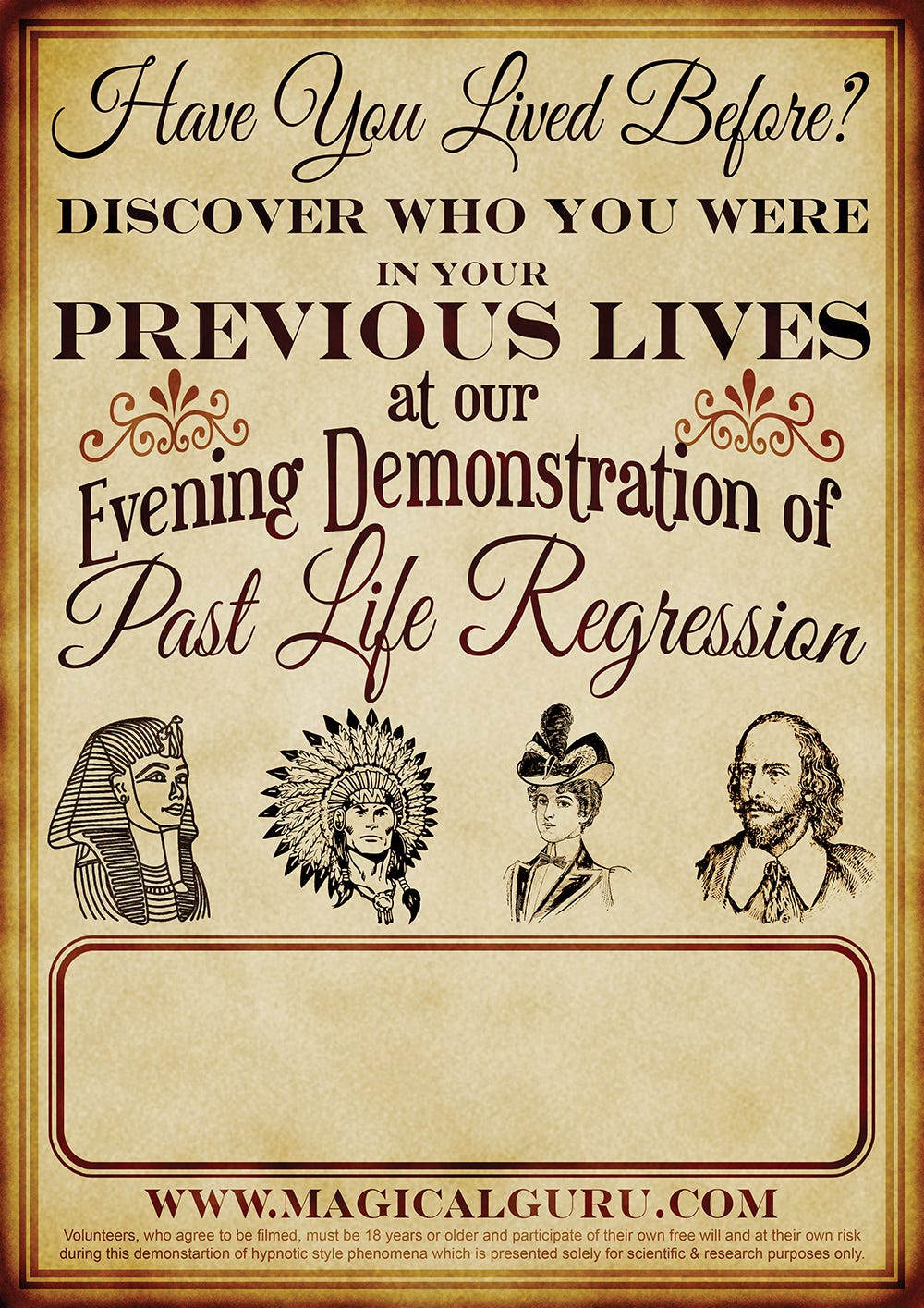
In the videos above & below you can see Jonathan Royle during one of his “Evening of Past Life Regression” performances.
For the record within my “Elite Hypnotherapy, Stage Hypnosis & NLP Hypnotism” Bootcamp you can earn an accredited diploma in my hybrid version of Regression to Cause Hypnosis & Analytical Hypnotherapy
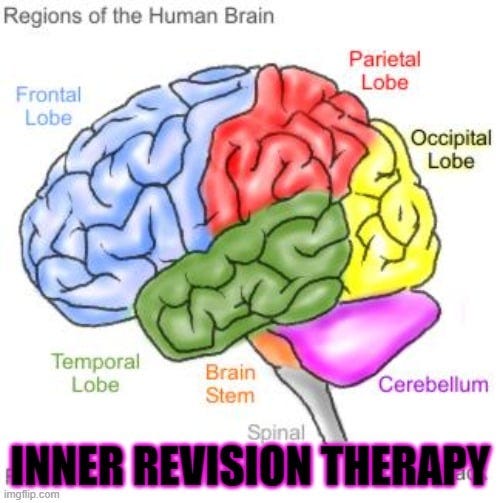
Inner Revision Therapy = IRT
A Rapid form of Hypno-Analysis to find the root cause of long-term emotional issues and then to positively and permanently remove the symptoms and side effects that used to cause the client issues
NOTE = You can get 50% off Lifetime Membership to the Bootcamp where you will also gain access to another 30+ Professional Qualifications along with business building & profit producing tools galore by entering the discount voucher code of WIZARD when using the checkout to secure your membership here
https://www.magicalguru.com/elite-hypnotherapy-nlp-hypnosis-stage-hypnotism-bootcamp/
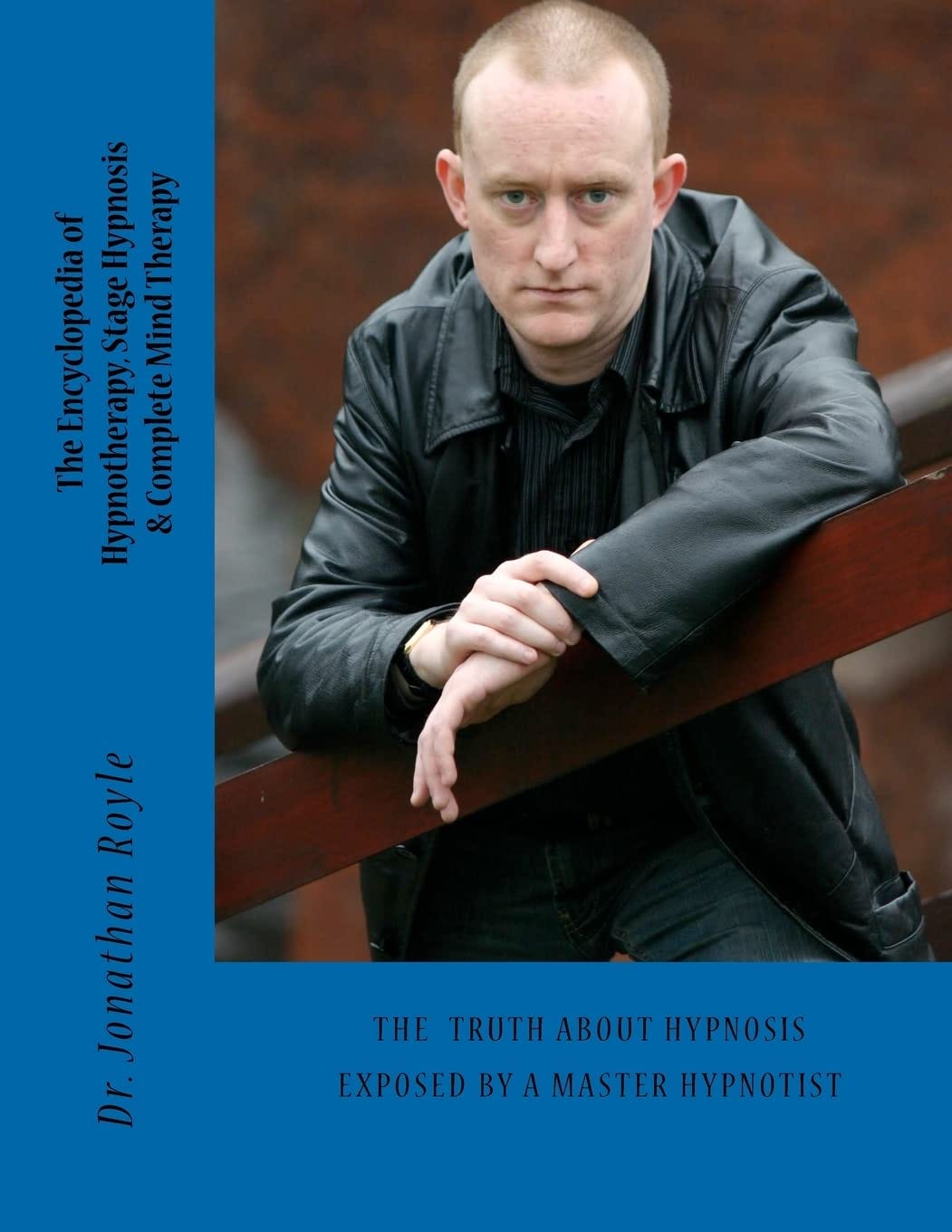
I can also confirm that I teach more conventional “Regression to Cause” Hypnosis & “Analytical Hypnotherapy” techniques among the massive tool kit of therapeutic methods that are taught within the pages of my book as per image above & link below
https://www.amazon.co.uk/Encyclopedia-Hypnotherapy-Hypnosis-Complete-Therapy/dp/1481911244/

Such approaches are also taught in a simple easy to follow, learn and implement manner in the book “Creative Mindpower techniques” for which I wrote the foreword for my student The Late Frank Lea and which I am delighted to say is included in digital format (as are all of my books) within the “Elite Hypnotherapy, Stage Hypnosis & NLP Hypnotism” Bootcamp members area.
NOTE = You can get 50% off Lifetime Membership to the Bootcamp where you will also gain access to another 30+ Professional Qualifications along with business building & profit producing tools galore by entering the discount voucher code of WIZARD when using the checkout to secure your membership here
https://www.magicalguru.com/elite-hypnotherapy-nlp-hypnosis-stage-hypnotism-bootcamp/
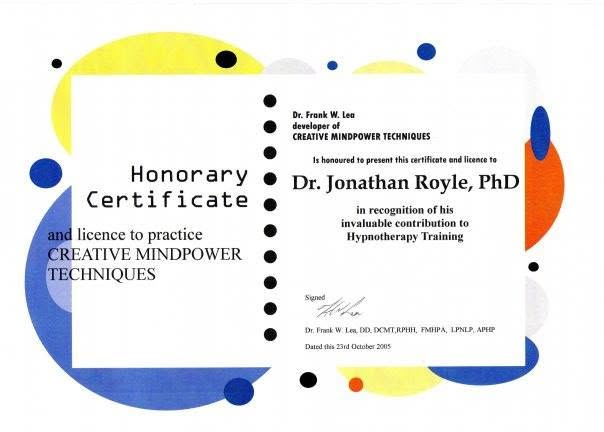
EXPOSED: Why Real World Experience & Success combined with Practical Skills and Results Matter Far More Than Hypnotherapy Certificates & Accreditations by Glorified Boys Clubs

After years of hearing & seeing comments from people who frankly should have known better trying to criticise my Hypnosis Courses because they were not and are not accredited by The General Hypnotherapy Standards Council (GHSC) or the General Hypnotherapy Register
EXPOSED: What Did The Late Stage Hypnotists & Hypnotherapists Ormond McGill, Gil Boyne, Tom Silver & Peter Casson all Admit to Jonathan Royle?

EXPOSED: What Did The Late Stage Hypnotists & Hypnotherapists Ormond McGill, Tom Silver, Gil Boyne & Peter Casson all Admit to Jonathan Royle?