From Rochdale to Liverpool for Justice: My Review of the Hacked Off & Hillsborough Law Now Rally
Hillsborough Law, press reform, media abuse — and why I believe the fight for truth and justice is far from over
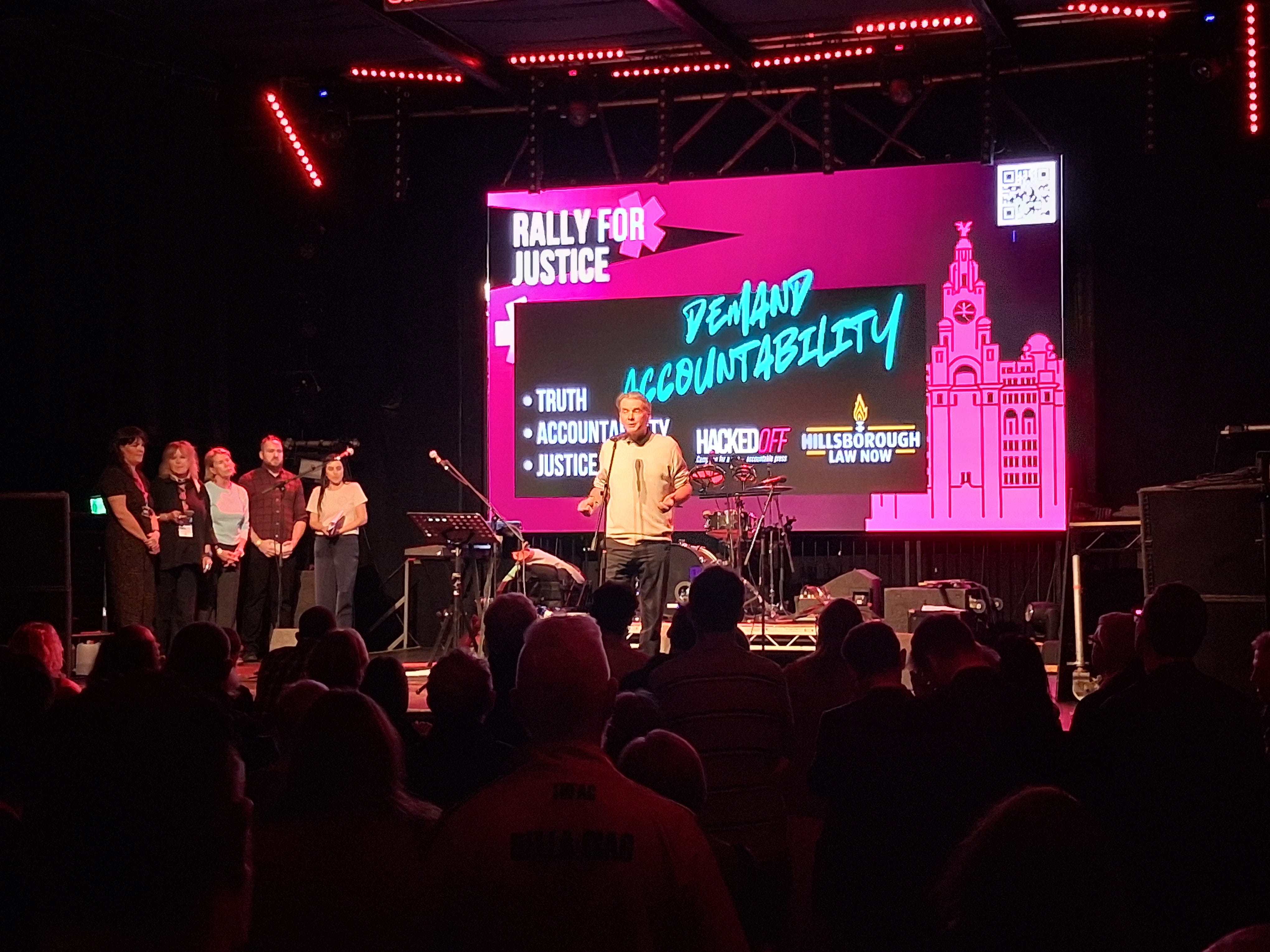
On Monday 28 September 2026, I made the journey from Rochdale to Liverpool to attend the Hacked Off & Hillsborough Law Now Rally for Justice, held at Camp and Furnace during the Labour Party Conference.
It was a journey I undertook despite being in considerable pain.
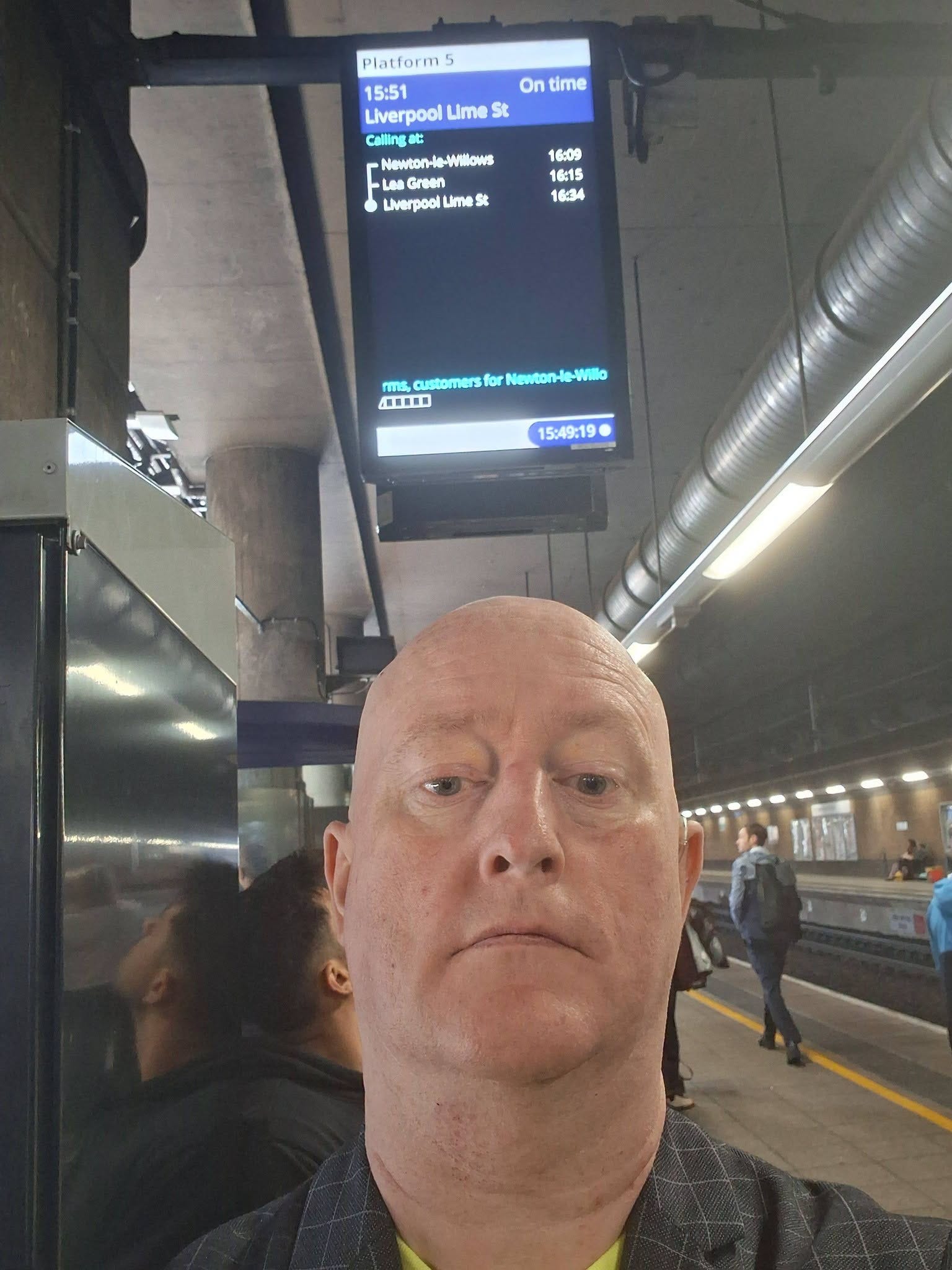
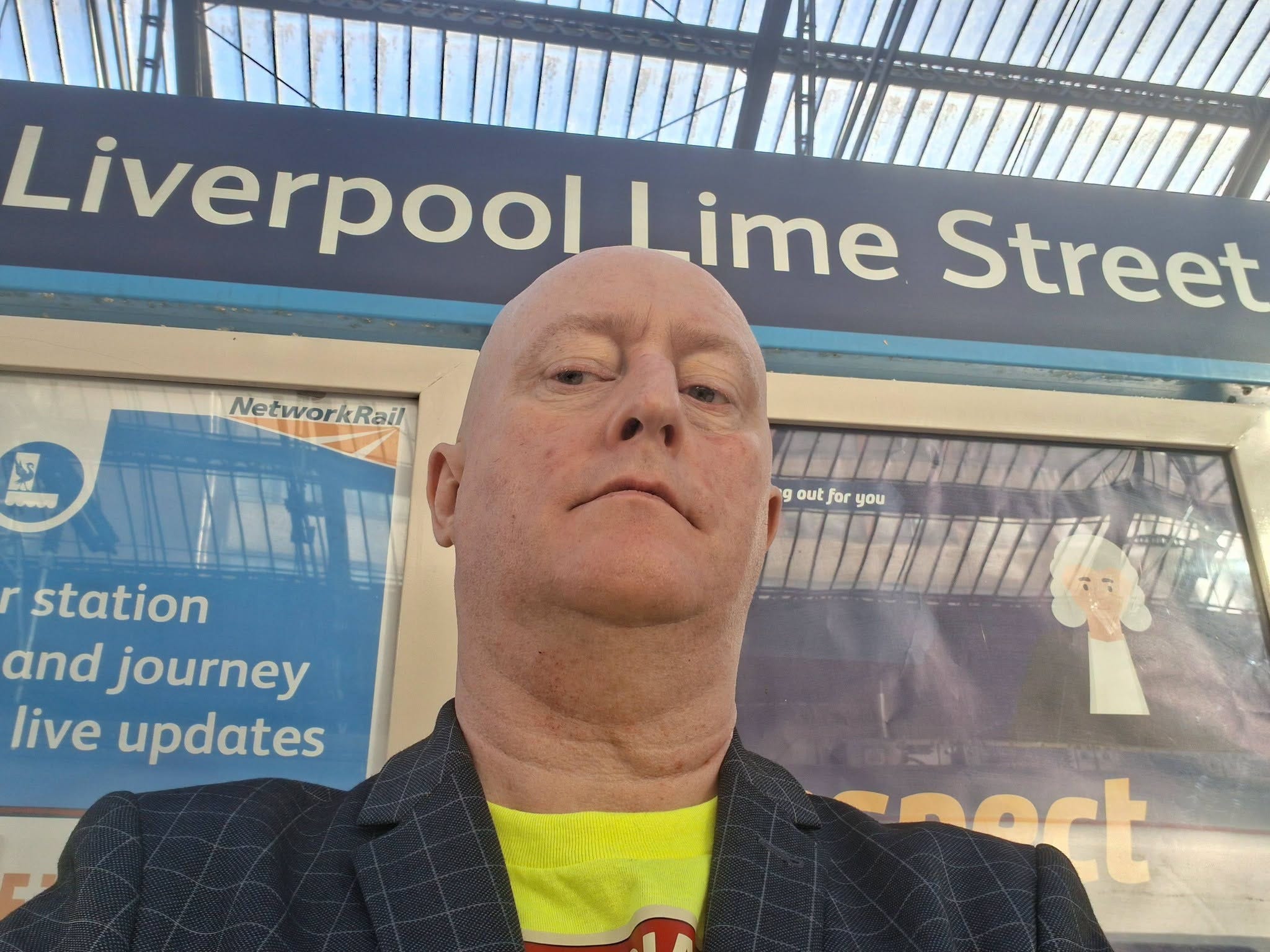
Because of my FND, Fibromyalgia and other health problems, travelling can be extremely difficult for me, and on this occasion the journey left me in extreme pain. I travelled by tram from Rochdale to Manchester Victoria, then by train to Liverpool Lime Street, before taking an Uber to Camp and Furnace.
But there are some causes for which I am prepared to push myself.
For me, press reform is one of them.
Disabled Hypnotist & Magician with Disabilities Reveals Facts about FND = Functional Neurological Disorder, Fibromyalgia & Sleep Apnoea

One thing I do know for certain is that Laughter can be a great natural remedy for people like myself who have Chronic Pain and long term illnesses such as Functional Neurological Disorder (FND), Fibromyalgia and indeed many other things.
As somebody who has personally experienced what I regard as the devastating consequences of media abuse, lies and unlawful conduct — including the actions of the disgraced former News of the World and Sun on Sunday journalist Mazher Mahmood, the so-called “Fake Sheikh” — I believe it is important that victims continue to make their voices heard.
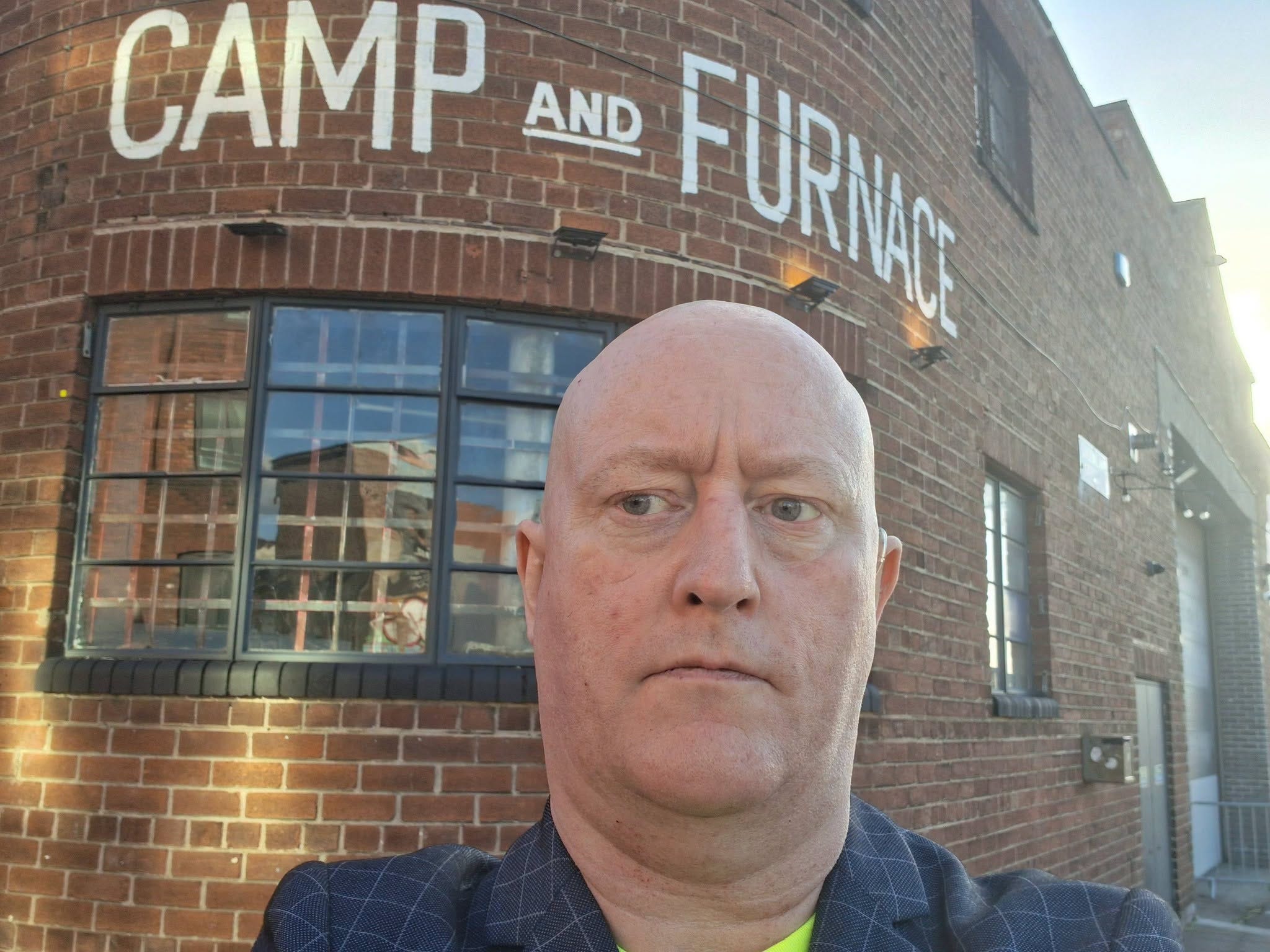
That is why, whenever I am physically able to do so, I try to attend events where these issues are being discussed.
And this was certainly an event with plenty to discuss.
A rally bringing together Hillsborough and press-reform campaigns
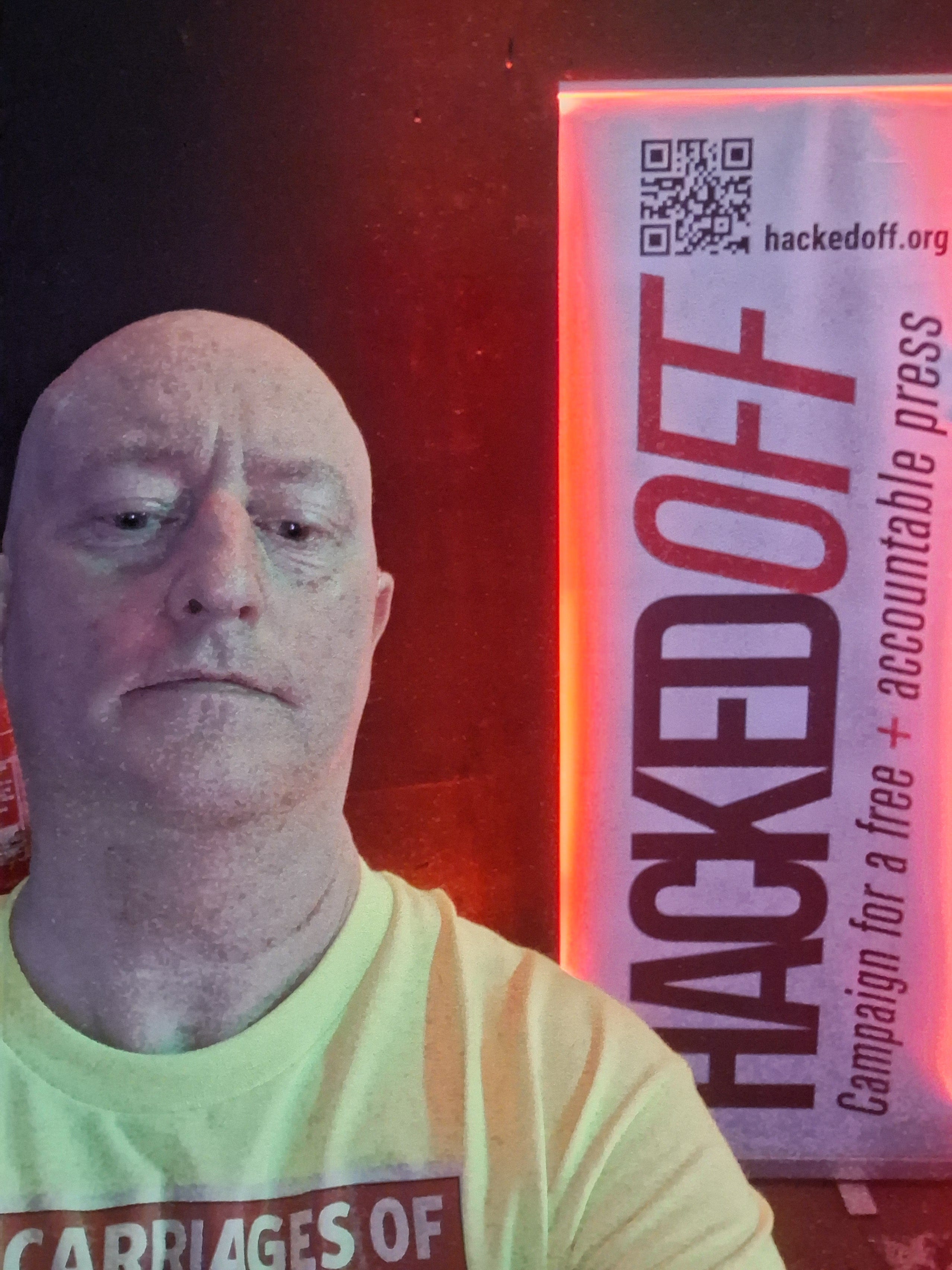
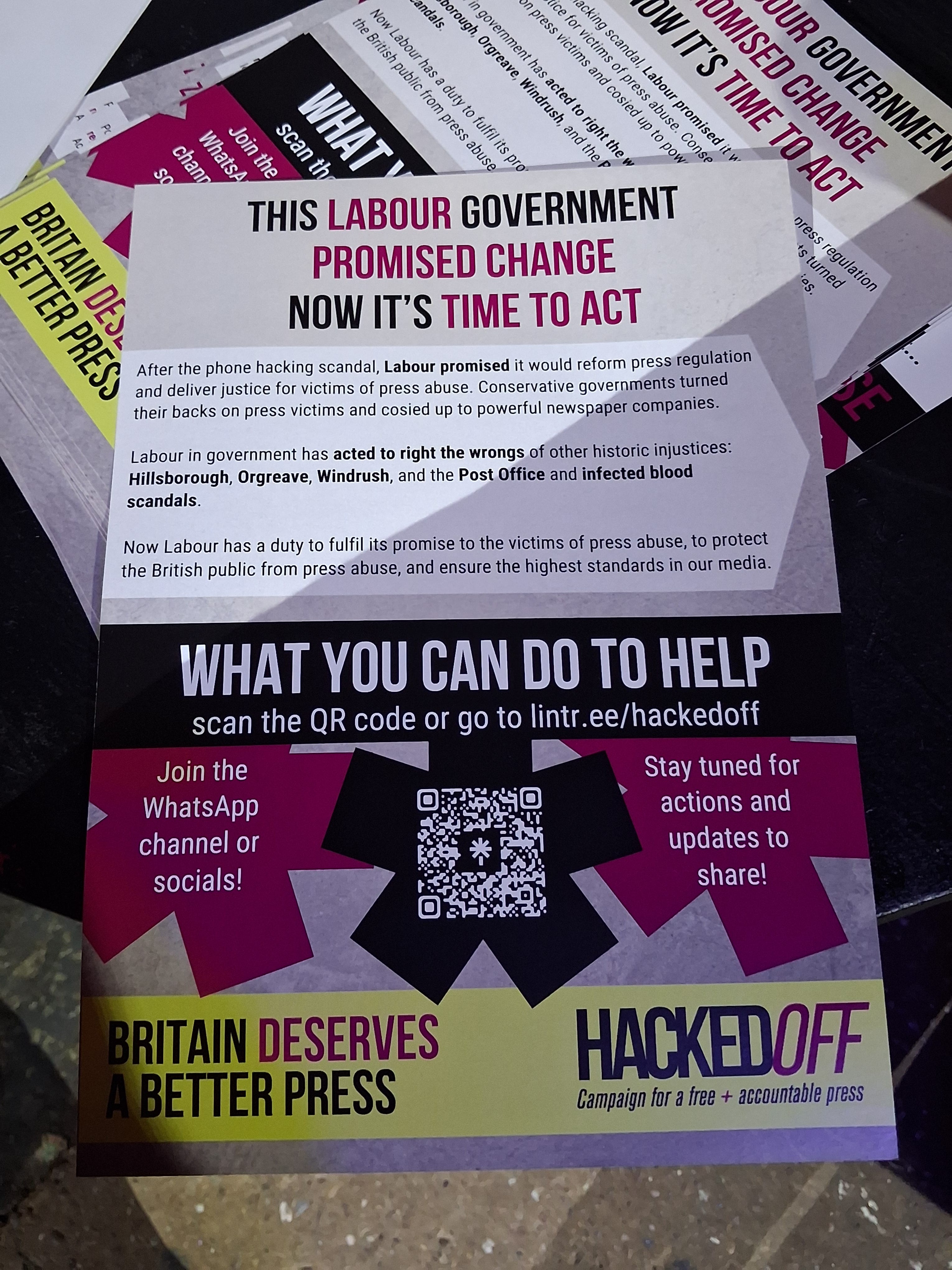
The event was organised by Hacked Off and Hillsborough Law Now, and was promoted as a major fringe event during Labour Conference.
The organisers described it as a celebration of the progress made towards the Hillsborough Law while also calling on the government to “finish the job” on press reform. The advertised programme promised campaigners, survivors, ministers and well-known supporters, together with live music and an evening of entertainment.
It was originally promoted as an event featuring Hugh Grant and other supporters.
Sadly, Hugh Grant was unable to attend because, as I understand it, his father was ill.
Nevertheless, there was an impressive collection of speakers.
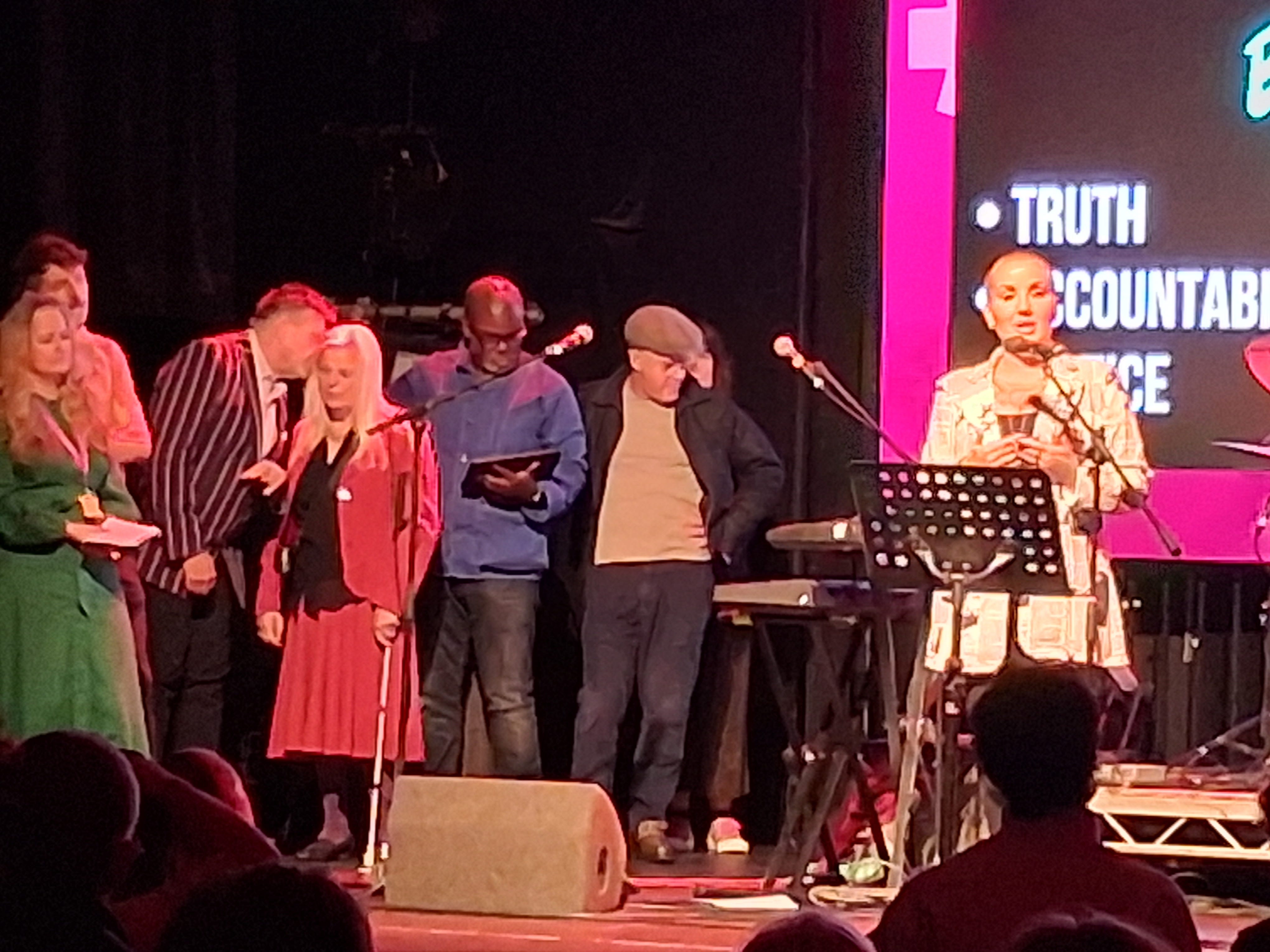
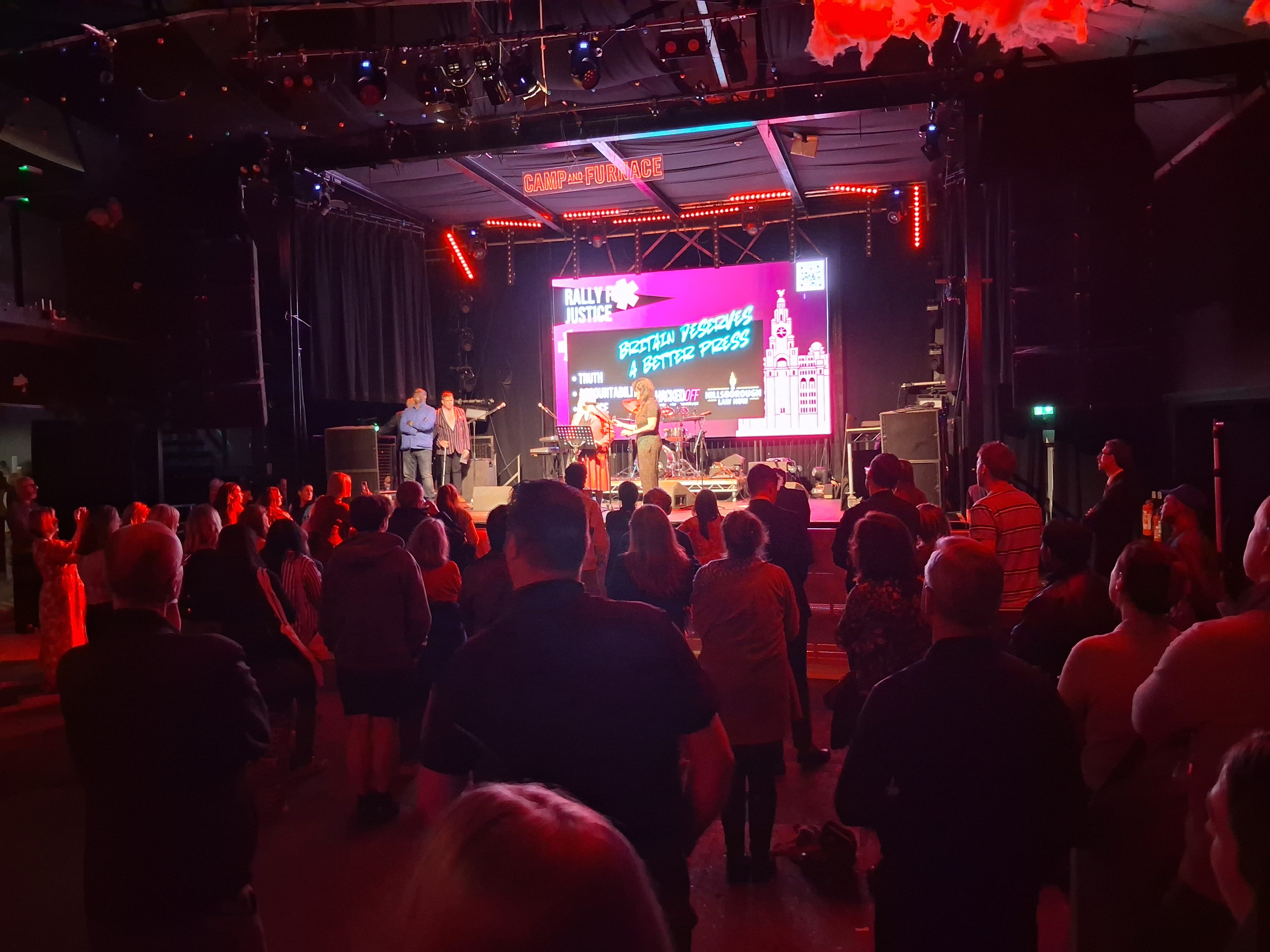
Among those I saw were Christine Flack, mother of the late television presenter Caroline Flack, Kerry Katona and Dr Evan Harris, together with Hillsborough campaigners, MPs, victims of phone hacking and media abuse, and other campaigners for justice.
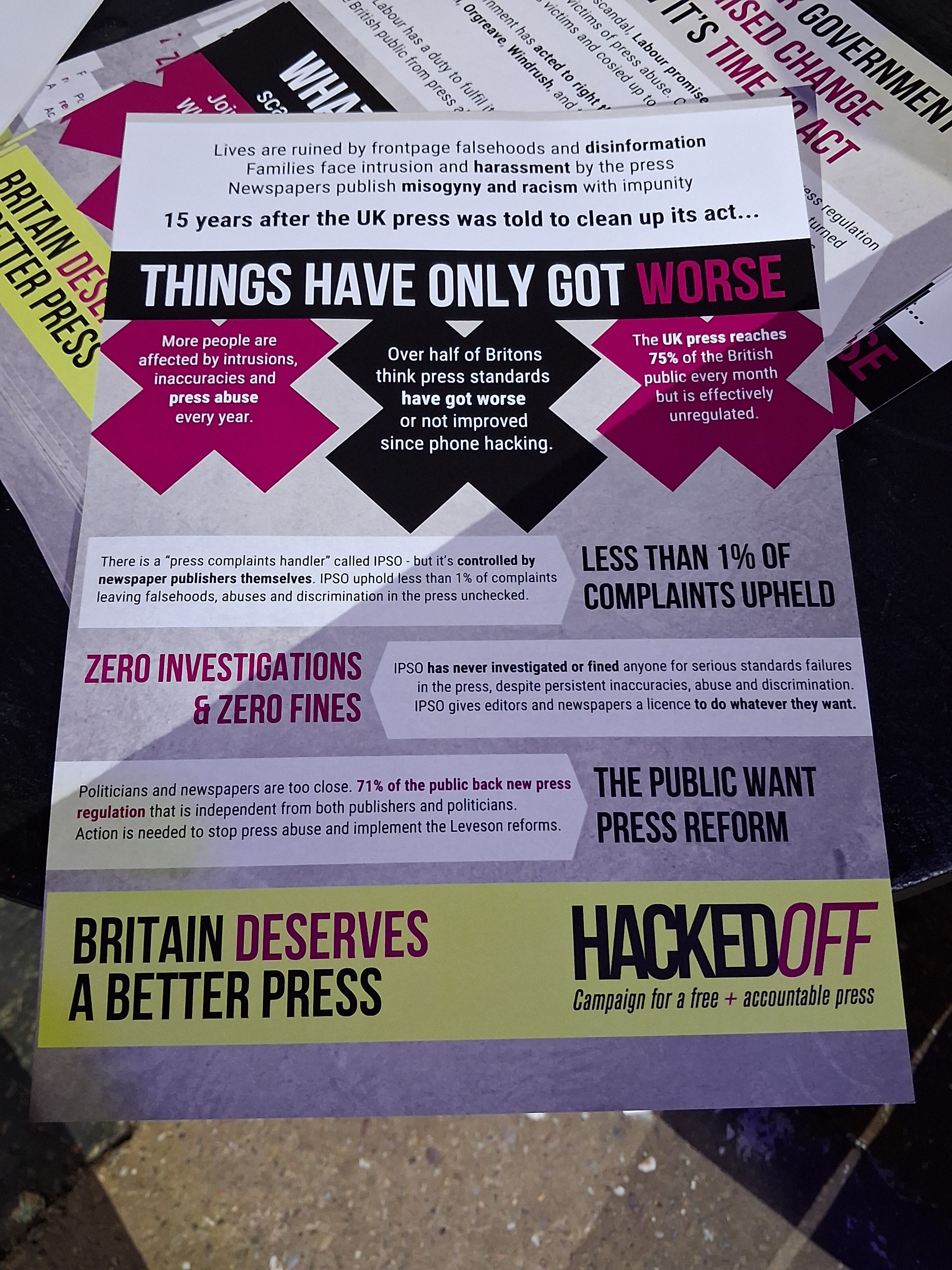
The range of personal experiences represented in that room was considerable.
These were not simply abstract discussions about “media regulation”.
For many of the people speaking, these issues have affected their families, their careers, their reputations, their livelihoods and, in some cases, their entire lives.
That is what made the event important.
Hillsborough Law: an important piece of unfinished business
The Public Office (Accountability) Bill, widely known as the Hillsborough Law, is intended to address some of the systemic problems exposed by Hillsborough and other cases involving public authorities.
The Bill includes provisions for a statutory duty of candour and assistance on public authorities and officials, alongside measures concerning ethical conduct, misleading the public and legal representation for bereaved families.
As of the rally, however, it was still a Bill going through Parliament rather than an Act of Parliament.
It had been introduced in the Commons in September 2025, subsequently passed the Commons, and had reached the House of Lords, where its second reading took place on 1 September 2026. Parliamentary records show that further Lords scrutiny was scheduled to continue from October.
I sincerely hope that the legislation completes its parliamentary journey and that its fundamental principles are not diluted in the process.
The very idea that public authorities should have a legal duty to tell the truth, provide assistance and properly cooperate with investigations and inquiries ought to be central to any justice system worthy of the name.
The history of Hillsborough demonstrates why.
And Hillsborough is not an isolated story.
There have been numerous other cases in which bereaved families, victims and wrongly convicted people have spent years — sometimes decades — fighting to obtain information that should have been available to them in the first place.
That is why Hillsborough Law matters far beyond Hillsborough itself.
My own reason for being there
For me, however, there was another very personal reason for attending.
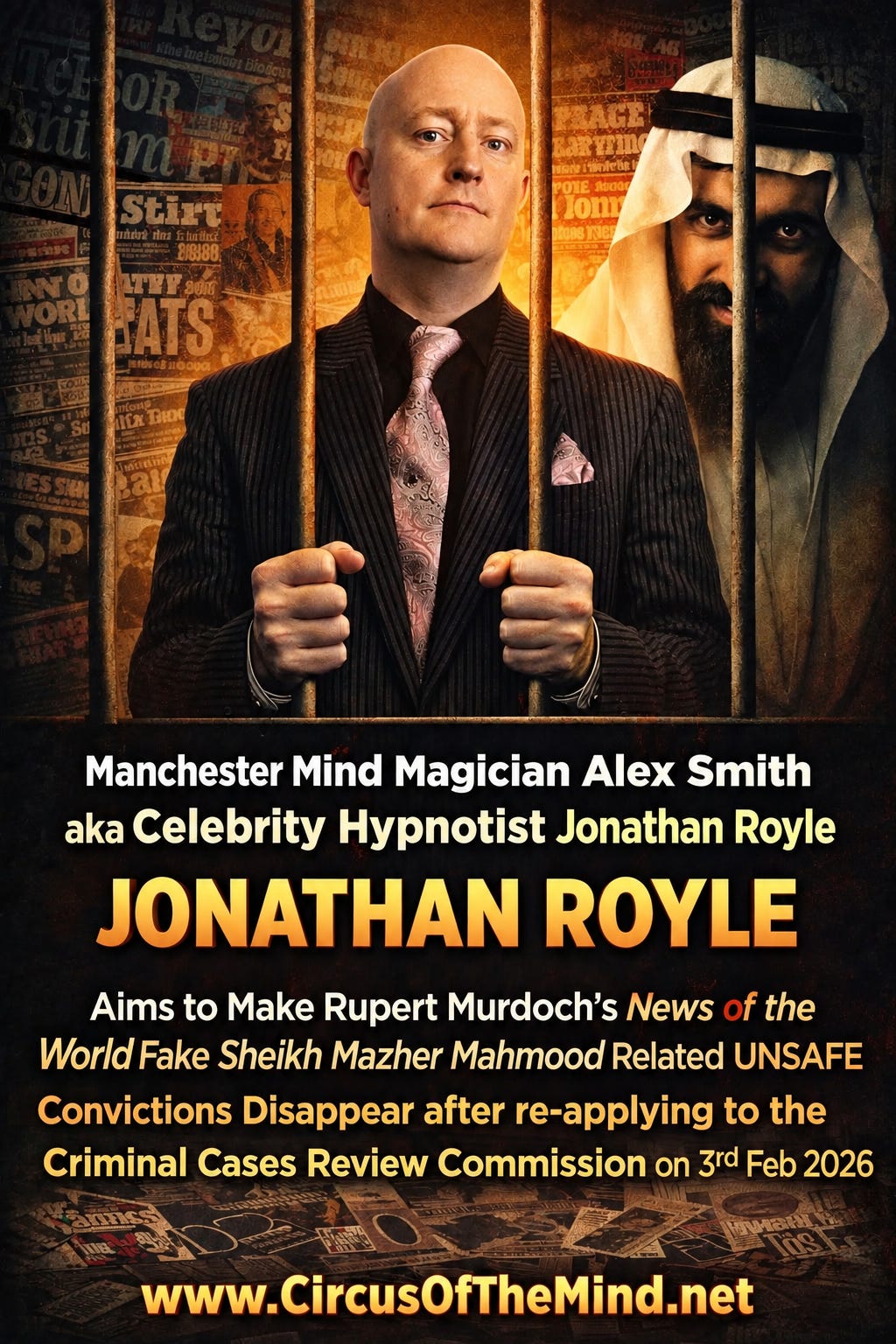
I am a victim of what I believe to have been serious media abuse, including phone hacking and lies connected with the activities of Mazher Mahmood.
The consequences for me have gone far beyond unpleasant newspaper coverage.
I have spent years fighting what I believe to be a miscarriage of justice and wrongful conviction arising from perjurious & defamatory allegations and unlawful actions, compounded, in my view, by malicious prosecution and serious disclosure failures.
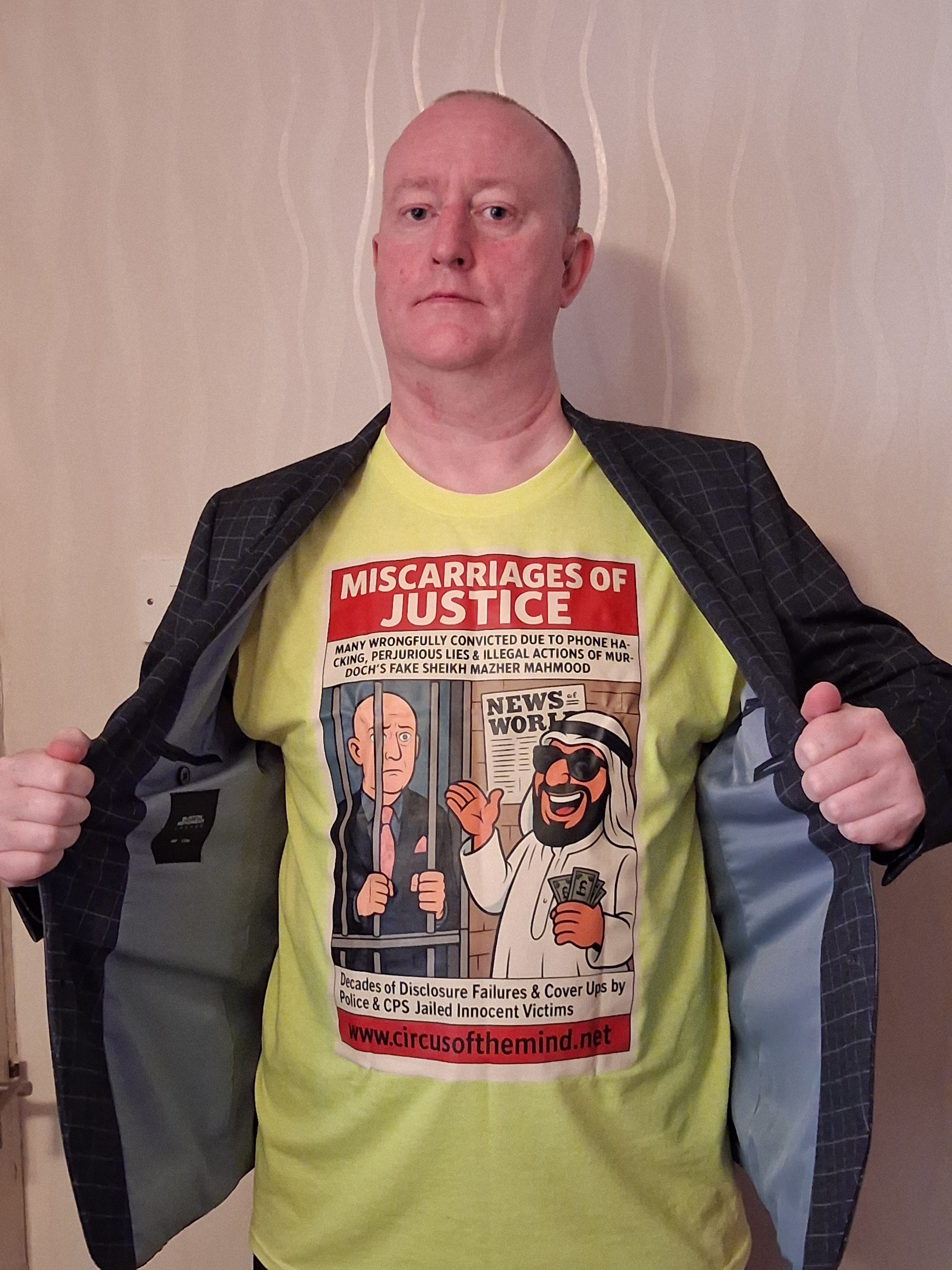
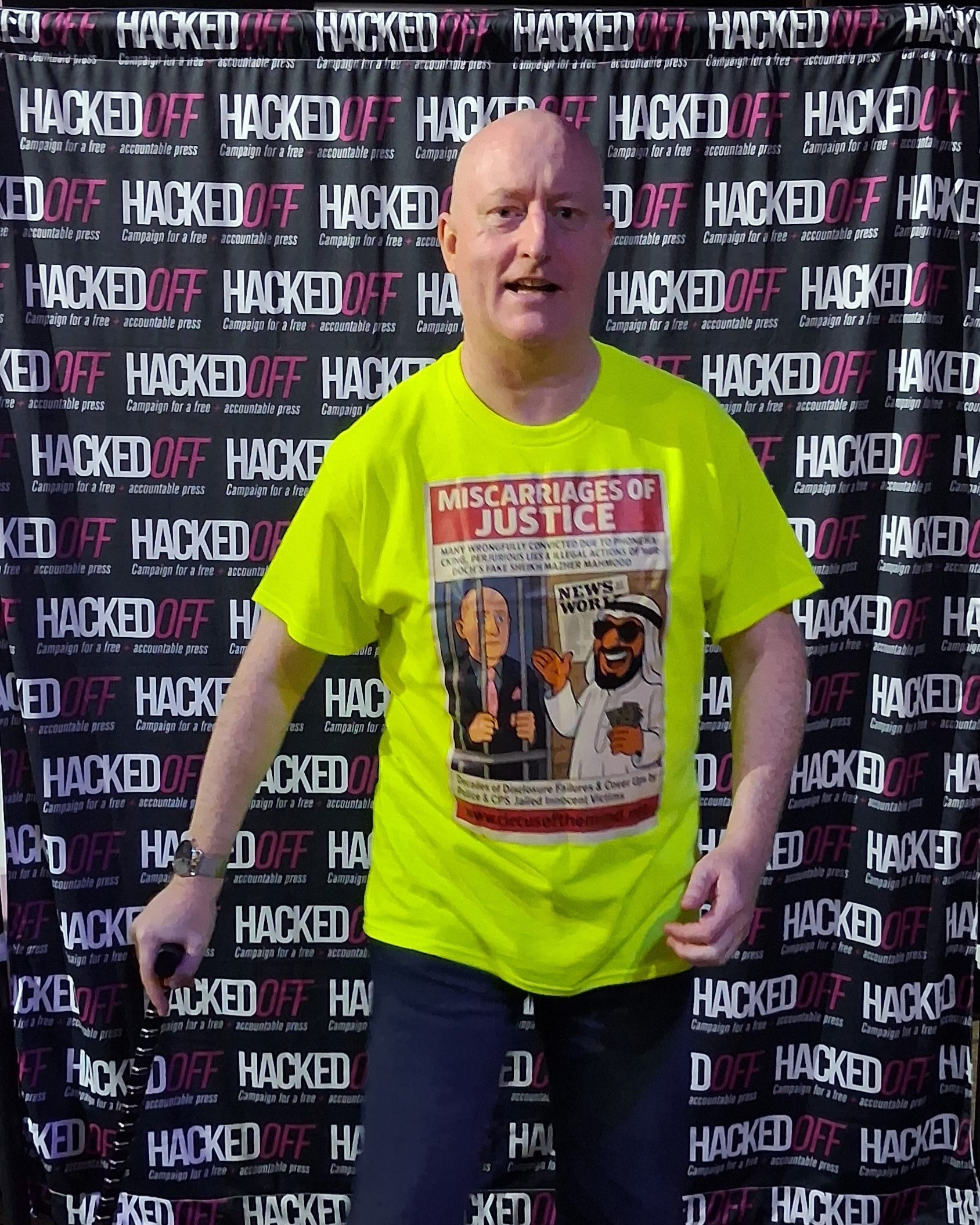
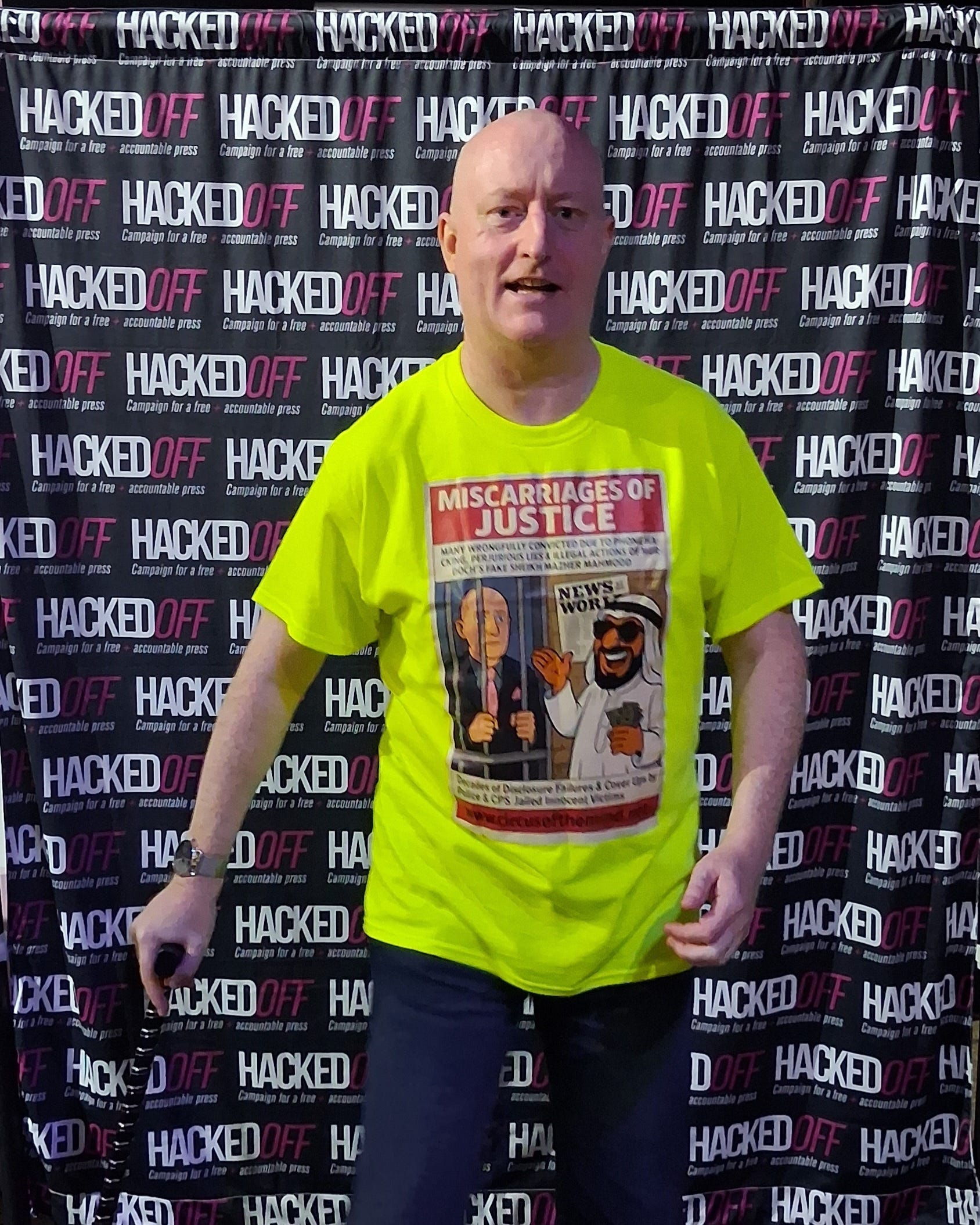
That is why I wore my Circus of the Mind T-shirt to the rally.
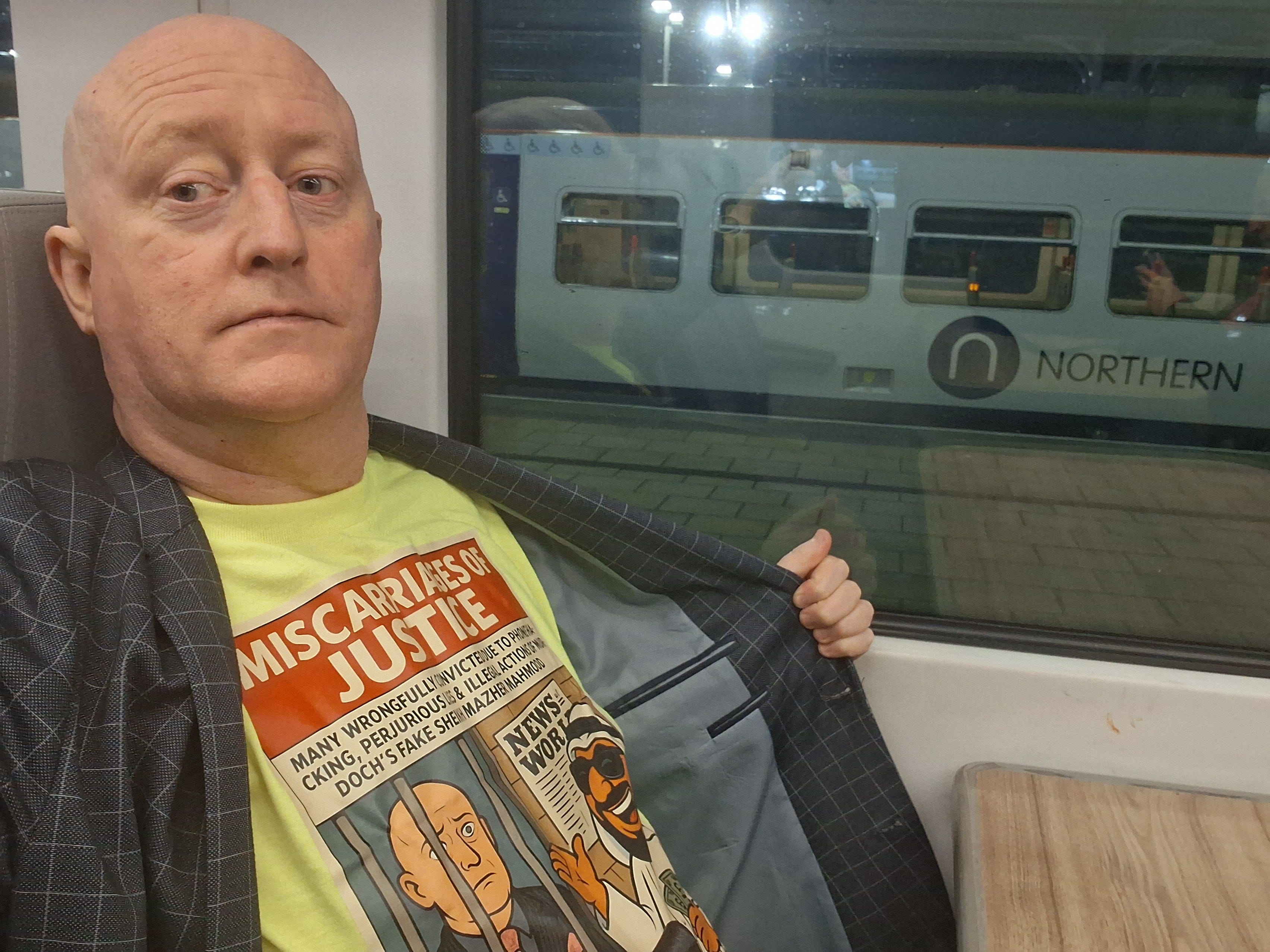
My website, www.circusofthemind.net, exists in part to tell my story and to keep attention focused on the issues surrounding wrongful convictions, miscarriages of justice and the conduct of those involved.
I wanted people at the event to see that shirt.
Not because I wanted to hijack the rally.
Quite the opposite.

I wanted to make the connection between the different campaigns visible.
Because whether the issue is Hillsborough, phone hacking, press abuse, wrongful convictions or failures by public authorities, there is a common underlying question:
What happens when powerful institutions fail to tell the truth — and ordinary people are left to fight for justice themselves?
That is a question which deserves serious answers.
There was an elephant in the room: Leveson Part 2
One of the issues I particularly wanted to see discussed was the continuing question of Part 2 of the Leveson Inquiry.
The original Leveson Inquiry was established following the phone-hacking scandal and Part 1 examined the culture, practices and ethics of the press. Part 2 was intended to examine further alleged wrongdoing in the press and police, including matters surrounding the original police investigation.
The government ultimately decided in 2018 to terminate the inquiry without holding Part 2.
I remain firmly of the view that this needs to be revisited.
That is particularly important from my perspective because my own experience involves allegations of media wrongdoing which I believe go far beyond simply asking whether somebody’s voicemail was unlawfully accessed.
There are wider questions about the relationship between journalists, police, prosecutors, public authorities and the justice system.
Those questions deserve proper scrutiny.
And they should not simply disappear because the passage of time makes them inconvenient.
Interestingly, there is also a personal connection here involving Prime Minister Andy Burnham.
Burnham has himself been one of the politicians who brought a claim against News Group Newspapers in relation to alleged unlawful information gathering, and his claim was among those resolved in the later litigation.
This is not merely ancient history.
The consequences of the phone-hacking scandal and the wider questions about press accountability continue to work their way through the courts and public debate.
For those of us who have experienced media abuse personally, the argument that the country should simply “move on” is not particularly persuasive.
Sir Brian Leveson and the unfinished questions
One of the reasons I believe Part 2 remains important is that the original inquiry was never simply about one newspaper or one particular method of obtaining information.
Part 2 was intended to address broader questions about wrongdoing in the press and the police.
Indeed, the parliamentary record confirms that correspondence between Sir Brian Leveson and ministers concerning the future of Part 2 was formally deposited in Parliament in 2018.
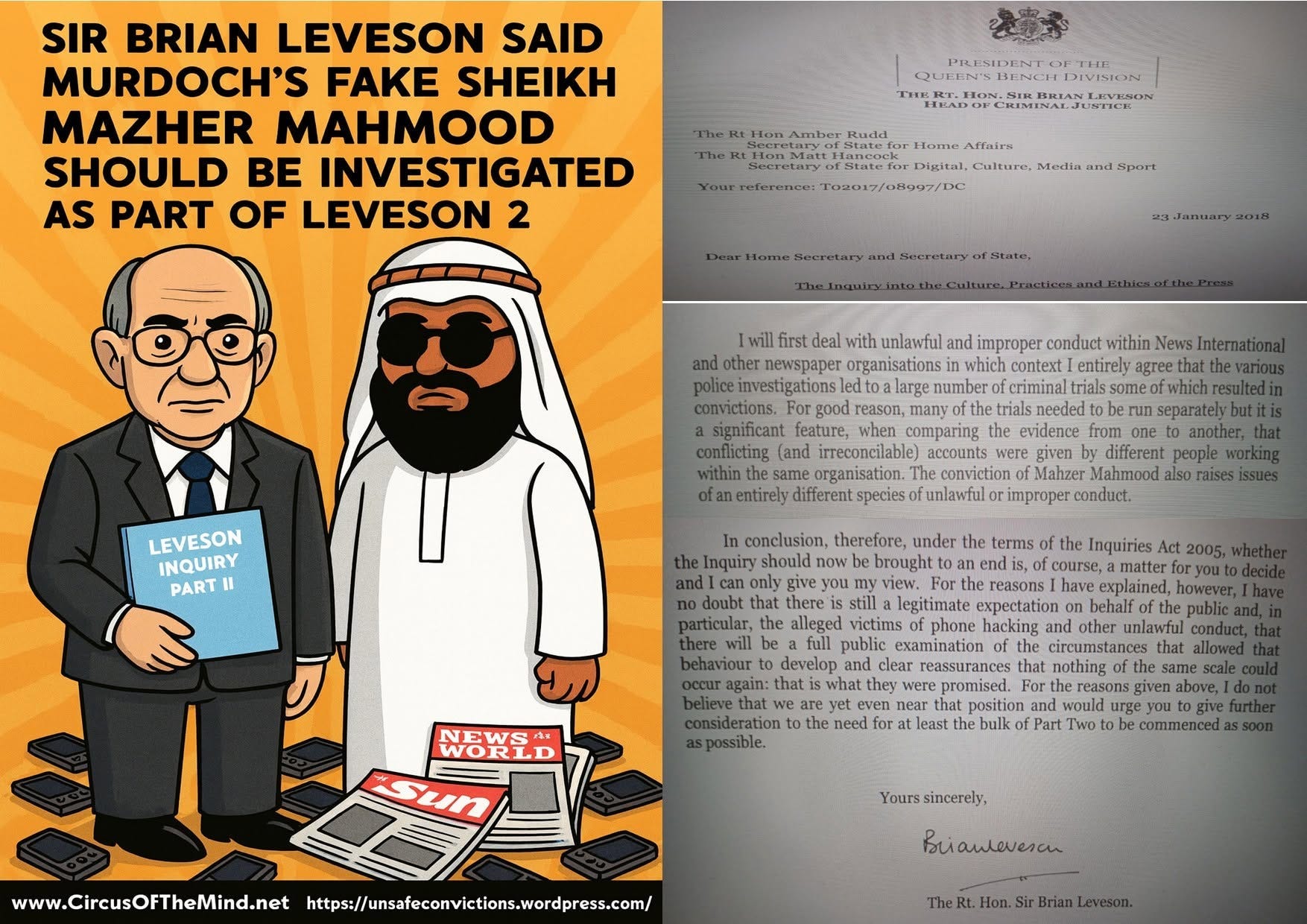
For me, the unanswered questions include what happened in individual cases, how information was obtained, who knew what and when, how the police responded, how prosecutors handled relevant material and whether disclosure obligations were properly fulfilled.
Those are questions which matter enormously to anybody who has spent years fighting a miscarriage of justice.
They also matter to society as a whole.
Because justice cannot depend upon how much money, influence, persistence or publicity an individual victim happens to possess.
The event itself: some constructive criticism
Having said all of that, I also want to be honest about the event itself.
I attended as an experienced live entertainer as well as a campaigner and victim of media abuse.
And from that perspective, I felt there were some lessons which could perhaps be learned for future events.
The event was busy, but the room was not completely full.
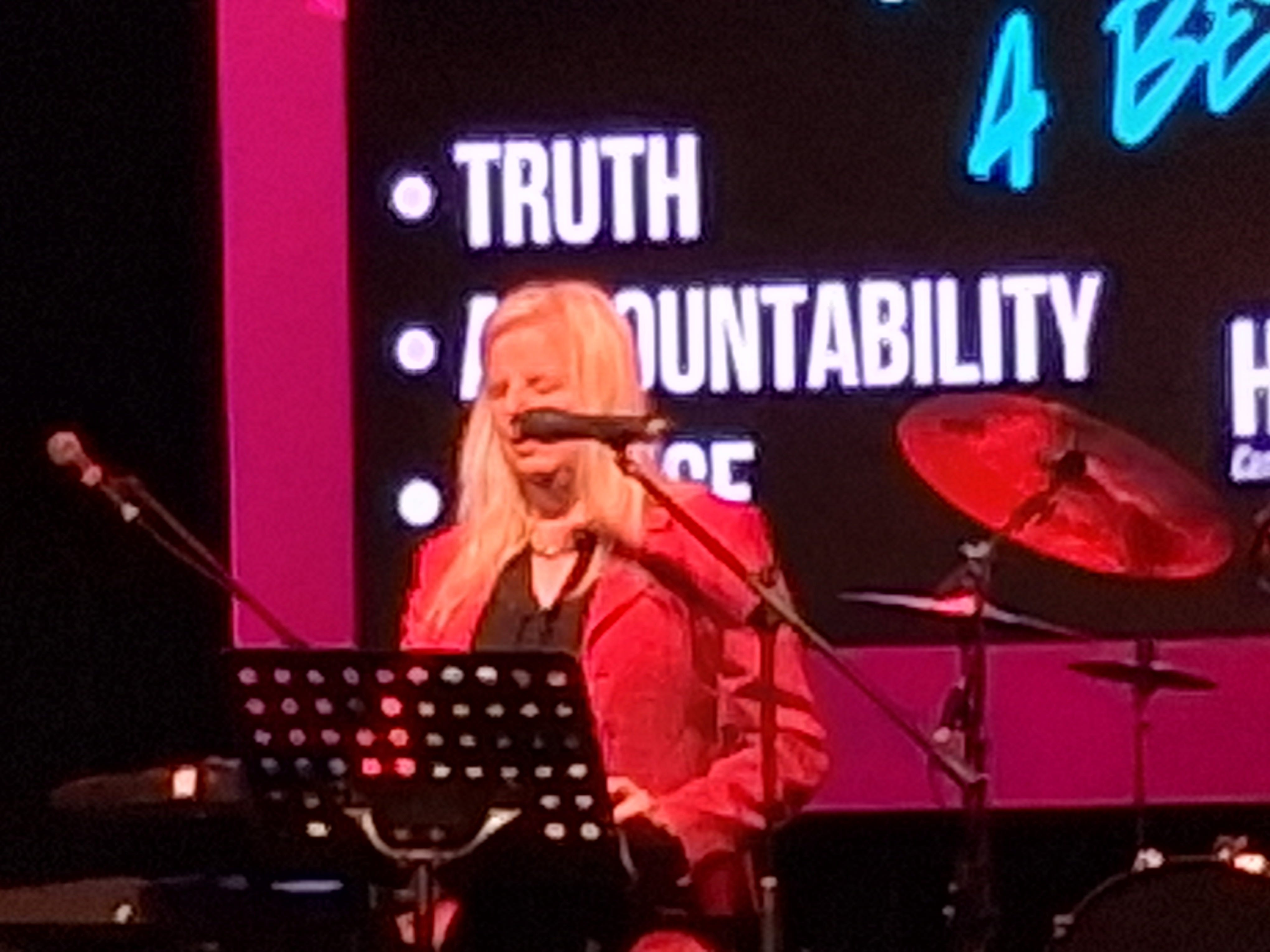
As a result, people were spread around the venue, with noticeable gaps between groups.
And once an audience becomes physically dispersed, it can become much more difficult to maintain collective attention.
At various points people nearer the middle and rear of the room began drifting into their own conversations.
Indeed, at least one speaker openly acknowledged that “we are losing the room.”
That was a shame.
Because the speakers had important things to say.
The importance of the compere
This is where I think the role of the compere becomes particularly important.
John May was chosen to host and introduce the event, presumably in part because of his Liverpool connections and his experience as a comedian and performer.
He was friendly and clearly doing his best.
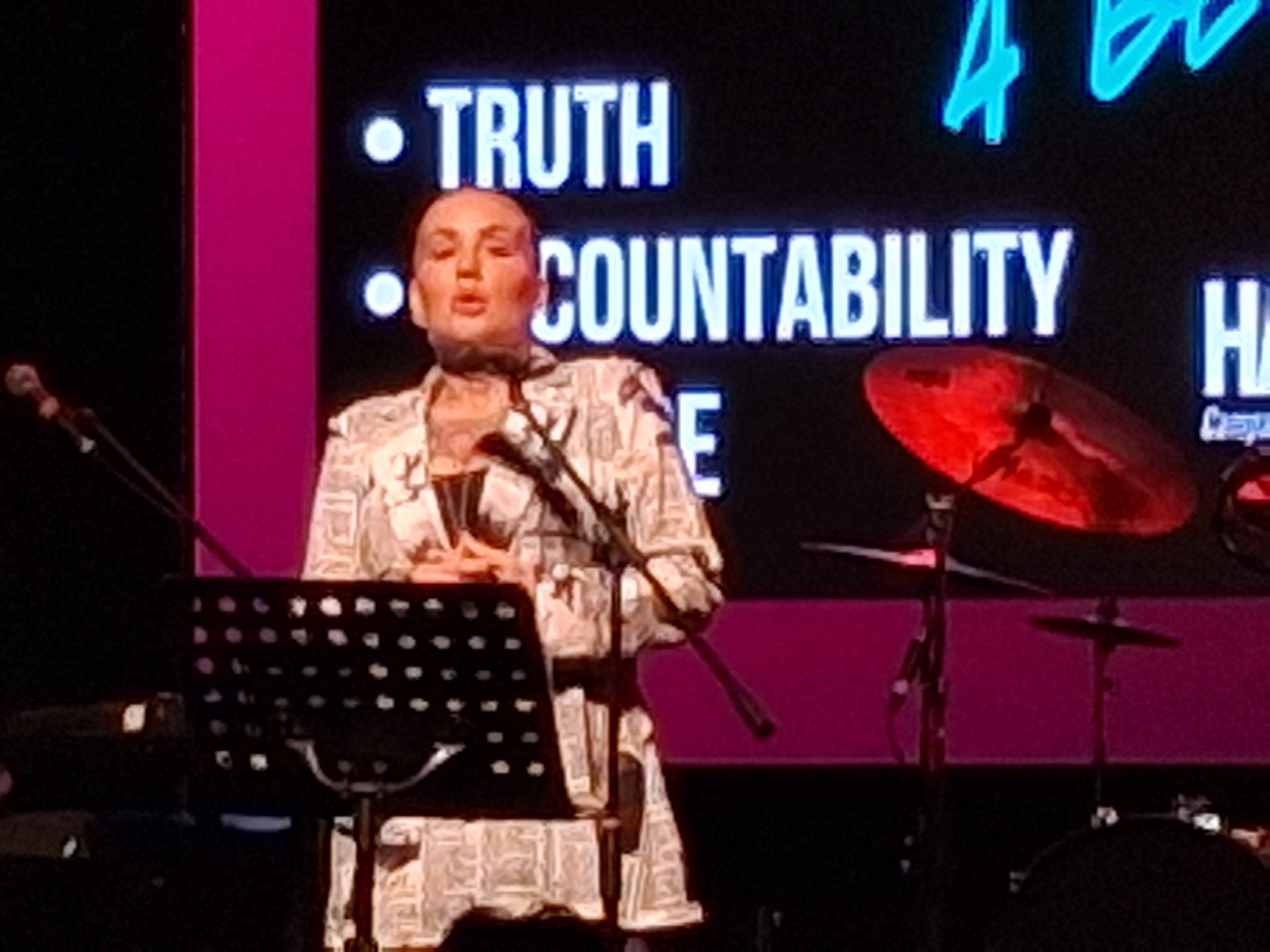
But, in my personal opinion as somebody who has been performing live for fast approaching 50 years, the role required a rather different type of experience.
A political campaigning rally involving numerous speakers, campaigners, victims and performers is not quite the same thing as a conventional comedy or entertainment event.
The compere has to manage the room as well as introduce the speakers.
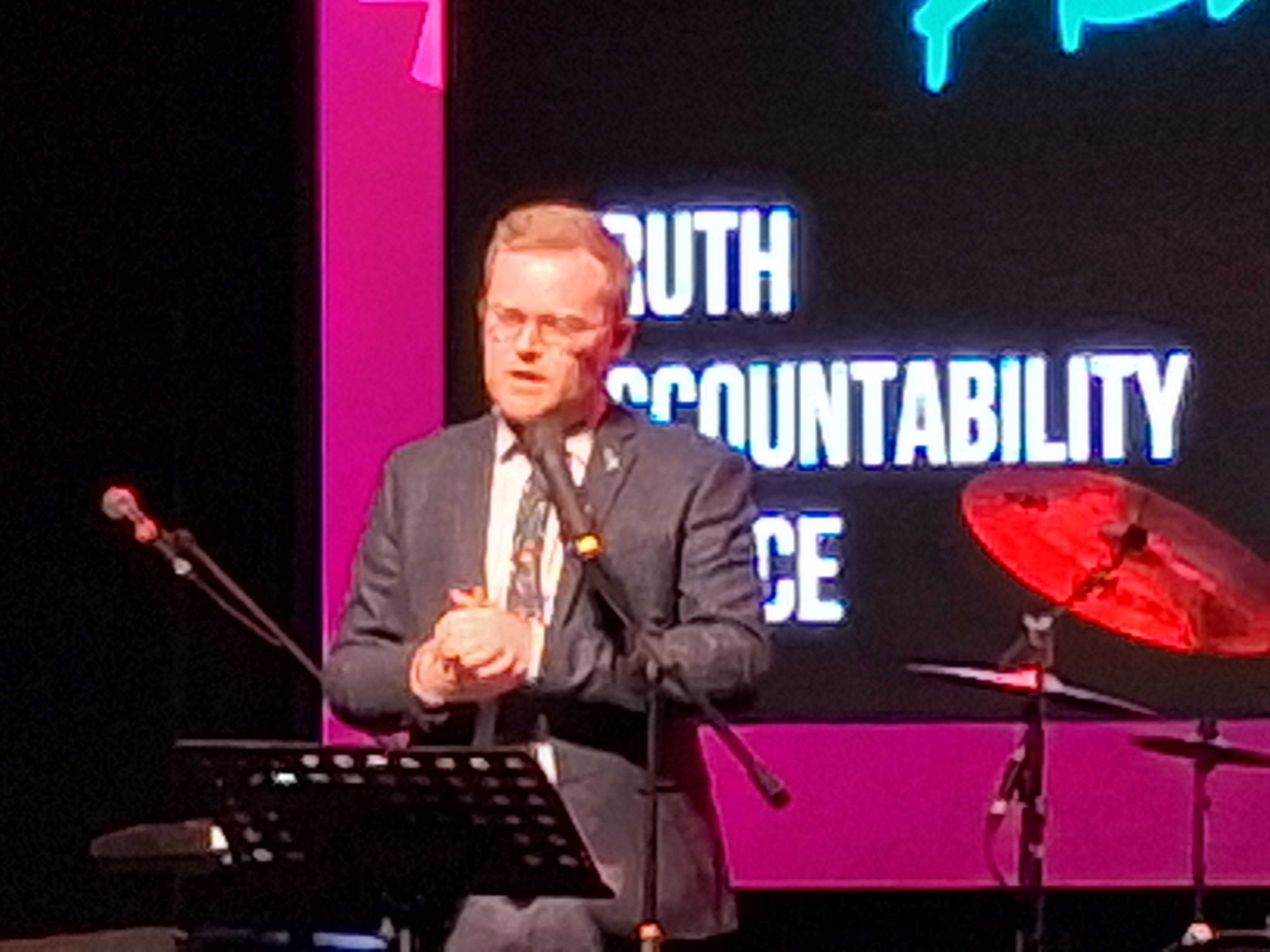
They need to sense when attention is beginning to drift, when the energy is falling, when somebody has spoken for too long, when the audience needs bringing back together and when the atmosphere needs changing.
That is a skill in itself.
And I couldn’t help thinking:
I could have done this better.
RESUME FOR MIND MAGICIAN ALEX SMITH aka CELEBRITY HYPNOTIST JONATHAN ROYLE – UPDATED 22nd APRIL 2026

RESUME FOR MIND MAGICIAN ALEX SMITH aka CELEBRITY HYPNOTIST JONATHAN ROYLE – UPDATED 22nd APRIL 2026
Indeed, had the organisers asked me, I would have been very happy to have hosted and compered the event without charging a fee.
Not simply because I have many decades of experience as a variety entertainer, but because I am also personally connected to the issues being discussed.
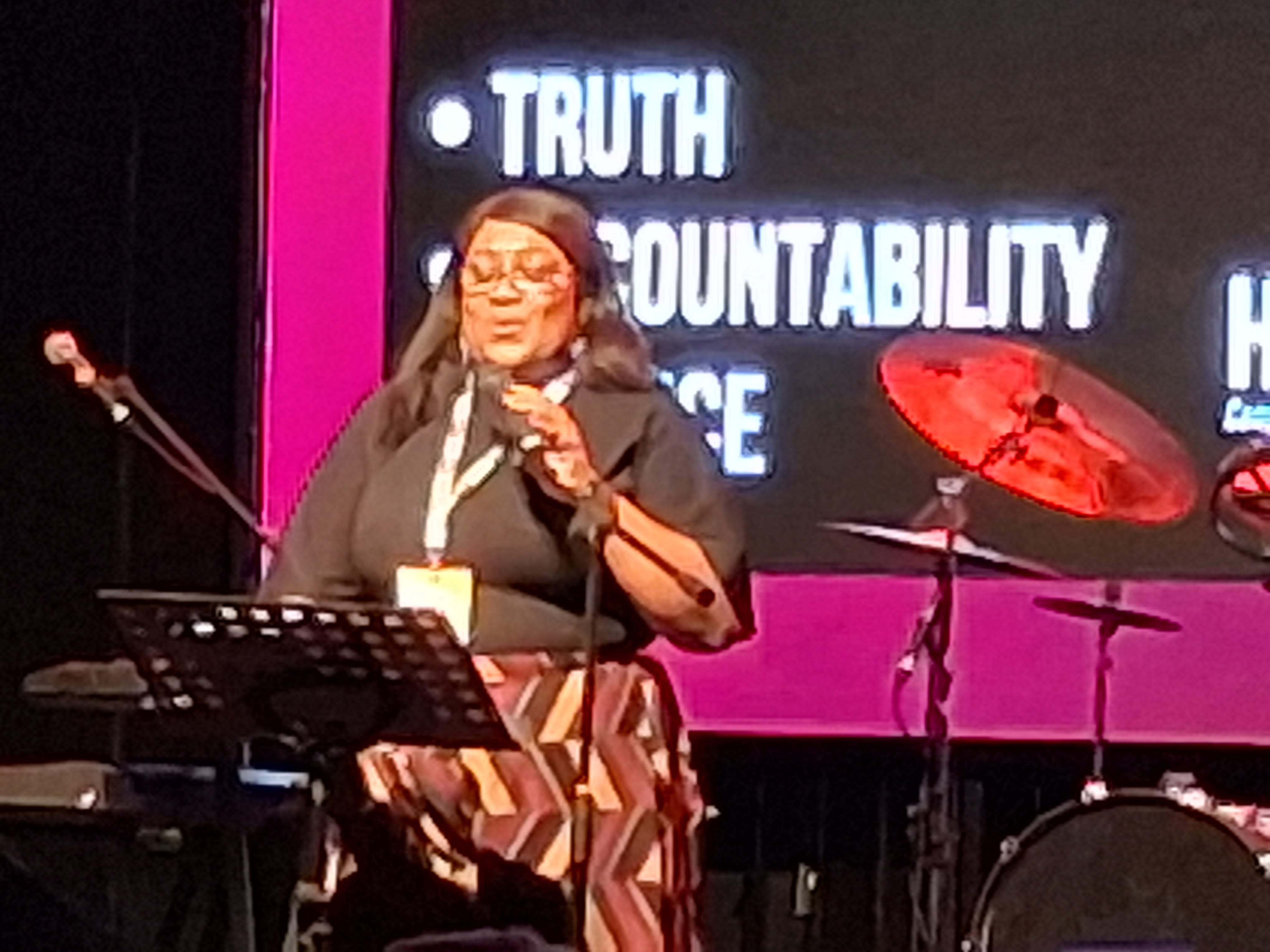
I am not merely somebody who has read about media abuse.
I have lived through the consequences of it.
I could therefore have brought both professional stage experience and my own personal story to the role.
That is not intended as a criticism of John May personally.
It is simply my honest professional assessment of what I saw on the night.
Bring the audience together
There was another simple thing I think could have made a significant difference.
At the beginning, somebody should perhaps have encouraged people to move forward and fill the space nearest the stage.
When an audience is physically together, it is much easier for a speaker to maintain a sense of connection.
When people are scattered around a large venue, conversations can develop in isolated pockets.
The atmosphere becomes fragmented.
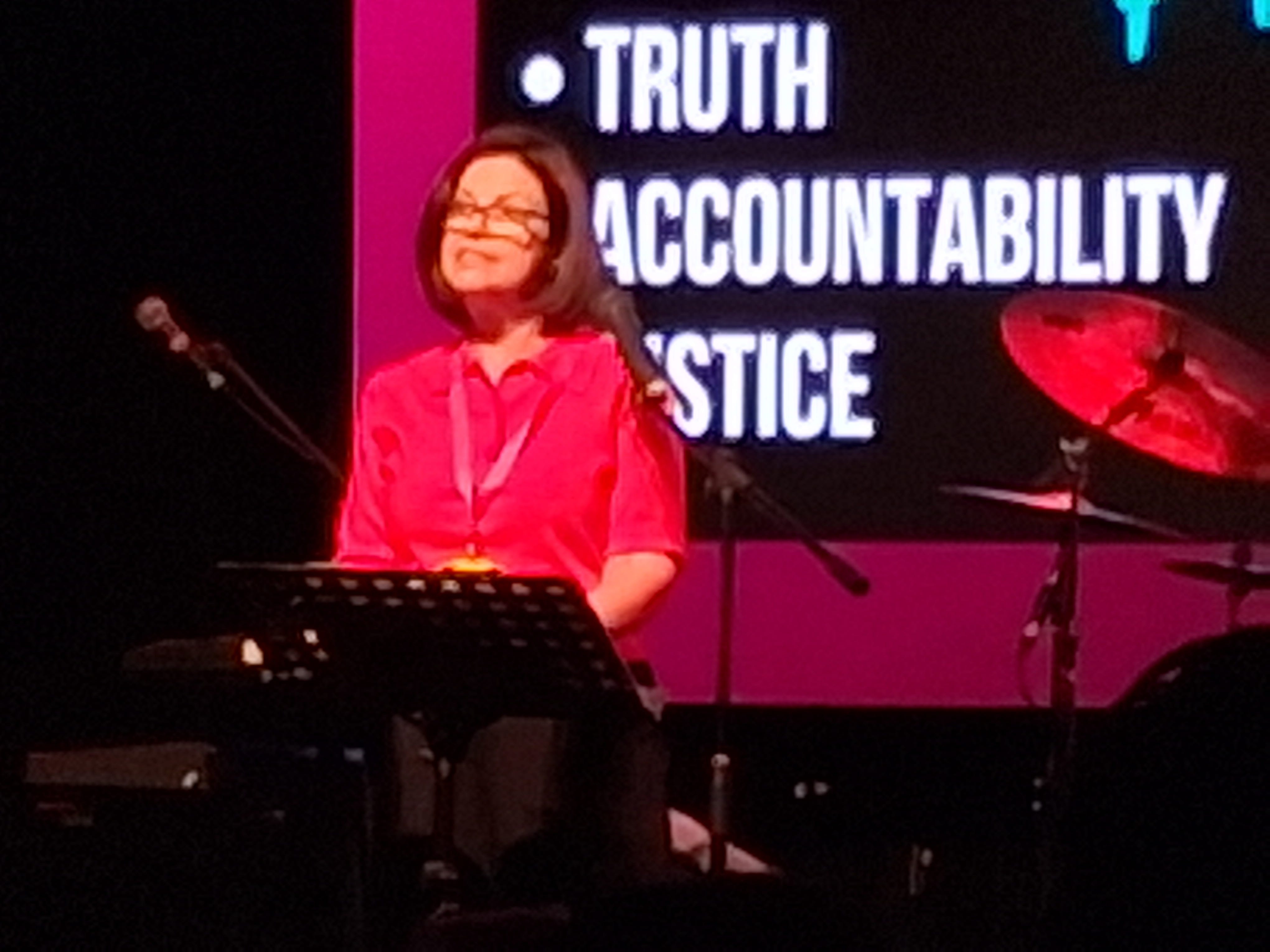
For a future event of this type, I would strongly recommend treating the audience itself as part of the production.
Get everybody closer together.
Keep the energy concentrated around the stage.
Make the event feel like one collective gathering rather than a series of separate groups listening to something happening at the front.
These may sound like small details.
For a live event, they aren’t.
Too many speakers without enough breathing space?
The other issue was the sheer number of speakers.
There was a huge amount of material to get through.
And much of it was important.
But sometimes too much important material can actually reduce the impact.

A speaker can be saying something profoundly significant, but if the audience has already listened to speaker after speaker for a considerable period, concentration inevitably becomes harder.
I wondered whether a future event might work better if divided into two halves.
For example:
First half: Hillsborough Law and the fight for public accountability.
Short musical interval: perhaps two or three songs to reset the atmosphere.
Second half: press reform, phone hacking, media abuse and the experiences of victims.
That would provide the audience with a psychological and atmospheric reset while retaining the substance of the event.
And with live music already forming part of the programme, there was an obvious opportunity to use it in that way.

The speakers still mattered
Despite those criticisms, I don’t want them to obscure what was good about the evening.
There were some extremely powerful contributions.
Hearing people affected by Hillsborough and media abuse speak about their experiences is something which cannot easily be reduced to statistics or political slogans.
Christine Flack’s presence was particularly poignant.
So too were the contributions from other people who have experienced the consequences of intrusive, inaccurate or abusive journalism.
Dr Evan Harris also brought his own experience of phone hacking and press reform to the discussion.
These personal testimonies are important because they remind us why these campaigns exist in the first place.
They are not simply about legislation.
They are about people.

Why I made the journey
Perhaps the most important thing I want readers to understand is that I did not make the journey from Rochdale to Liverpool because it was easy.
It wasn’t.
I was already in considerable pain before I left home.
The tram, train and Uber journey made things considerably worse.
But sometimes you have to decide what matters enough to make the effort.
For me, the fight for truth and justice is one of those things.
I have spent years trying to get answers about what happened to me.
I have spent years dealing with the consequences.
And I have spent years trying to make sure that what happened is not simply forgotten.
So when I see Hillsborough families continuing to fight for accountability, when I see victims of phone hacking and press abuse continuing to demand reform, and when I hear people discussing the need for greater transparency and accountability from powerful institutions, I recognise something of my own journey in theirs.
Different cases.
Different circumstances.
But a common determination to obtain the truth.
The fight isn’t over
The Hillsborough Law campaign demonstrates that some injustices can take decades to reach the point where Parliament is finally prepared to legislate.
The continuing debate over press reform demonstrates that the consequences of the phone-hacking era have still not disappeared.
And for people like me, the individual consequences remain very real.
That is why I believe events such as this matter.
They bring campaigners together.
They give victims an opportunity to speak.
They remind politicians that these issues have not gone away.
And they provide an opportunity for people who might otherwise never meet to realise that they are fighting different parts of a much bigger battle.
For me, the message I took away from Liverpool was simple:
Truth matters. Accountability matters. Justice matters. And victims must not be forgotten.
I hope the Hillsborough Law completes its journey through Parliament with its core protections intact.
And I hope the questions surrounding press abuse, unlawful information gathering, police conduct, disclosure failures and the unfinished business of Leveson continue to receive the serious scrutiny they deserve.
Because if the lesson of Hillsborough, phone hacking and the many other scandals of recent decades is anything, surely it is this:
Powerful institutions must never be allowed to mark their own homework.
And when ordinary people are forced to spend years fighting for the truth, society should not ask why they refuse to give up.
It should ask why they had to fight so hard in the first place.
And finally...
I travelled to Liverpool wearing my Circus of the Mind T-shirt because I wanted to make my own small contribution to that conversation.
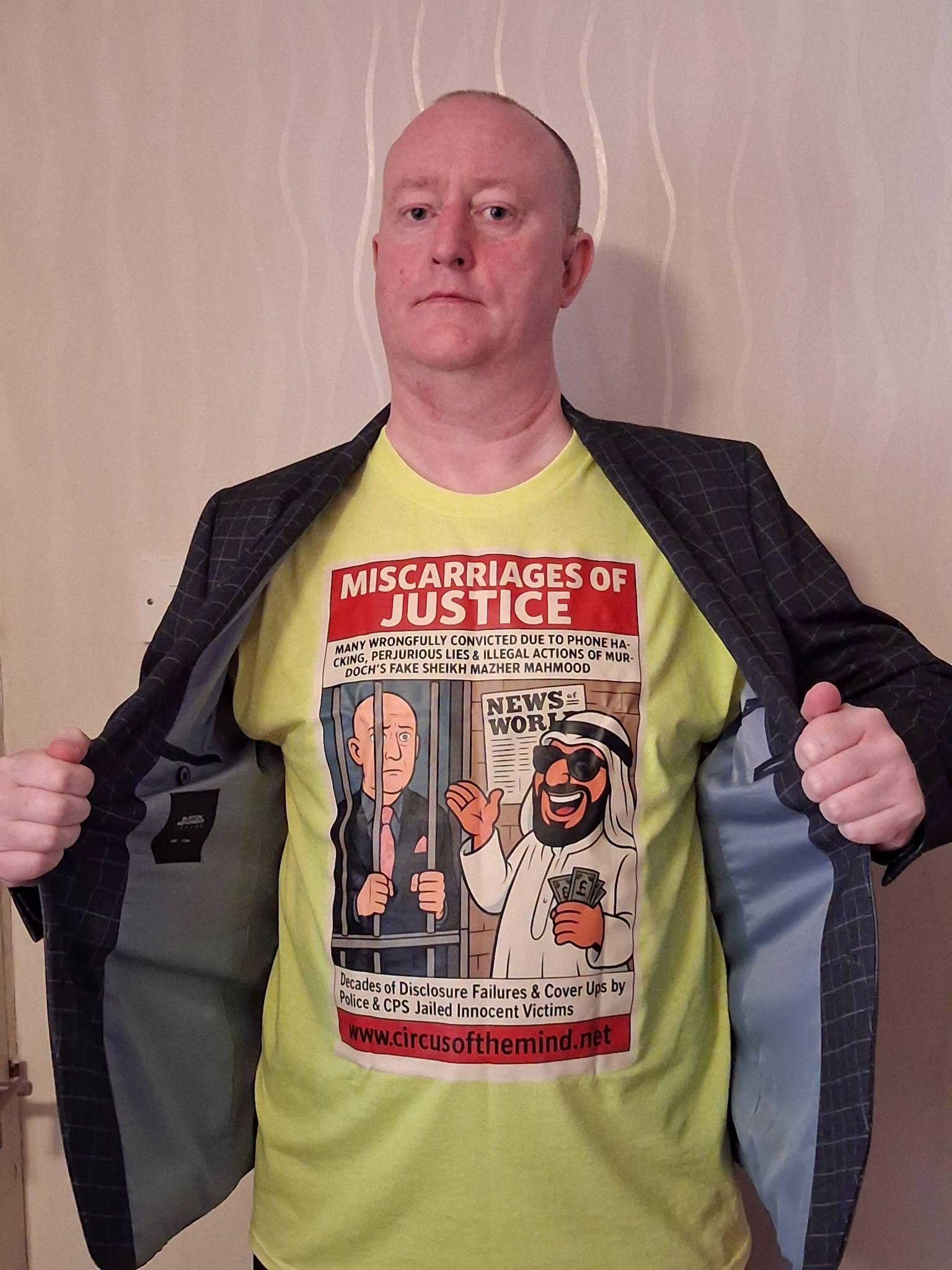
I am fast approaching 50 years as a variety entertainer.
I am also somebody who says that I have personally experienced the devastating consequences of media abuse, phone hacking, lies and what I believe were serious failures within the justice system.
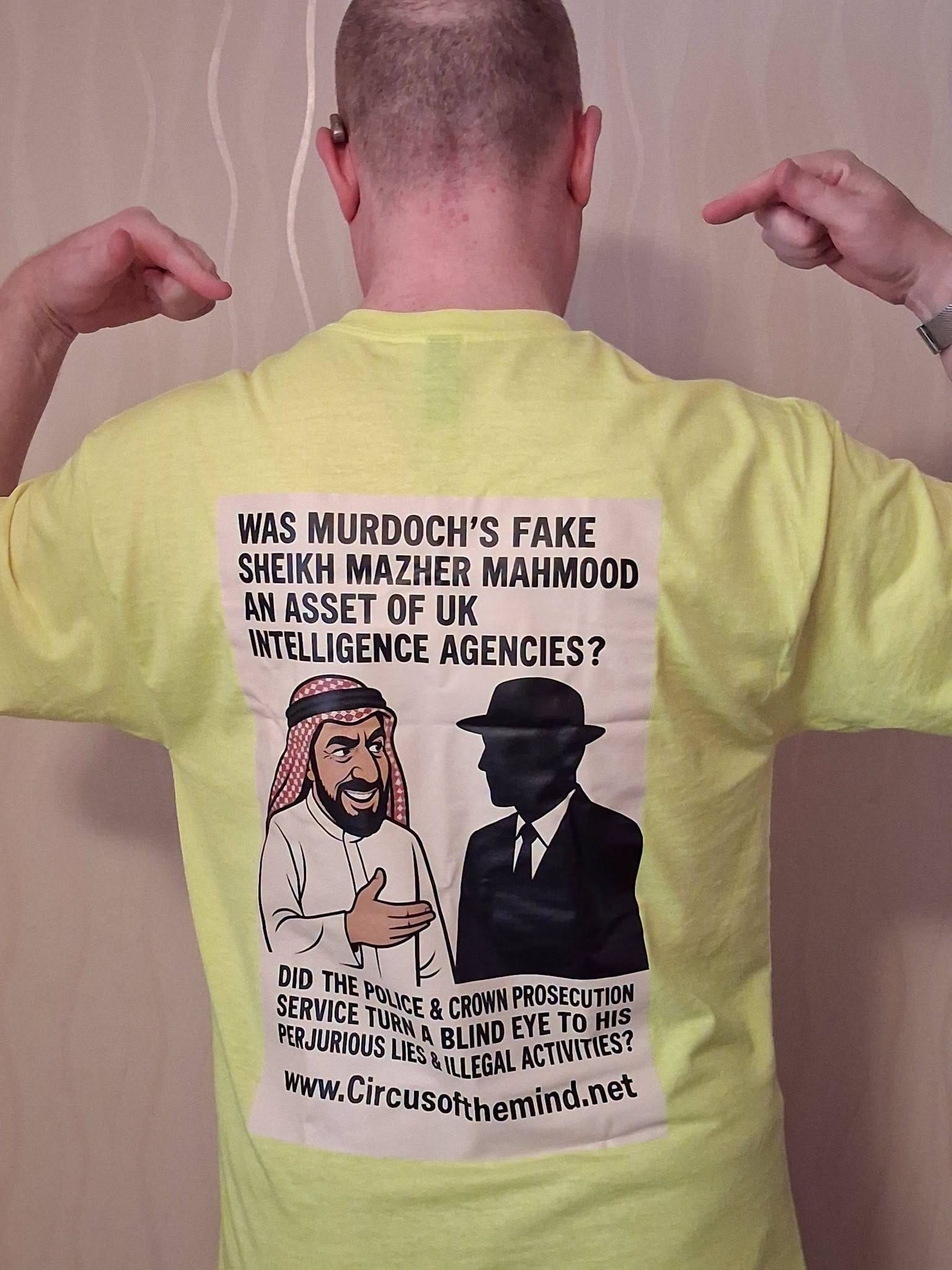
Perhaps that is why I found myself thinking during the evening:
We need the voices of victims.
We need campaigners.
We need lawyers.
We need journalists prepared to investigate wrongdoing.
We need politicians prepared to listen.
And, yes, we need good live entertainment and experienced event hosts who understand how to hold an audience together!
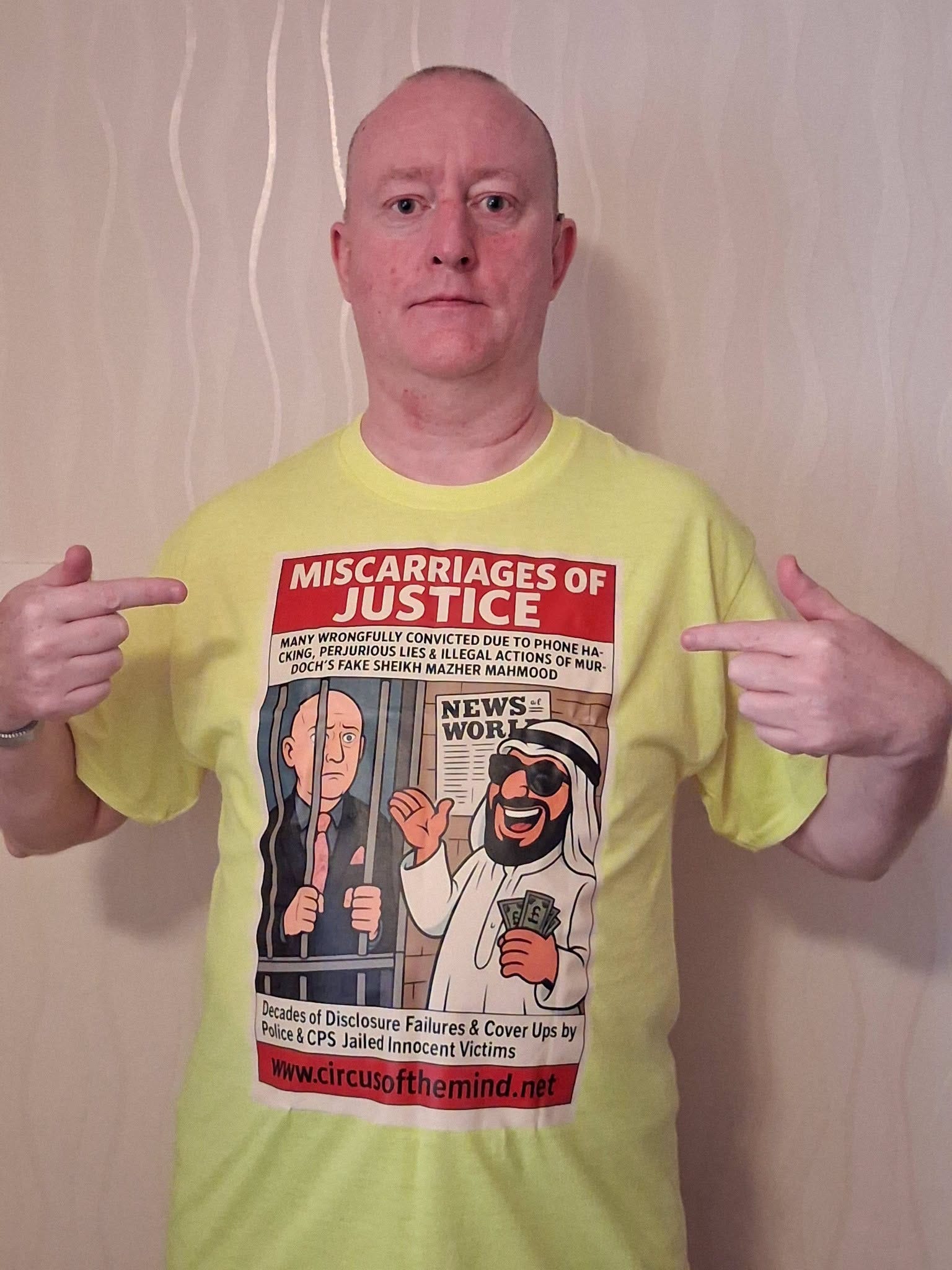
The Liverpool rally had all the ingredients for a powerful evening.
With a little more attention to the production and audience-management side of the event, I believe future rallies could make an even greater impact.
But the central message remains much more important than the mechanics of the evening.
The fight for justice continues.
And I intend to keep fighting.
Truth. Justice. Accountability.
That is what the journey from Rochdale to Liverpool was really about.

PLEASE SIGN THE PETITION SET UP BY TULISA CONTOSTAVLOS HERE
https://www.change.org/p/fix-the-press-we-all-deserve-a-media-we-can-trust