After years of hearing & seeing comments from people who frankly should have known better trying to criticise my Hypnosis Courses because they were not and are not accredited by The General Hypnotherapy Standards Council (GHSC) or the General Hypnotherapy Register (GHR) in 2017 I asked one of my colleagues The Late Susie Lawrence who was a massive fan of my work to certify me as a GHSC & GHR accredited Hypnotherapist.
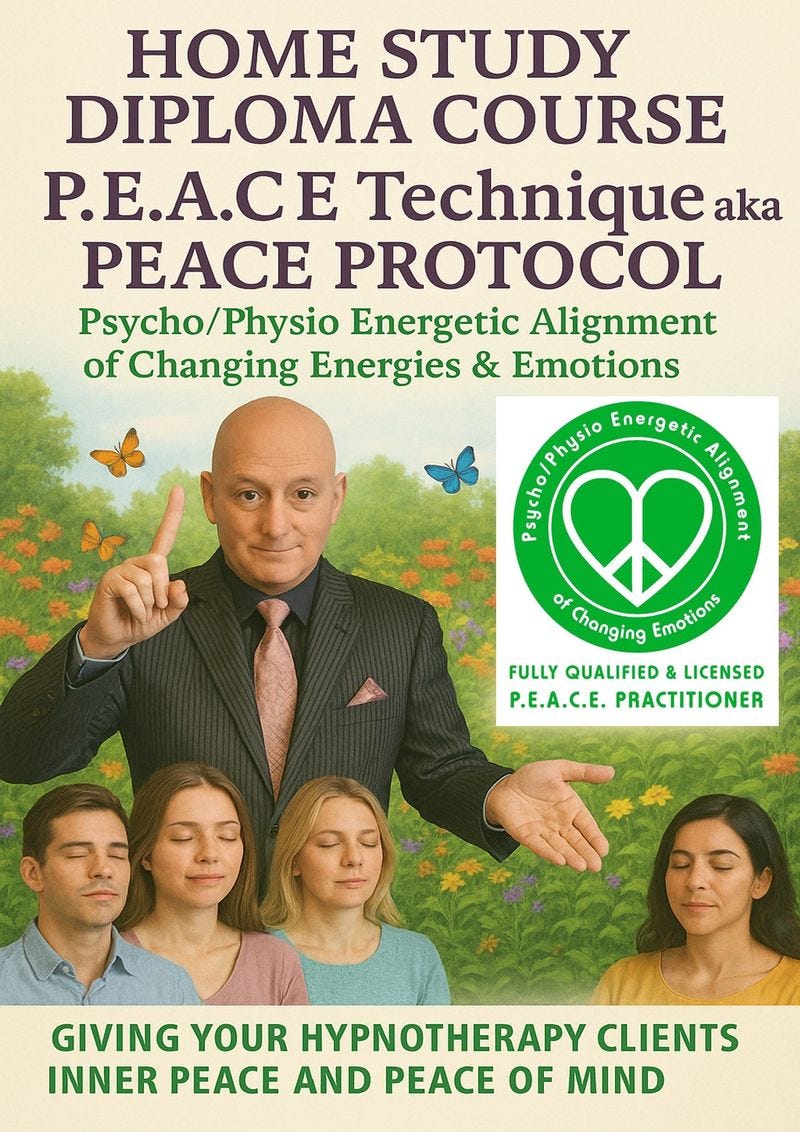
She attended my PEACE = Psycho/Physio Energetic Alignment of Changing Energies & Emotions course of which she stated:
“A truly fantastic weekend and I can honestly say this protocol is highly flexible, works outside the box, and is driven by the clients needs. This is something so very different folks, well recommended!"
SUSIE LAWRENCE
NOTE = Use discount code WIZARD to get 50% off at checkout
https://jonathanroyle.sellfy.store/p/mpjj/
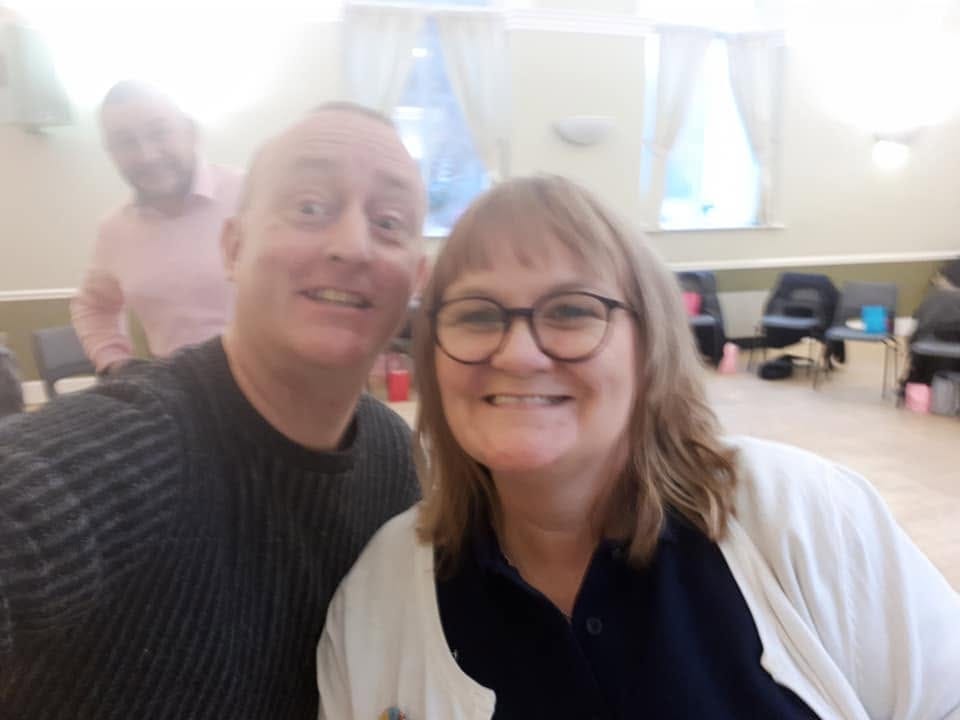
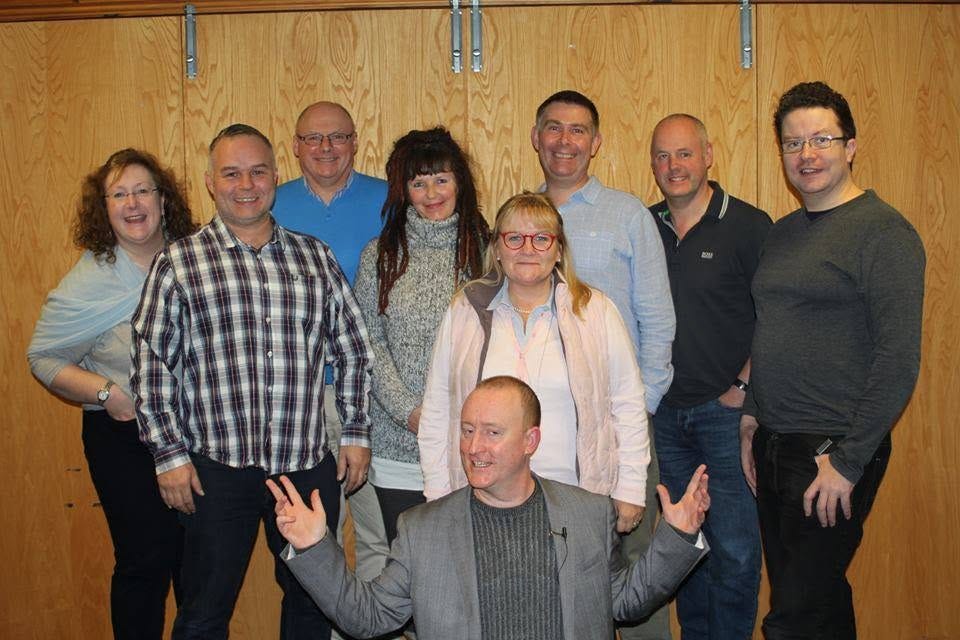
As pictured below Susie also attended my 2 day “Hypnotism Exposed” training at the end of 2017 after having already attended my “Royle Event” course in Birmingham a few months earlier, again she praised these and the various other live trainings of mine that she attended as well as positively praising my “Elite Hypnotherapy & NLP Hypnosis Bootcamp” as per the video below this picture
And here is the video interview I did with Susie Lawrence for my “Hypnosis Week” Podcast in 2020
As I say in 2017 she Certified me as a Hypnotherapist in my birth name of Alex William Smith with a GHSC & GHR accredited qualification as per:
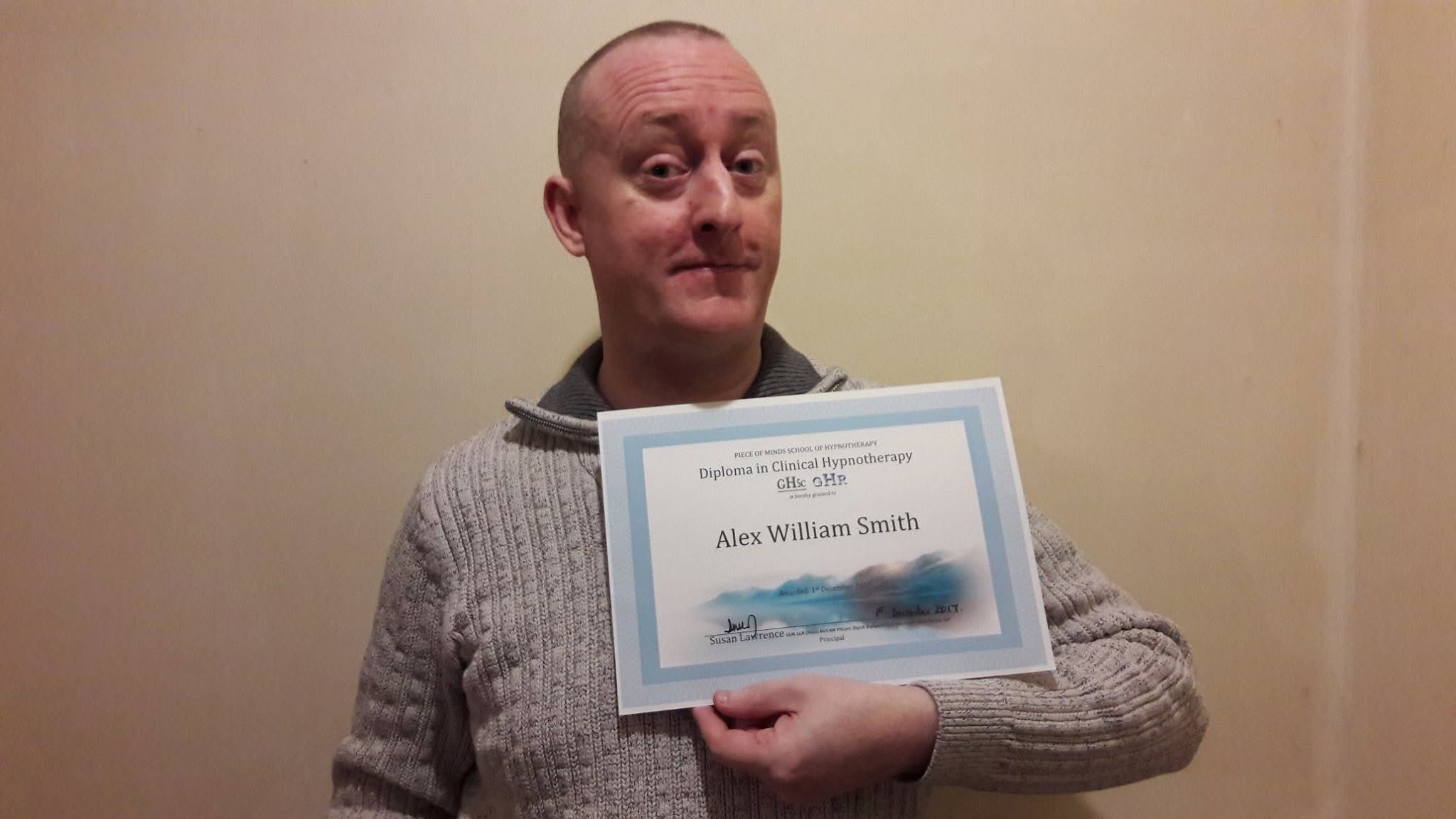
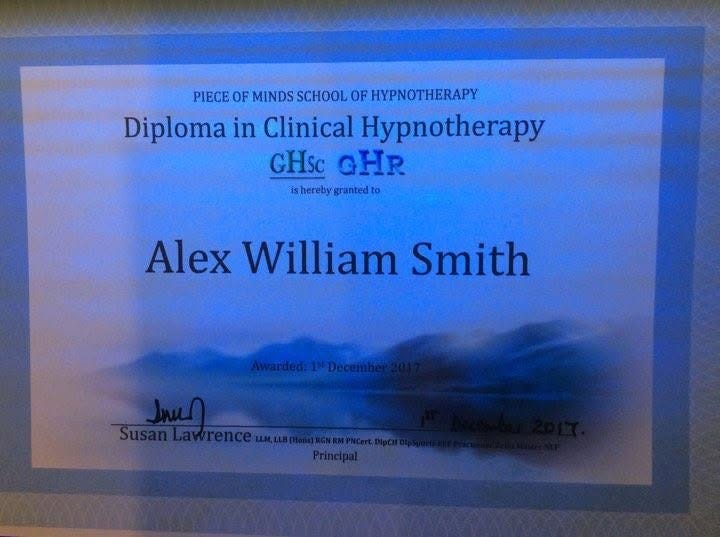
Ironically shortly after being awarded this by Susie on 1st December 2017 I discovered that I had already been Certified as a Hypnotherapist with a GHSC & GHR accredited diploma back in 2004 by my friend & colleague Raymond Roberts of Elestial Training.
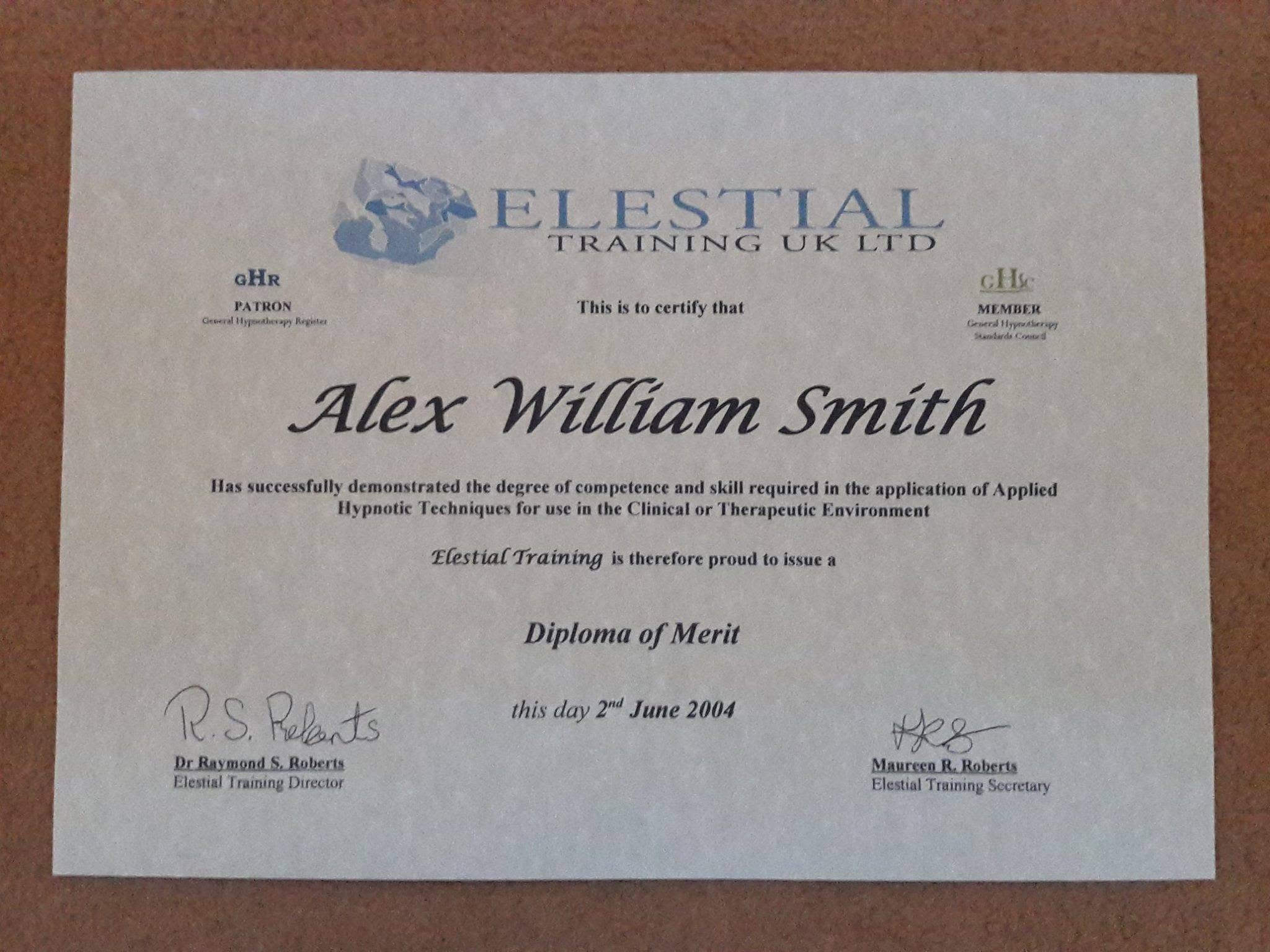
I had completely forgotten about this among the many Hypnosis, NLP & Mind Therapy related diplomas & qualifications that I have been awarded over the decades which together most likely mean I am arguably the World’s Most Qualified Hypnotist
as illustrated at this link:
https://www.facebook.com/media/set/?set=a.10157286044922806&type=3
It was also in 2017 to shut up those who said I should not be teaching others Neuro Linguistic Programming (NLP) without having been trained in it myself properly by someone who was a Licensed Trainer from one of the “big names” of NLP that I did exactly just that…
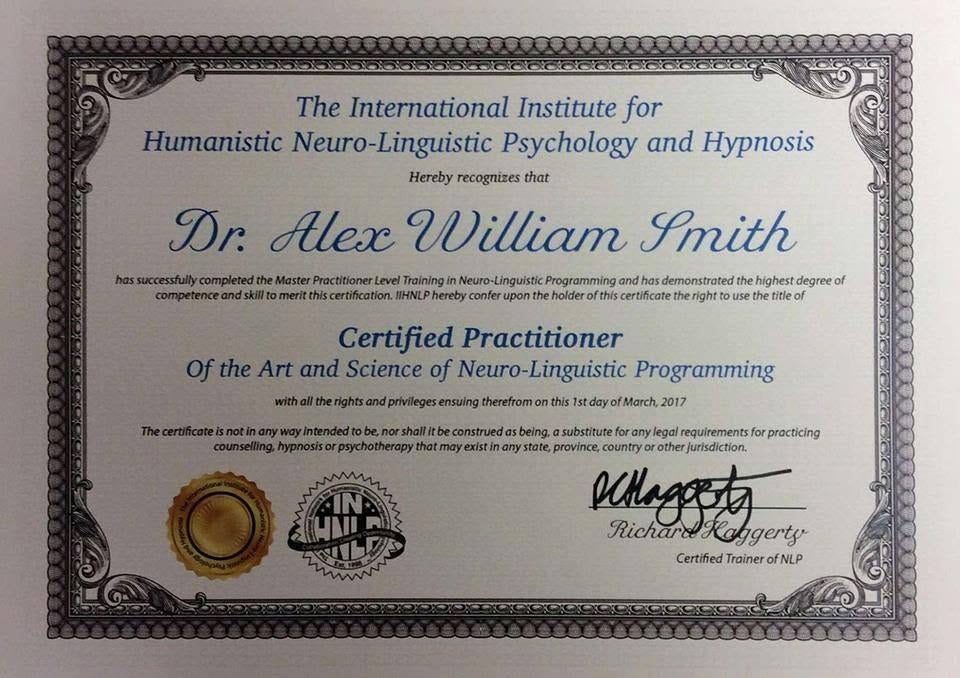
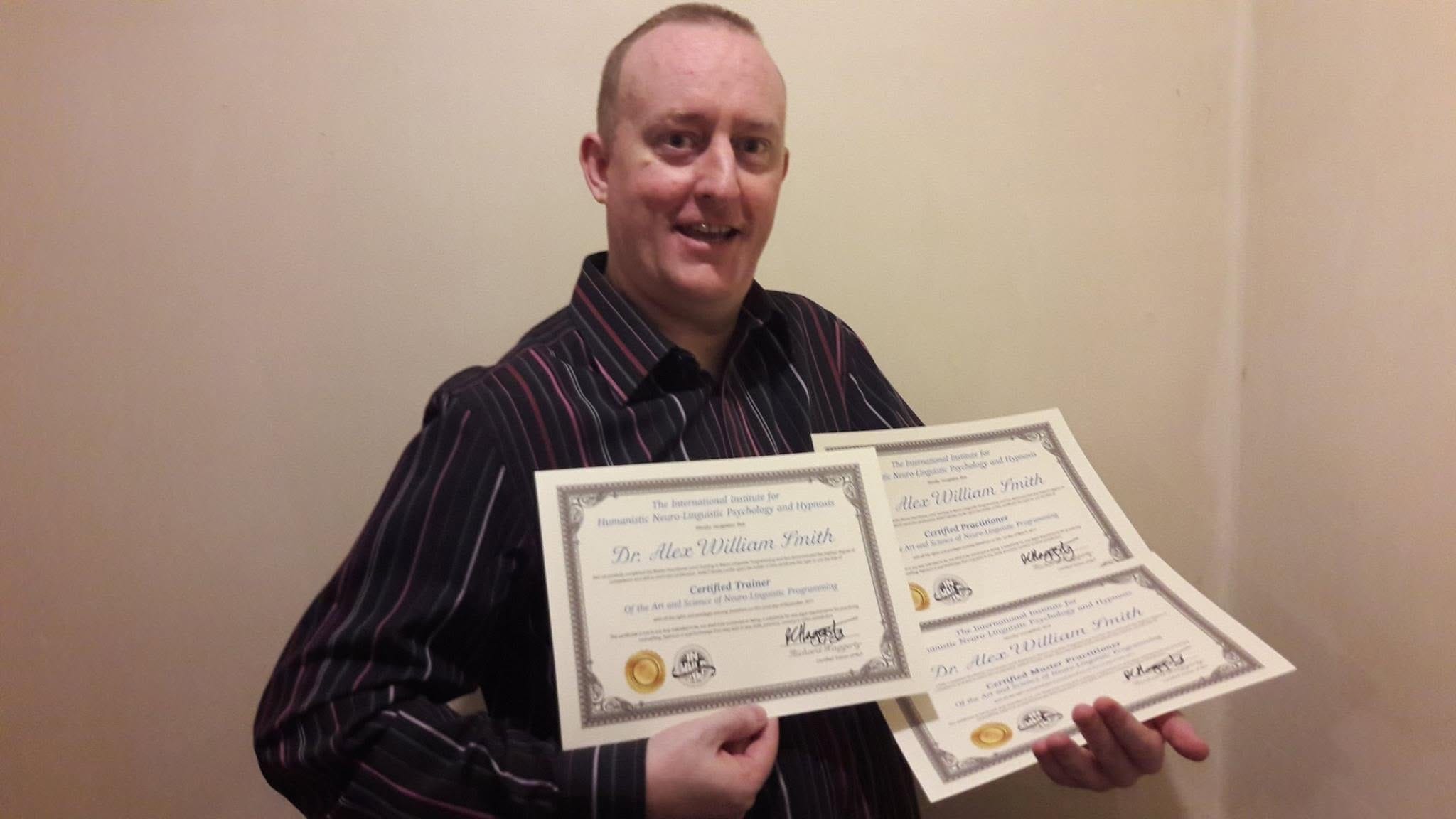
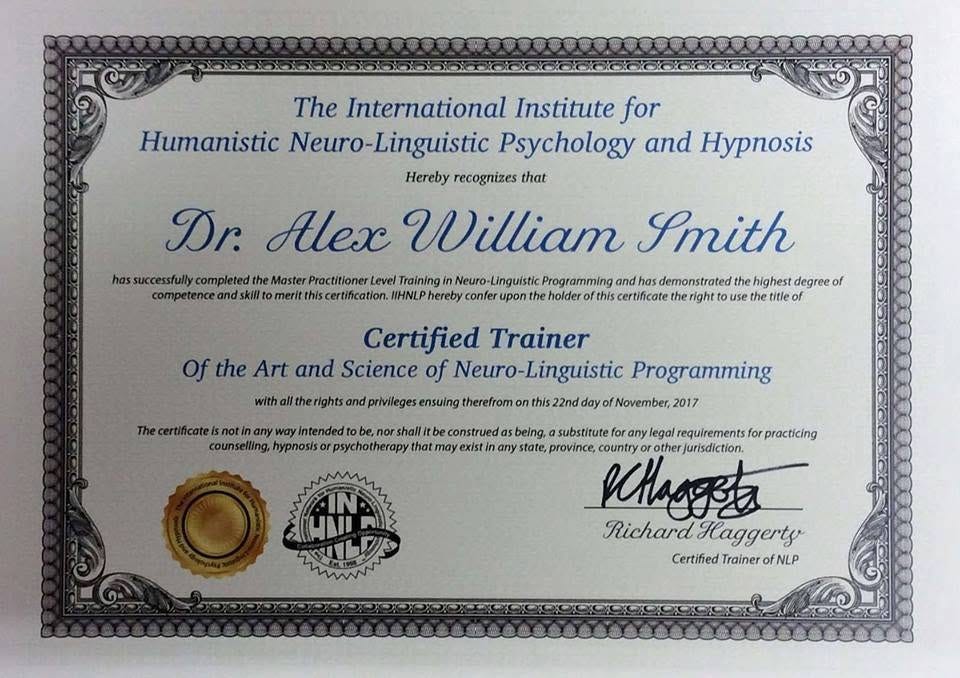
I got my friend, colleague and another big fan of my work Richard Haggerty to give me the “official” NLP training and to then certify me!
Richard is an extremely knowledgeable and experienced Mind Therapy Practitioner whilst also being a true Master Trainer Qualified by The International Institute of Humanistic Neuro-Linguistic Psychology and Hypnosis.
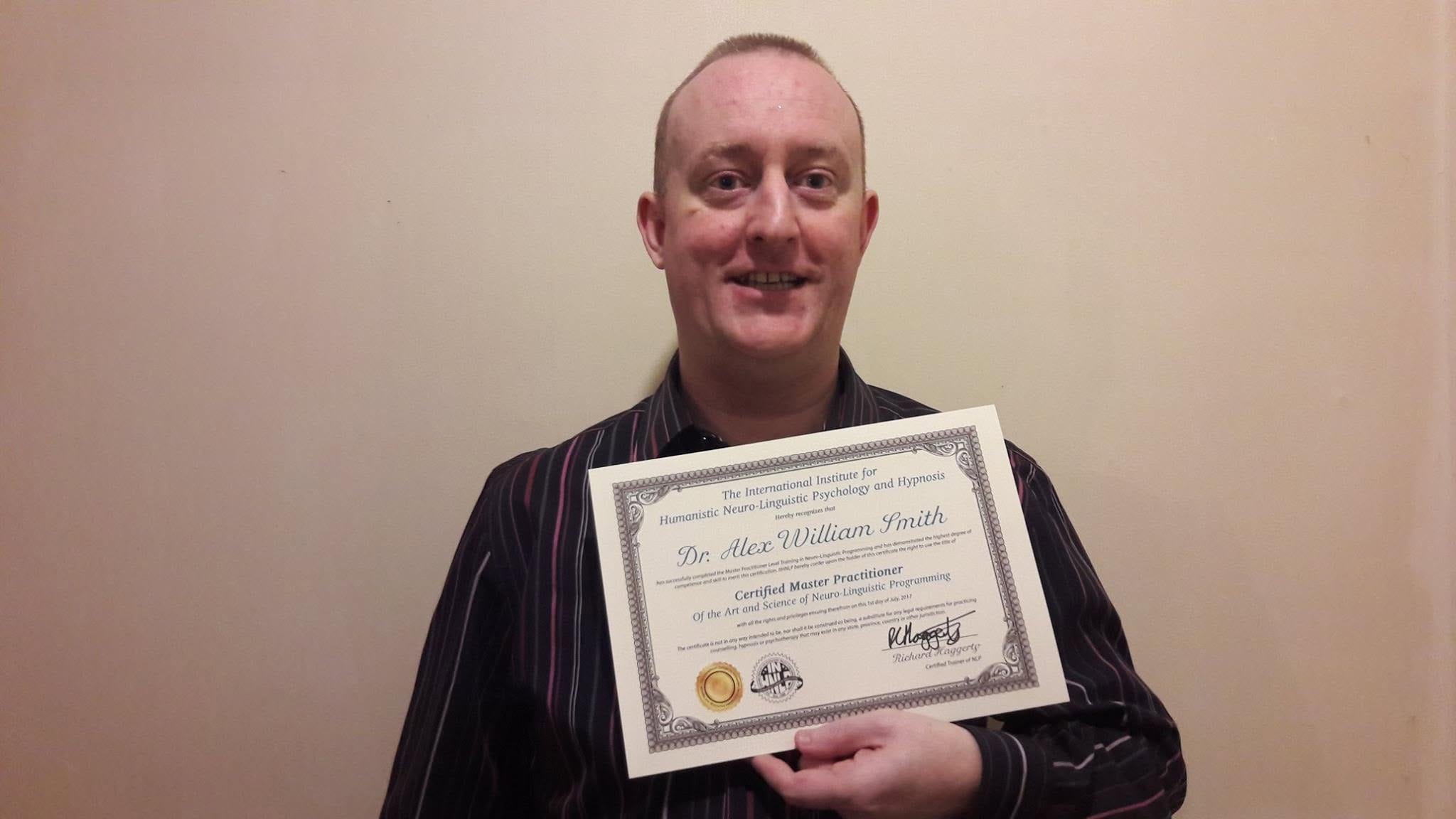
Certified independently by both founders of Neuro-Linguistic Programming (NLP), Richard Bandler and John Grinder, Richard has travelled internationally to continue seeking the best hypnosis training possible, including certification as a master hypnotist, life coach and NLP trainer by Master Trainers and authors of “Training Trances” John Overdurf and Julie Silverthorn in 2004. This included 2 years of private one to one mentoring with John Overdurf.
Here is the video of the time I interviewed Richard Haggerty for my “Hypnosis Week” Podcast
And here is Richard praising the contents of my “Elite Hypnotherapy & NLP Hypnosis” Bootcamp which is available with 50% off the usual price by using the discount code WIZARD at the checkout on this page:
https://www.magicalguru.com/elite-hypnotherapy-nlp-hypnosis-stage-hypnotism-bootcamp/
Incidentally within the Bootcamp Richard himself kindly shares his “28 Days to Hypnosis Success” training videos and also teaches you to become a Certified Practitioner in RICH = Rapid Instant Change Hypnosis which alone is worth many times the tiny investment of becoming a Lifetime Member of the Bootcamp which you can do with 50% off the usual price by using the discount code WIZARD at the checkout on this page:
https://www.magicalguru.com/elite-hypnotherapy-nlp-hypnosis-stage-hypnotism-bootcamp/
Why Real World Experience & Success, Practical Skills and Results Matter Far More Than Hypnotherapy Certificates & Accreditations by Glorified Boys Clubs
Discover the “Elite Hypnotherapy, Stage Hypnosis & NLP Hypnotism Bootcamp” which is by far the World’s Most Comprehensive & Best Value for money Diploma Course training package on the planet
If you want to become the best hypnotherapist, stage hypnotist or hypnosis practitioner you can possibly be, there is a lot more to consider than certificates, diplomas and professional association memberships.
In the world of hypnosis, there is a question that aspiring practitioners should be asking far more often:
What can the person training me actually teach me to do, and what real-world experience do they have doing it themselves?
After all, a beautifully printed diploma cannot, by itself, teach you how to establish rapport with a nervous client, deliver a compelling hypnotic induction, manage an unexpected response to hypnosis, confidently perform on stage, or adapt your approach when a technique doesn’t produce the result you anticipated.
Those are practical skills. They require knowledge, understanding, experience and training.
And it is precisely this distinction that makes the Elite Hypnotherapy, Stage Hypnosis & NLP Hypnotism Bootcamp worth investigating if you are serious about developing your hypnosis skills.
Discover the programme here:
https://www.magicalguru.com/elite-hypnotherapy-nlp-hypnosis-stage-hypnotism-bootcamp/
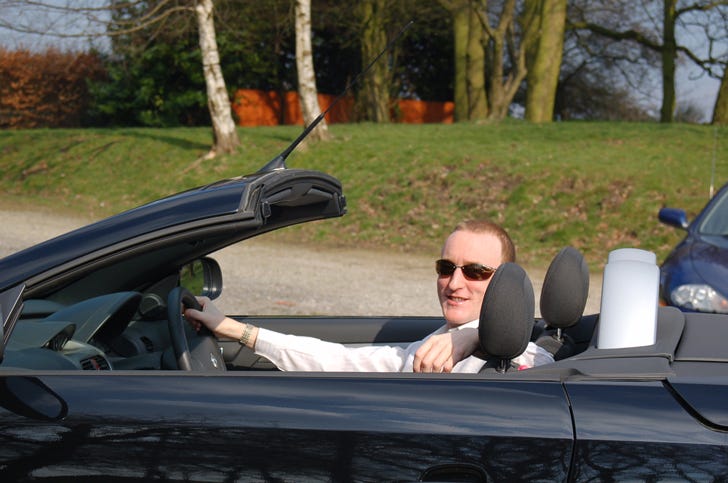
My journey through hypnosis qualifications
I have been a professional hypnotherapist since 1989, a stage hypnotist since 1990, and a hypnosis trainer since late 1993.
That means my journey into hypnosis, hypnotic communication, entertaining audiences and teaching others began long before I undertook some of the formal qualifications that people today might expect to see on a practitioner’s CV.
In 2017, I decided to undertake a hypnotherapy diploma course with the late Susie Lawrence of Piece of Minds Hypnotherapy.
Susie was a tremendous supporter of my courses, and she awarded me a qualification accredited by the General Hypnotherapy Standards Council (GHSC) and the General Hypnotherapy Register (GHR).
There was an irony to the whole experience.
I subsequently discovered that I had already been awarded a qualification with GHSC and GHR accreditation back in 2004 by my colleague Raymond Roberts of Elestial Hypnotherapy in Wales.
In other words, I had obtained the relevant qualification years earlier without even realising that I already possessed it.
That same year, 2017, I also trained with another colleague and supporter of my courses, Richard Haggerty, to earn my Practitioner, Master Practitioner and Trainer of Trainers certifications in Neuro-Linguistic Programming (NLP).
These certifications were accredited by the International Institute of Humanistic Neuro-Linguistic Psychology and Hypnosis, founded by John Overdurf.
Why did I undertake this additional training after already spending decades working professionally in hypnosis?
Part of my motivation was to address criticism from people online who argued that, because I did not possess the particular qualifications they expected, the courses I was teaching could not possibly be any good.
I wanted to remove that particular argument from the conversation.
But the experience also reinforced an important point: the possession of a qualification and the possession of extensive practical experience are two different things.
They can complement one another, but they should never automatically be treated as interchangeable.
Does a hypnotherapist legally need a particular diploma or association membership?
This is where things become particularly interesting.
In England (and some other areas of the world) hypnotherapy is not a profession subject to statutory regulation in the same way as professions such as medicine.
In an answer published by the UK Parliament on 23 April 2024, the Government confirmed that hypnotherapists and psychotherapists were not statutorily regulated and that there were no current plans to introduce statutory regulation for either profession at that time. The Government also explained that voluntary registers provide a means of assurance for professions that are not statutorily regulated.
Source: https://questions-statements.parliament.uk/written-questions/detail/2024-04-19/22768
This distinction matters.
There is no general statutory requirement in England for every hypnotherapist to hold one particular hypnotherapy diploma or belong to one particular hypnotherapy association simply to practise under that description.
However, that does not mean there are no professional standards, legal responsibilities or other requirements to consider.
Insurance conditions, the nature of the services offered, advertising rules, safeguarding obligations and other applicable laws can all be relevant. Different circumstances and jurisdictions may also have different requirements.
It is equally important to distinguish between an organisation that accredits a training course, an organisation that maintains a voluntary professional register, and a statutory regulator established under legislation. These are not necessarily the same thing.
Voluntary professional registration can provide useful safeguards, including ethical requirements, complaints procedures and standards of practice. Some registers are accredited by the Professional Standards Authority, which assesses registers against defined standards.
That accreditation can be meaningful. It should simply be understood for what it is rather than confused with a government-issued licence to practise.
The sensible approach is to investigate what a qualification or membership actually represents.
What was taught?
How was competence assessed?
What professional standards apply?
What happens if a complaint is made?
Does the organisation provide meaningful accountability?
These are much more useful questions than merely asking how impressive a certificate looks.
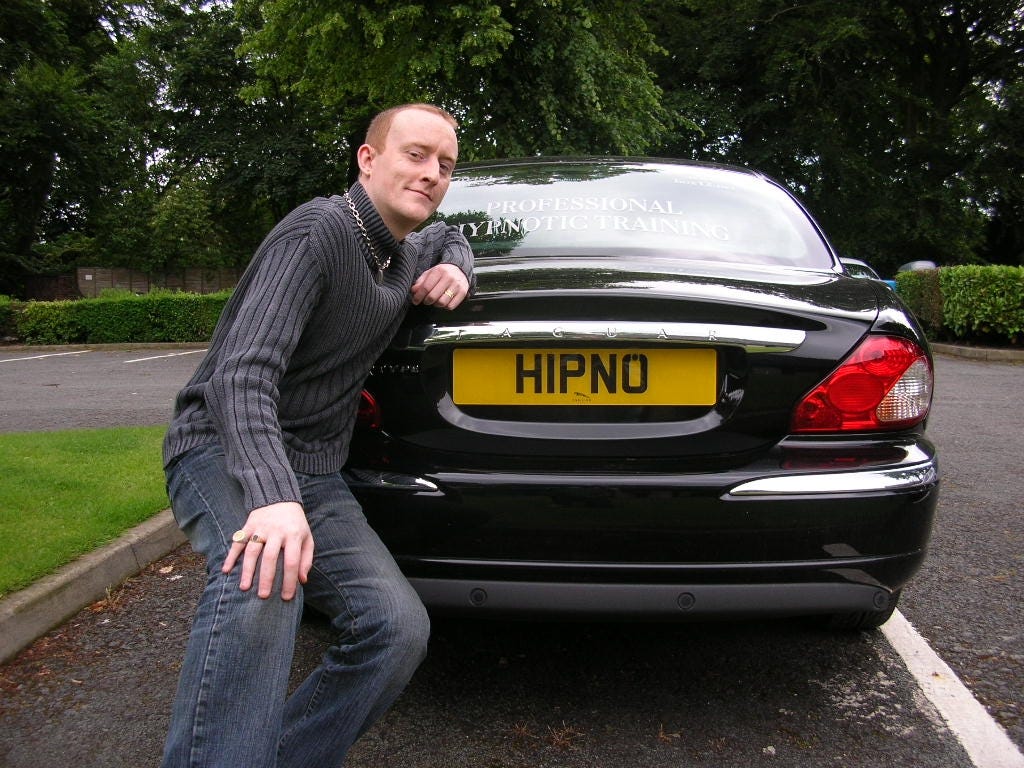
Certificates can open doors, but they cannot replace competence
Let’s be fair about qualifications.
A good training programme can provide a structured learning pathway, introduce important theory, teach practical techniques, identify ethical boundaries and help students develop their professional competence.
A well-designed assessment can also help establish whether a student has understood and can apply what they have learned.
But a certificate is evidence of a particular educational achievement. It is not, by itself, proof that its holder is an outstanding practitioner.
Two people can possess apparently similar qualifications and have dramatically different levels of experience, confidence, communication ability and practical skill.
One might have spent years working with clients, refining techniques, learning from mistakes and developing the ability to adapt to different people.
Another might have completed a course but have relatively little experience applying what they learned.
Their certificates may look equally impressive. Their practical abilities may not be equal.
This is why aspiring practitioners should look beyond the paperwork when deciding whom to learn from.
Investigate the trainer’s professional history.
Look at their practical demonstrations, teaching methods, experience, reputation and willingness to explain not only what they do but why they do it.
And remember that experience alone is not a guarantee of excellence either.
A good trainer should be able to explain their methods, demonstrate relevant skills, recognise limitations and teach students to work responsibly.
An excellent trainer should have testimonials galore from past students of their courses and proof galore that their past students have been able to build their own successful Hypnosis businesses as a result of what they studied with that trainer
The objective is not to choose between qualifications and experience.
It is to seek the best combination of knowledge, practical ability, ethical standards and demonstrable teaching skill.
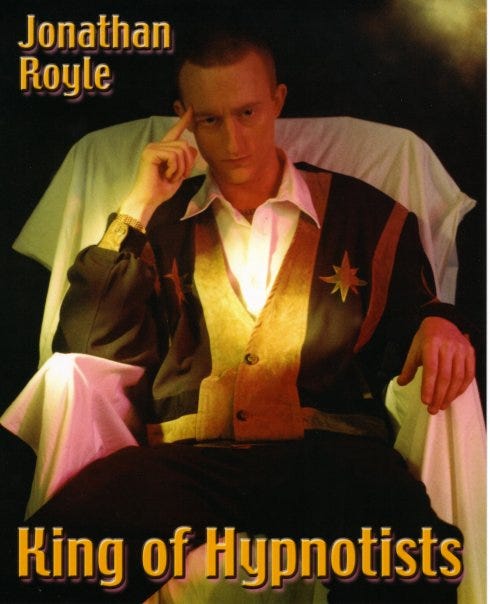
The psychology of credibility, belief and expectancy
There is another important aspect of hypnosis that deserves attention: the influence of expectations.
When clients enter a hypnotherapy session, they arrive with beliefs about hypnosis, assumptions about the practitioner, expectations about what may happen and varying degrees of confidence in the process.
The same applies to students choosing a hypnosis trainer.
A professional presentation, a well-designed website, testimonials, appropriate credentials and an organised training programme can all influence the expectations people bring to an experience.
Psychological research supports the general principle that expectations can influence treatment outcomes.
For example, a meta-analysis published in the Journal of Clinical Psychology examined 46 independent samples involving 8,016 patients. It found a small but statistically significant association between positive pre-treatment or early-treatment expectations and better subsequent psychotherapy outcomes.
Research review: https://pubmed.ncbi.nlm.nih.gov/21128304/
This is relevant to hypnotherapy because the context in which an intervention is delivered can influence how people interpret and respond to their experience.
However, it is important to be precise about what this means.
The placebo effect is not a magical explanation for every successful outcome, nor does the research establish that certificates alone produce therapeutic change.
Expectations are one factor among several, and the effects of expectations vary between people and circumstances.
Therapeutic relationships, communication, the techniques used, client engagement, individual differences and the suitability of the intervention can all matter.
Nevertheless, the psychology of expectations helps explain why credibility and presentation can influence the way people approach a service.
A client who feels confident in their practitioner may arrive more willing to engage with the process. A prospective student who sees a clear, professional presentation may be more inclined to investigate a course.
That is why branding, professional presentation and appropriate credentials can be useful marketing tools.
They can help communicate credibility and provide reassurance.
But they should support genuine competence rather than substitute for it.
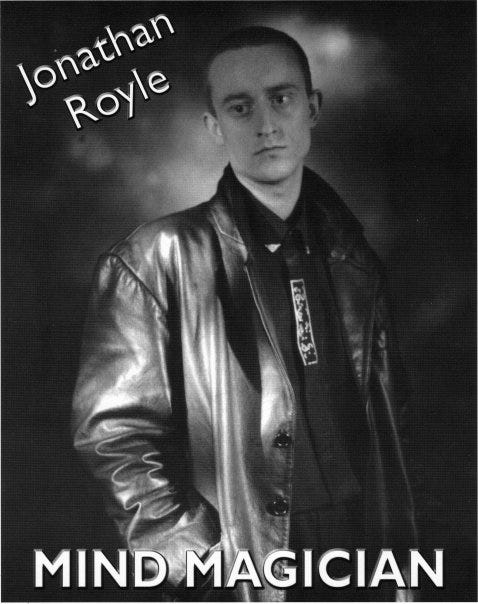
Why I include so many qualifications in my Elite Hypnotherapy & NLP Hypnosis Bootcamp
One of the distinctive features of my Elite Hypnotherapy, Stage Hypnosis & NLP Hypnotism Bootcamp is the range of qualifications available through the programme.
The Bootcamp offers more than 30 accredited qualifications, according to the programme’s advertised offering, with professionally designed qualification diplomas and logos intended to provide students with professional branding assets they can use in promoting their services, subject to the applicable terms and rules.
These credentials can help students present their training and professional development to prospective clients.
They can also provide a structured way to recognise different areas of learning and achievement.
For someone building a hypnosis business, appropriate qualifications and professional presentation can be useful additions to a website, promotional materials and professional profile.
But I would encourage every prospective student to look at the bigger picture.
Do not choose a training programme simply because it promises a long list of certificates.
Ask what you will actually learn, how the material is taught, what practical skills you will develop and how the programme fits your ambitions.
A collection of certificates is only genuinely valuable when the learning behind those certificates has value.
The real objective should be to become a more capable practitioner, a more confident performer or a more effective trainer, not merely to accumulate pieces of paper.
Why professional logos and branding matter
Let’s not pretend that presentation is irrelevant.
When people look for a hypnotherapist, stage hypnotist or hypnosis trainer, they often make an initial judgement before they have met the person or experienced their work.
They may examine a website, read a biography, look at testimonials, compare qualifications or assess the overall professionalism of the presentation.
The same is true when prospective students compare training courses.
A clear, consistent professional identity can make it easier for people to understand what a practitioner offers and what training they have undertaken.
This is one reason professional qualification logos can be useful.
They provide visual assets that can help communicate educational achievements and support a coherent brand.
Within my Bootcamp, these professionally designed logos are part of the wider package of qualifications and promotional resources offered.
Used honestly, they can help students communicate their training and establish a recognisable professional identity.
There is, however, an important distinction between presenting a credential professionally and misleading people about what it proves.
A logo should represent a genuine qualification or membership, be used in accordance with the issuing organisation’s rules, and never imply statutory approval or endorsement that does not exist.
Good marketing builds confidence by presenting relevant information clearly. It should not depend on making exaggerated promises or creating a false impression.
Professional associations: what are you actually getting?
Another consideration is professional association membership.
Some practitioners place considerable emphasis on the organisations to which they belong. Membership can be useful when it provides meaningful professional standards, continuing development, insurance benefits, ethical guidance, peer support or an effective complaints process.
Other memberships may offer different benefits, so it is worth examining what each organisation actually provides.
The key question is simple:
What tangible value does this membership offer to you and your clients?
Is there a meaningful code of ethics?
Are there requirements for training or continued professional development?
Is there a proper complaints procedure?
Does the organisation assess its members against published criteria?
Does the membership provide something you genuinely need?
An annual membership fee is not automatically a mark of excellence, just as an impressive membership badge is not automatically proof of superior practical ability.
At the same time, it would be wrong to dismiss every professional association as a glorified club. Some provide worthwhile safeguards and professional support.
The sensible position is to judge each organisation by its standards, services and accountability rather than by its name alone.
This is also the thinking behind the Bootcamp’s advertised offer of free lifetime membership of various associations, including the United Kingdom Board of Clinical Hypnotherapy (UKBCH) and the Association of Complete Mind Therapists (ACMT), among others.
The exact terms, eligibility and benefits of each membership should be checked as part of your evaluation of the programme.
For students, the potential advantage is access to additional professional affiliations without having to approach every organisation independently and pay recurring fees for those particular memberships, where the lifetime offer applies.
As always, check what each membership entails and whether it meets your professional needs.
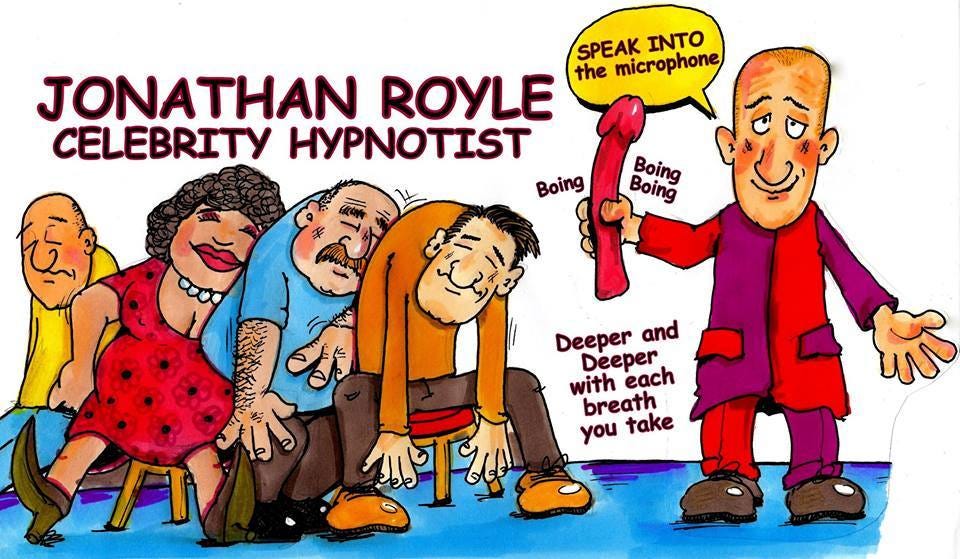
The difference between learning hypnotherapy and learning stage hypnosis
It is also important to recognise that hypnosis is not a single professional activity.
Someone who wants to work with individual clients in a therapeutic setting has different objectives from someone who wants to entertain an audience through stage hypnosis.
A hypnotherapist needs to develop appropriate communication skills, understand client needs, establish boundaries, select suitable interventions and recognise when a client requires support beyond their competence.
A stage hypnotist needs to understand performance, audience engagement, volunteer selection, clear instructions, pacing, showmanship and the management of a live environment.
Both need to understand hypnotic responses, but the contexts in which they use their skills differ substantially.
An aspiring NLP practitioner or trainer has additional considerations, including how to explain techniques, structure demonstrations, communicate clearly and help students transfer what they learn into practice.
That is why your choice of training should reflect what you actually want to do.
Do you want to become a hypnotherapist?
A stage hypnotist?
An NLP practitioner?
A hypnosis trainer?
Or do you want to develop skills across several of these areas?
If you have broader ambitions, a programme that brings together multiple areas of hypnosis training may be worth investigating.
The important thing is to examine the actual curriculum, the depth of training in each area and the opportunities to develop the skills you need.
For stage hypnosis in particular, remember that legal and practical requirements matter. In England, Scotland and Wales, a permit is required for public performances of hypnotism for entertainment purposes, subject to the applicable exemptions and conditions.
Official guidance: https://www.gov.uk/find-licences/hypnotism-permit-england-scotland-and-wales
Professional competence includes knowing how to perform effectively and how to operate within the relevant rules.
Why practical experience should be high on your checklist
If you are considering investing time and money in becoming a hypnosis professional, I recommend looking at several factors before making your decision.
1. The trainer’s real-world experience
How long have they been practising? What have they actually done? Can they demonstrate the skills they teach? Is their experience relevant to your intended area of work?
2. The quality of the teaching
Can they explain complex concepts clearly? Do they demonstrate techniques in a way that students can understand? Is there an opportunity to practise and receive constructive feedback?
3. The breadth and depth of the curriculum
Does the training cover the areas you want to develop? Is it merely a collection of introductory techniques, or does it provide a coherent learning pathway?
4. The credibility of the qualifications
Who issues the qualifications? What does any claimed accreditation mean? Is competence assessed? Are the credentials accurately described?
5. Professional responsibility
Does the training address ethics, informed consent, appropriate boundaries, client welfare and relevant legal obligations?
6. The business side of becoming a practitioner
Does the programme help you understand how to communicate your services, present your professional identity and attract appropriate clients without relying on exaggerated claims?
7. The value of the overall package
Consider the teaching, resources, qualifications, membership benefits and ongoing support that are actually included. Compare these with your own goals and budget.
This approach allows you to make a more informed decision than simply counting certificates or comparing membership badges.
It also helps you identify a trainer whose experience and teaching style suit your needs.
Is the Elite Hypnotherapy, Stage Hypnosis & NLP Hypnotism Bootcamp right for you?
If you want to develop your skills in hypnotherapy, stage hypnosis, NLP and related areas of hypnotic practice, the Elite Hypnotherapy, Stage Hypnosis & NLP Hypnotism Bootcamp is a programme worth exploring.
My professional background spans several decades of hypnotherapy, stage hypnosis and hypnosis training, and my approach reflects the importance I place on practical experience alongside formal learning.
The Bootcamp brings together a broad range of qualifications, professional presentation resources and advertised association membership benefits in one programme.
For someone who wants to explore multiple areas of hypnosis rather than follow a single narrow training pathway, that combination may be particularly appealing.
However, you should always examine the programme’s current curriculum, qualification details, accreditation arrangements, membership terms and any additional costs before enrolling. Make sure the content matches your own professional objectives.
Do not take my word for anything simply because I have been doing this for a long time.
Investigate the programme. Ask questions. Look at the details. Decide whether it offers the training and resources you need.
That is precisely the sort of informed decision-making I encourage prospective students to use.
Final thoughts: choose your training for the right reasons
The hypnosis profession benefits when practitioners take their development seriously.
Formal qualifications can be valuable. Professional associations can provide useful support and accountability. Credible branding can help communicate a practitioner’s training and services.
But none of these should distract from the fundamental objective: becoming competent at what you do.
If you want to become a good hypnotherapist, learn how to work responsibly and effectively with clients.
If you want to become a good stage hypnotist, develop your performance skills and learn how to manage a live show safely and professionally.
If you want to become a good NLP practitioner or trainer, develop your understanding, your communication and your ability to teach and apply the material.
And whatever direction you choose, look for trainers who can offer more than impressive certificates.
Look for relevant experience, practical demonstrations, sound teaching, meaningful feedback and a serious commitment to professional development.
Your qualifications should support your abilities, not become a substitute for them.
If you want to investigate a programme that brings together hypnotherapy, stage hypnosis, NLP, qualifications and professional resources, take a closer look at:
Elite Hypnotherapy, Stage Hypnosis & NLP Hypnotism Bootcamp
Discover the programme, examine what is included and decide whether it fits your ambitions.
Visit the official Bootcamp page here:
https://www.magicalguru.com/elite-hypnotherapy-nlp-hypnosis-stage-hypnotism-bootcamp/
Your future as a hypnosis professional should be built on what you know, what you can do, how responsibly you work and how effectively you continue to develop—not simply on the number of certificates hanging on your wall.
Also check out these video testimonials from some of my past delighted students
If you have not already made the intelligent decision to join us today then be sure to check out these comments from some more of our past delighted students with those at the links below representing just a tiny sample of the many thousand’s & thousands of similar testimonials & course reviews we hold on file in our offices from people like yourself located all around the world
Firstly Be sure to check out all of 316 Course Reviews (and growing) located in the comments & replies section below this post on Facebook
https://www.facebook.com/alexthehypnotist/posts/10161727836587806
Next Check out These Video Testimonials about our Courses
https://www.youtube.com/playlist?list=PLDhI8Pk4O_4AZwj-YL-EIzmQBDnO6C4Wz
Then also check out all the Positive Testimonials contained in the image album on Facebook at this link
https://www.facebook.com/media/set/?set=a.102154582303265&type=3
(You can also see that Album above by going to my Facebook page of https://www.facebook.com/elitehypnotherapybootcamp/ and then clicking on MORE then on PHOTOS and then looking at the ALBUM entitled Hypnosis Training Testimonials A.)

And also check out all the blog pages below where evidence of my extensive and unrivalled real world experience and success in all areas of Hypnosis & the Allied Arts is presented for your consideration

CONFESSIONS OF THE WORLD'S MOST CONTROVERSIAL COMEDY STAGE HYPNOTIST

SOME HIGHLIGHTS OF MY COMEDY STAGE HYPNOSIS SHOWS

WHEN YOU WANT TO LEARN THE TRUE SECRETS OF HYPNOSIS FROM A
GROUP OF EXCEPTIONALLY TALENTED & SUCCESSFUL PEOPLE VISIT
https://www.magicalguru.com/elite-hypnotherapy-nlp-hypnosis-stage-hypnotism-bootcamp/
RESUME FOR MIND MAGICIAN ALEX SMITH aka CELEBRITY HYPNOTIST JONATHAN ROYLE – UPDATED 22nd APRIL 2026

RESUME FOR MIND MAGICIAN ALEX SMITH aka CELEBRITY HYPNOTIST JONATHAN ROYLE – UPDATED 22nd APRIL 2026
From Britain’s Youngest Paid Circus Clown & Variety Entertainer to Child Magical Performer then Europe’s Youngest Professional Psychic Entertainer & Stage Hypnotist - PART ONE

Born Plain Alex William Smith on 13th August 1975 into a Showbiz Family whilst travelling with Gandey’s Circus.
From Britain’s Youngest Paid Circus Clown & Variety Entertainer to Child Magical Performer then Europe’s Youngest Professional Psychic Entertainer & Stage Hypnotist - PART TWO

During the Covid-19 Pandemic when we were all forced to stay at home, in order to pass the time I started my “Hypnosis Week” podcast and as a result have interviewed some of the biggest names in the Stage Hypnosis, Hypnotherapy, Self-Help, Magic, Mentalism & Related Industries.
WHEN YOU WANT TO LEARN THE TRUE SECRETS OF HYPNOSIS FROM A
GROUP OF EXCEPTIONALLY TALENTED & SUCCESSFUL PEOPLE VISIT
https://www.magicalguru.com/elite-hypnotherapy-nlp-hypnosis-stage-hypnotism-bootcamp/
ROYLE HYPNOTIST & MIND MAGICIAN IN PRINT & ON THE BIG SCREEN

USA Today where he had a therapeutic encounter with Robert De Niro and Billy Crystal to help promote the launch of their film Analyse that.
MK-ULTRA EXPOSED = Royle Hypnotist Reveals How People Can Be Hypnotized & Brainwashed to become Assassin's, How Child Sexual Abuse & Trauma Based Mind Control is used to Control People & Events

MK-Ultra: Origins, Objectives, and Lasting Controversy

WHEN YOU WANT TO LEARN THE TRUE SECRETS OF HYPNOSIS FROM A
GROUP OF EXCEPTIONALLY TALENTED & SUCCESSFUL PEOPLE VISIT
https://www.magicalguru.com/elite-hypnotherapy-nlp-hypnosis-stage-hypnotism-bootcamp/
Psychic Secrets Exposed = Examining Manchester Mind Magician & Hypnotist Jonathan Royle's former career as a "Genuine" Clairvoyant

PSYCHIC NEWS PROMOTED ME AS THE “REAL DEAL” IN EARLY 1991
MIND MIRACLES = REAL WORLD MENTALISM & MIND READING SECRETS

Mind Miracles: Real World Mentalism & Mind Reading Secrets
WHEN YOU WANT TO LEARN THE TRUE SECRETS OF HYPNOSIS FROM A
GROUP OF EXCEPTIONALLY TALENTED & SUCCESSFUL PEOPLE VISIT
https://www.magicalguru.com/elite-hypnotherapy-nlp-hypnosis-stage-hypnotism-bootcamp/